India’s strategic autonomy offers Europe a blueprint for resilience, balance and sovereignty as economic pressure, geopolitical rivalry and unreliable alliances redefine the global order.
In an era marked by fractured alliances, economic coercion and sharpening great-power rivalry, India’s insistence on strategic autonomy is no longer just a national preference. It is increasingly a case study with direct relevance for Europe’s own struggle to retain political and economic sovereignty.
India in 2025 is not seeking to lead the global order or replace existing power centres. Instead, New Delhi’s approach is shaped by balance, patience and institutional continuity. Its strategic autonomy is rooted in history as much as in present necessity. Much like the Mughal-era subcontinent, which functioned as a stabilising force through administrative cohesion and economic strength rather than constant conquest, modern India seeks influence without entanglement. It avoids rigid alliances, invests in internal resilience and converts economic scale into diplomatic leverage.
This posture resonates strongly in Europe, where the European Union continues to grapple with inflationary pressures, currency fragility and uneven economic recovery. Like India, the EU is a complex political construction, balancing national interests against collective stability. India’s example underscores a crucial lesson: resilience in such systems does not come from reactive nationalism or sudden policy shifts, but from predictability, unity and strategic coherence.

India’s renewed commitment to strategic autonomy has been evident in its foreign policy engagement throughout 2025. Rather than passive non-alignment, New Delhi has pursued active multi-alignment, engaging major powers while resisting dependency on any single bloc. Its participation in global platforms has reflected this evolution from detachment to influence.
At the BRICS Summit in Rio de Janeiro in July 2025, India supported efforts to strengthen cooperation among emerging economies and amplify the voice of the Global South in global governance. Despite internal differences within the bloc, the summit reaffirmed BRICS as a platform for reforming development finance and multilateral institutions, while reinforcing India’s diplomatic standing ahead of its presidency in 2026.
India also played a steady role at the G20 Summit in Johannesburg, where discussions focused on climate pressures, development financing and economic resilience amid geopolitical tensions. The summit’s emphasis on multilateral cooperation and Global South representation aligned closely with Indian priorities and highlighted New Delhi’s growing comfort operating across ideological divides.
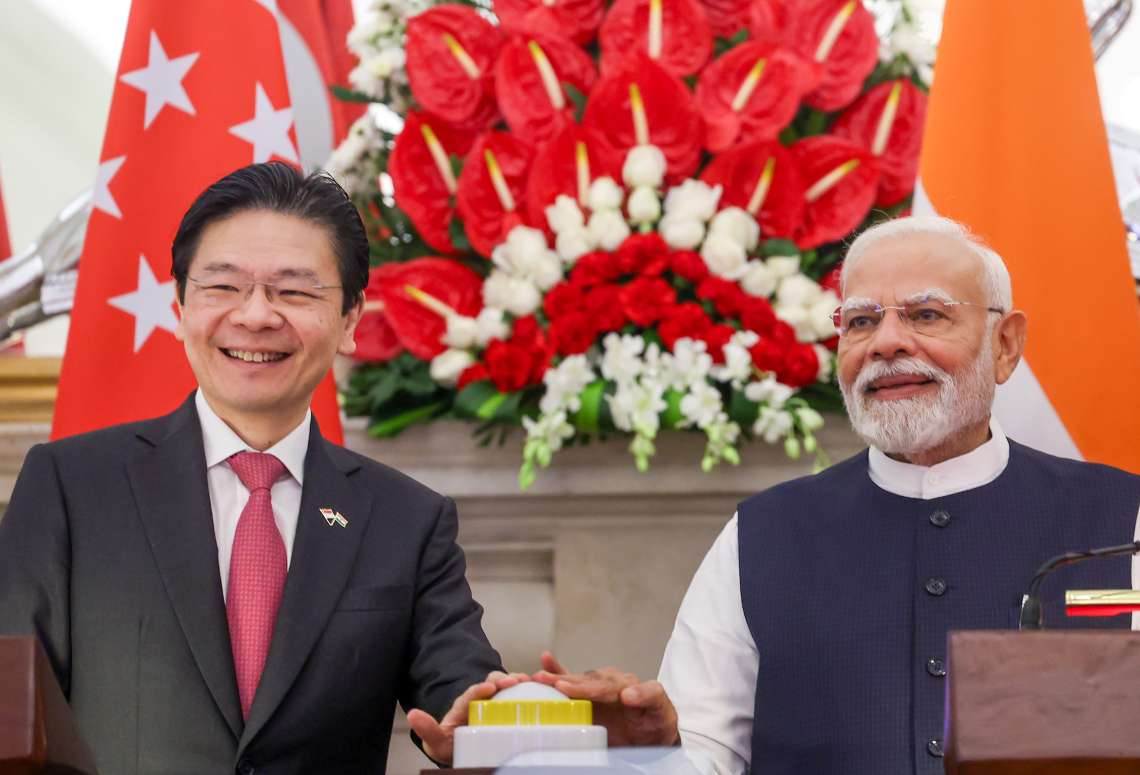
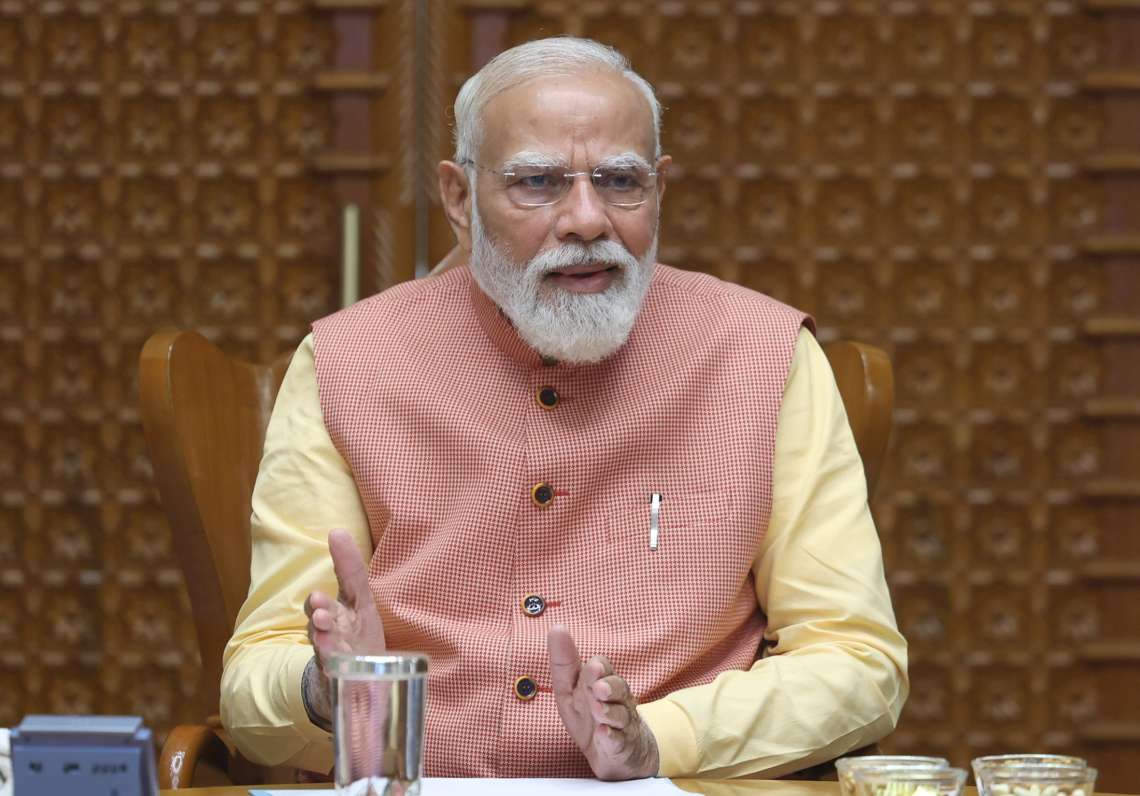
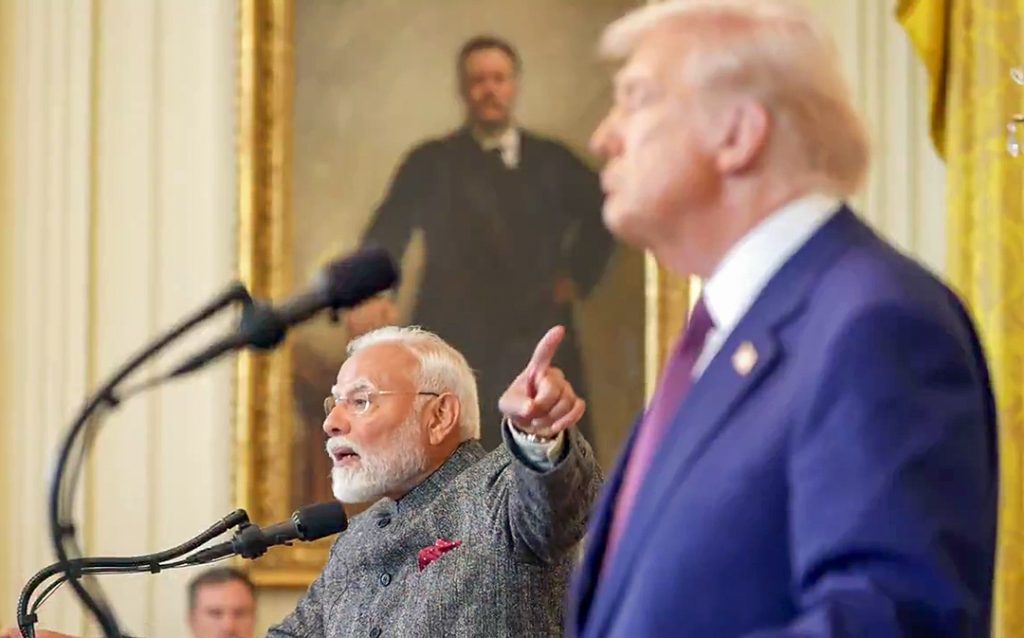
Crucially, India’s external posture has been underpinned by domestic political cohesion. Prime Minister Narendra Modi’s government maintained reform momentum despite trade pressure from U.S. President Donald Trump’s second-term policies, including tariffs and threats linked to energy ties. Rather than reacting defensively, India treated these pressures as opportunities to diversify partners and strengthen its negotiating position.
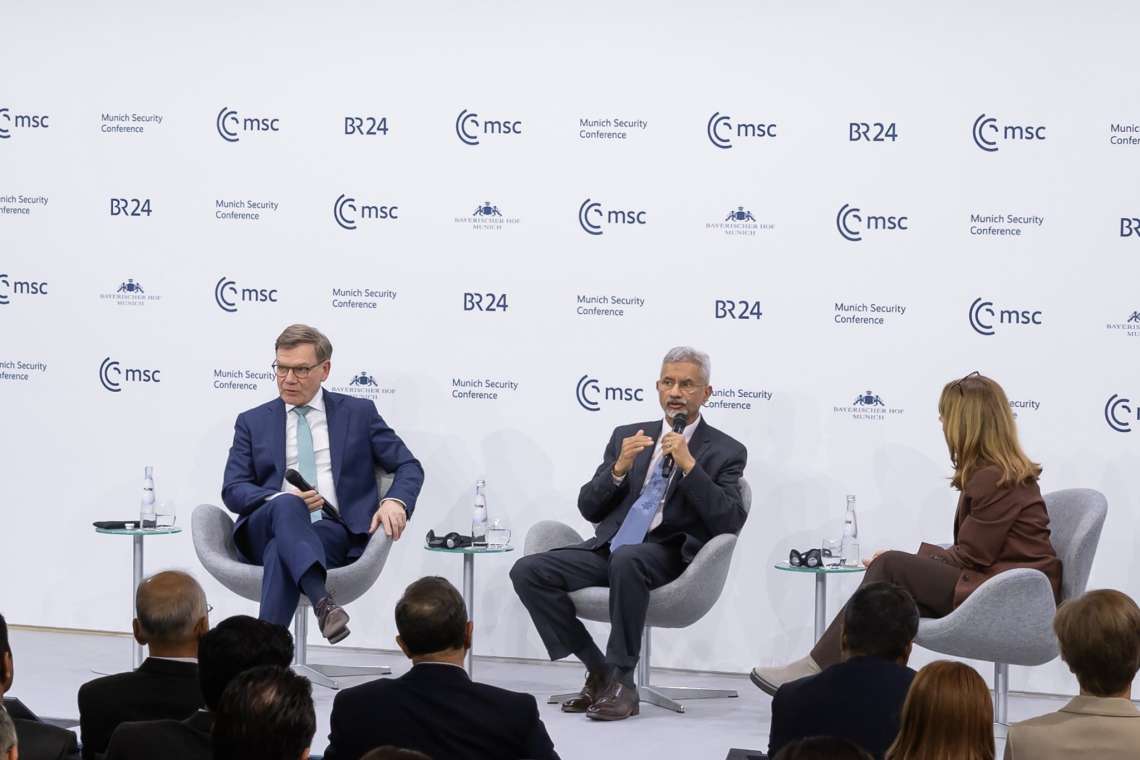
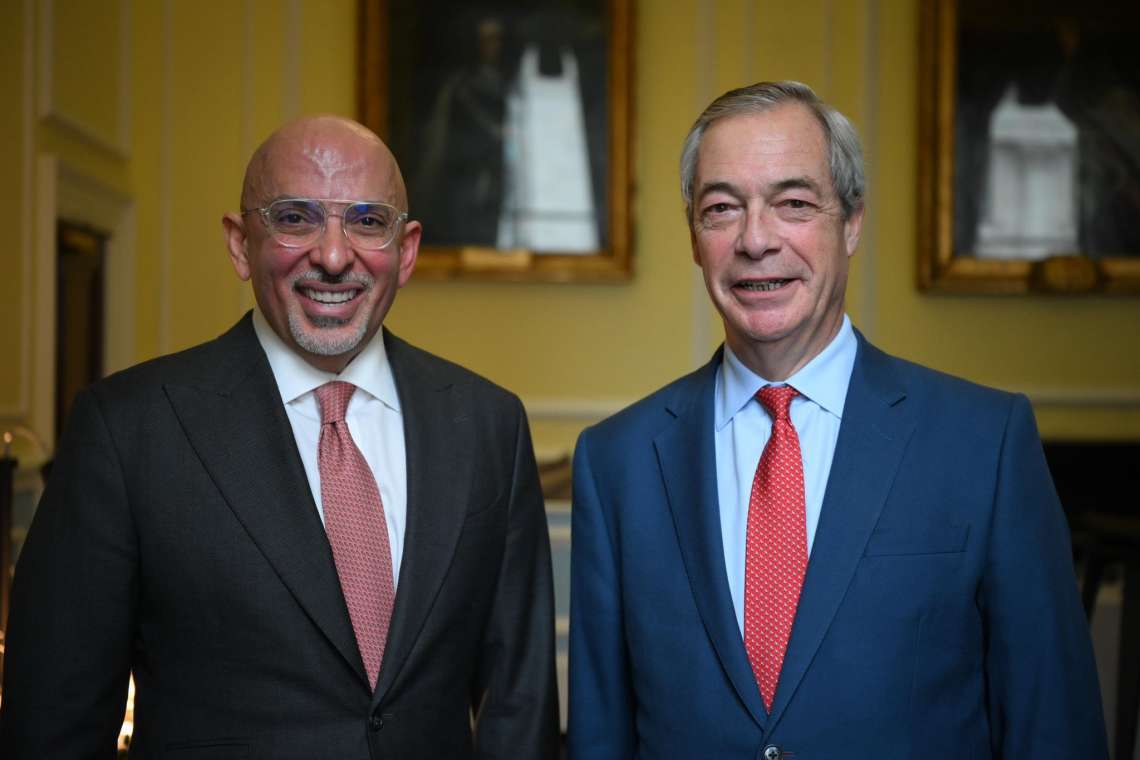
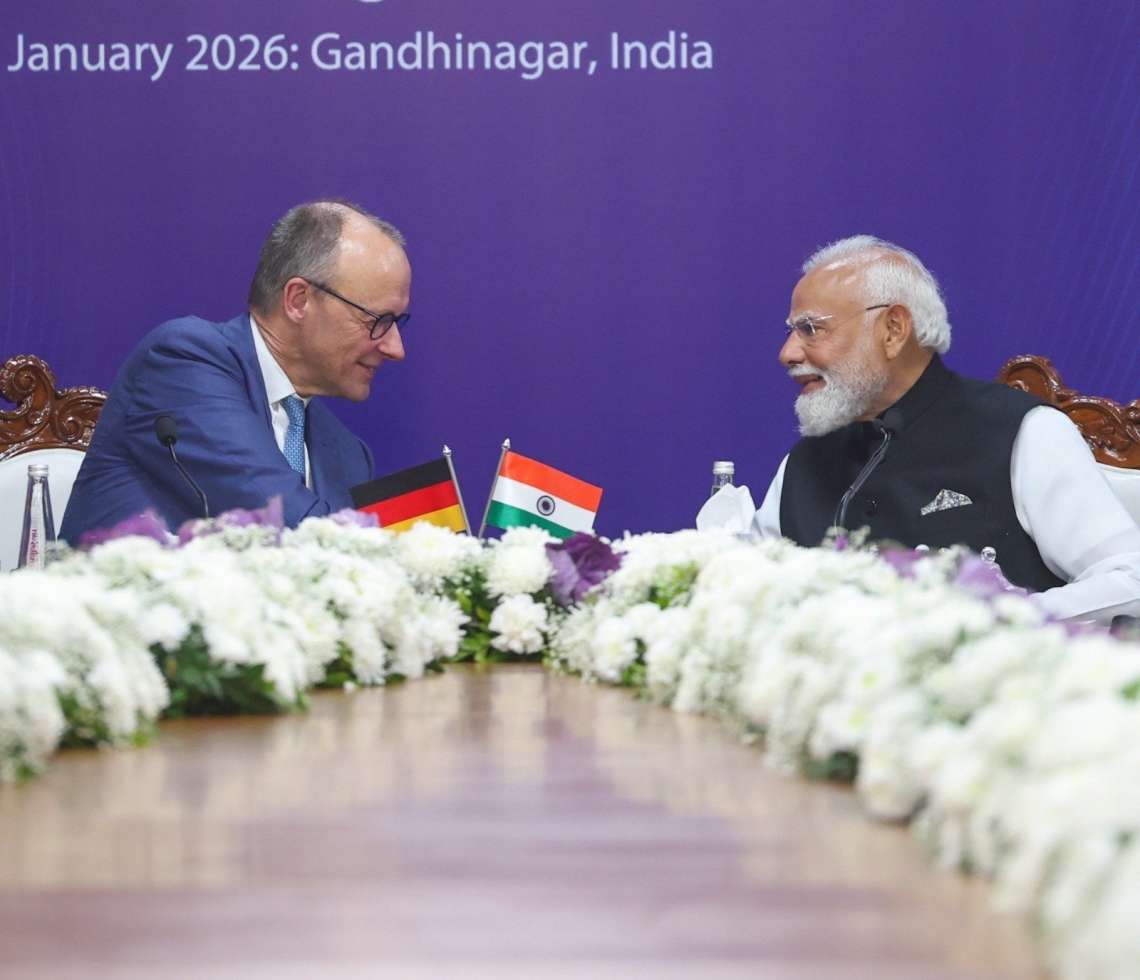
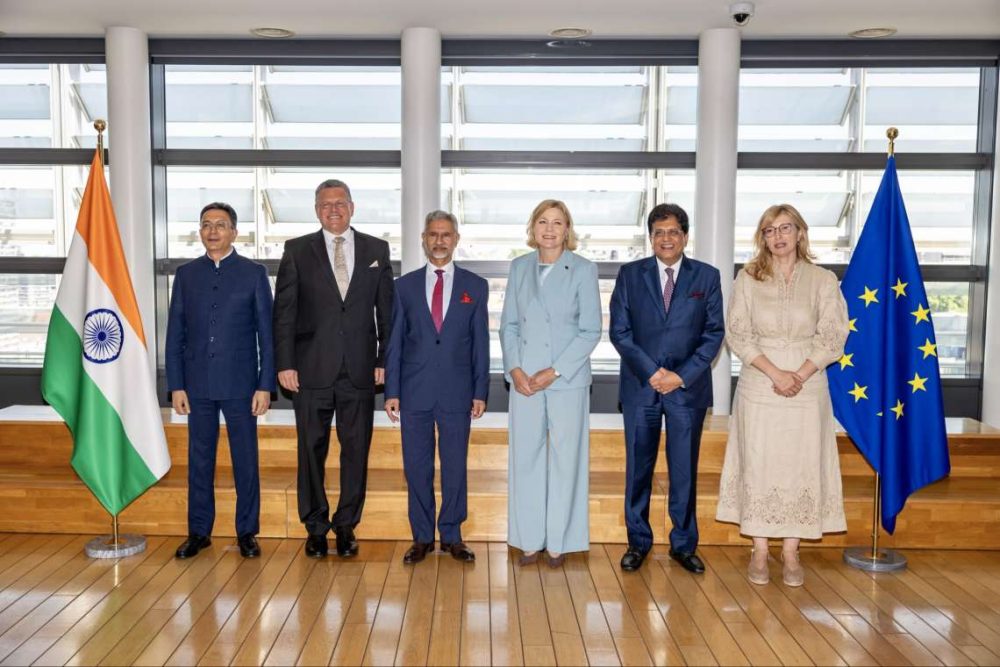
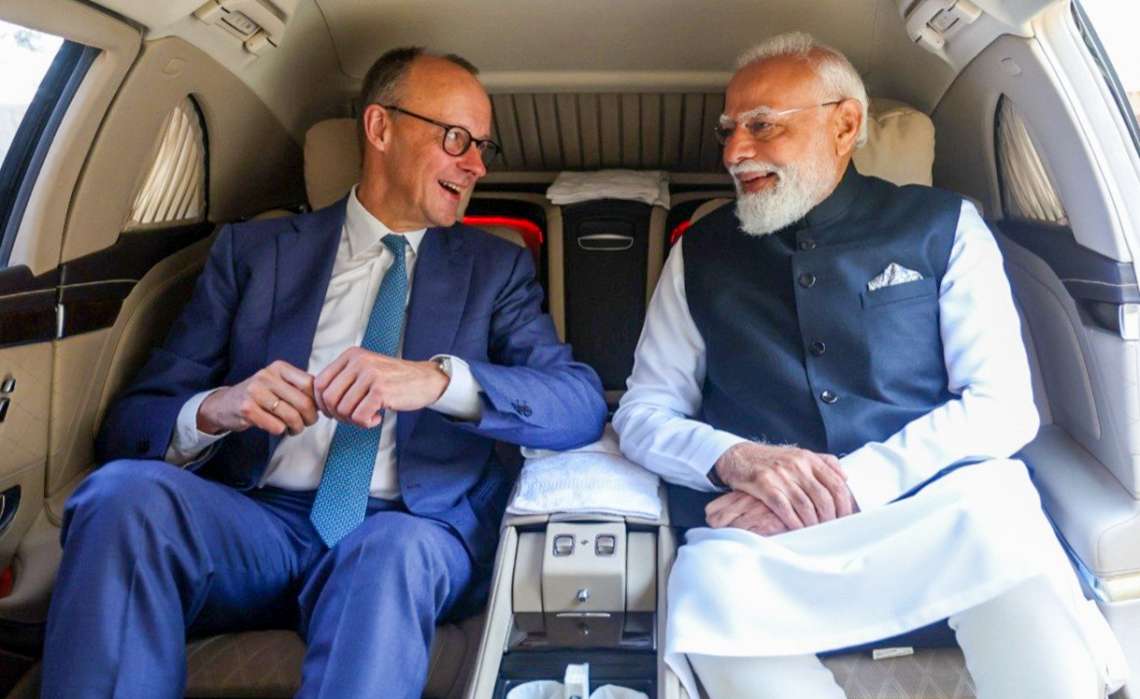
Europe has emerged as a key beneficiary of this recalibration. As Washington adopted a more transactional approach to global engagement, India increasingly viewed European states as credible partners offering technology, capital and defence cooperation. For Europe, facing strategic uncertainty after Brexit and amid the Ukraine war, convergence with India offered access to a rising power that values rules-based engagement without subordination.
China remained the defining structural rival in India’s calculations. Persistent border tensions, unresolved trust deficits and Beijing’s growing military assertiveness in East Asia continued to shape New Delhi’s strategic outlook. India leveraged its democratic credentials to differentiate itself globally, strengthening partnerships while avoiding confrontational bloc politics.
Economic growth remained the foundation of India’s influence. With GDP growth of around 6.7% in 2025 and resilient exports, New Delhi demonstrated that strategic autonomy is sustainable only when backed by economic performance. Free trade agreements with the UK, New Zealand and Oman, alongside deeper engagement with Europe and the Gulf, reinforced trade as a tool of foreign policy.
Security preparedness complemented this strategy. India modernised its armed forces, expanded indigenous defence production and deepened cooperation with European suppliers, including France. These moves reinforced India’s image as a responsible power capable of deterrence without escalation.
For Europe, India’s trajectory offers a warning and an opportunity. Strategic autonomy is not ideological posturing but a survival strategy in a world where power is increasingly weaponised. Deepening India–EU cooperation is therefore not optional. It is a practical response to a global system where unpredictability has become the norm.