At Munich, Jaishankar says India-Europe ties need deeper trust beyond visits and trade deals, as multipolarity reshapes global power balances and strategic alignments.
India’s External Affairs Minister S. Jaishankar has urged India and Europe to move beyond symbolic diplomacy and invest in building deeper trust, saying durable partnerships cannot be sustained merely through high-level visits or formal agreements.
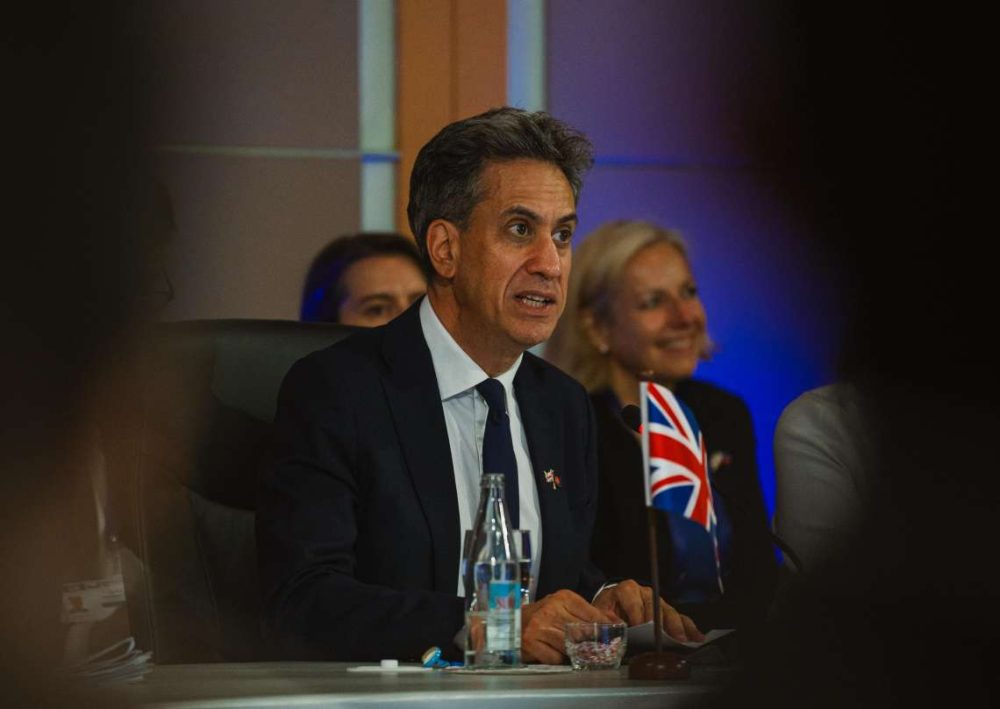
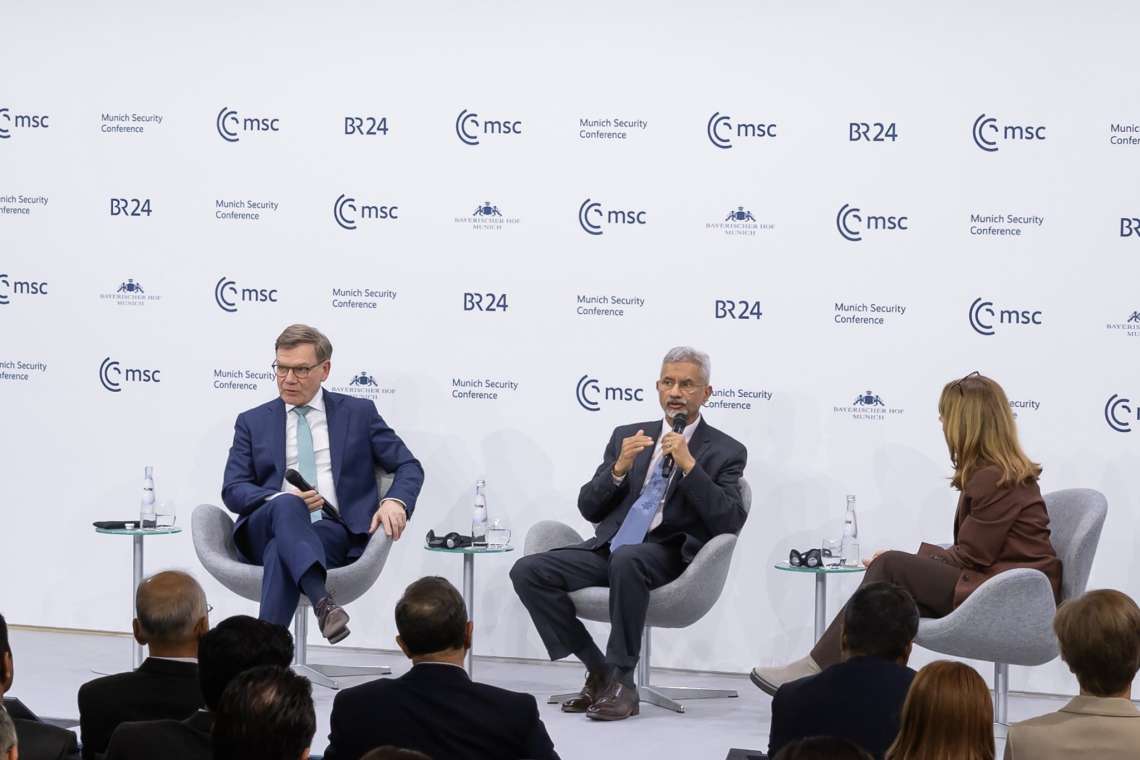
Speaking at the Munich Security Conference 2026 alongside German Foreign Minister Johann Wadephul, Jaishankar framed India-Europe ties within a rapidly shifting global order. The conversation, titled ‘Navigating Uncertainty: India and Germany in a World in Disarray’, centred on multipolarity, strategic autonomy and the need for long-term political comfort between partners.
“Relationships don’t happen just by visits and agreements and headline news or even discussions here. They need a lot of comfort building,” Jaishankar said, underscoring that trust must be cultivated steadily rather than episodically.
He observed that the international system is moving towards what he described as greater multipolarity, with multiple autonomous centres of decision-making emerging. Europe, he noted, has undergone a “strategic reawakening” in recent years, making it an increasingly consequential actor in global affairs.
Against this backdrop, Jaishankar argued that India’s engagement with Europe — and particularly with Germany — must evolve in substance, not just optics. “We need India and Europe and India and Germany to work to build that level of comfort,” he said, signalling that political trust, economic integration and security cooperation must deepen simultaneously.
Beyond the bilateral conversation, Jaishankar also engaged with G7 foreign ministers and other global counterparts on the sidelines of the conference. He reiterated India’s support for the UN80 reform agenda and highlighted New Delhi’s expanding role in safeguarding global commons.
The minister emphasised India’s contribution to securing sea lines of communication, acting as a first responder during crises, strengthening port security frameworks and supporting resilient submarine cable infrastructure — areas increasingly central to economic security and geopolitical stability.
India-Europe relations have gained fresh momentum following the finalisation of the India-EU Free Trade Agreement in January 2026 after prolonged negotiations. The agreement eliminates tariffs on more than 90 per cent of goods traded between the two sides, marking one of the most ambitious trade frameworks concluded by India.
According to a sectoral assessment by ICRA, India will receive preferential zero-duty access on 97 per cent of EU tariff lines, covering nearly 99.5 per cent of the value of Indian exports. In return, India will reduce or eliminate tariffs on 92 per cent of its tariff lines for EU imports.
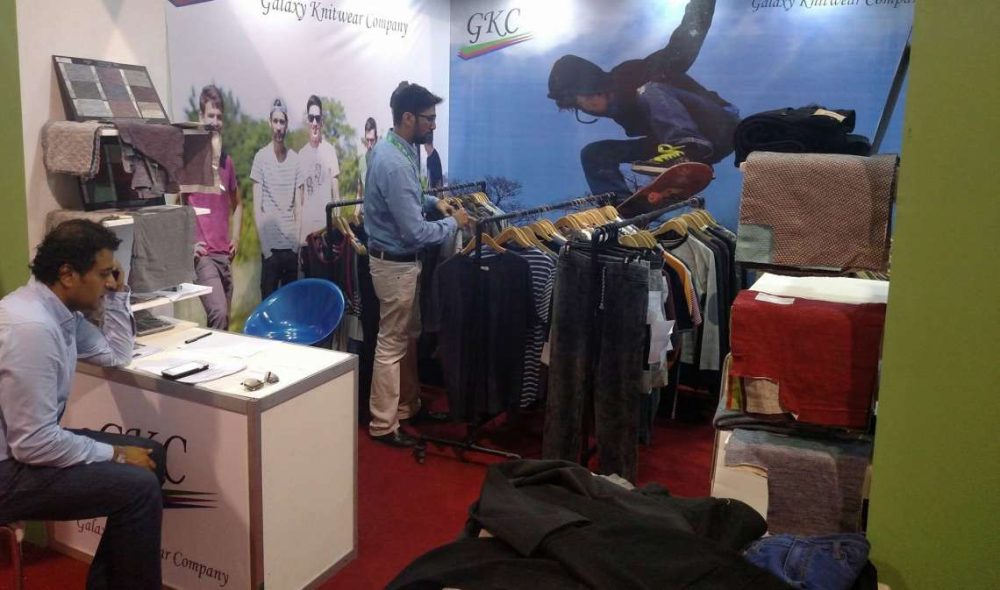
Agricultural and processed food exports — including tea, coffee, spices, fruits, vegetables and marine products — are expected to benefit significantly. Marine exports in particular could see tariff reductions of up to 26 per cent, potentially boosting coastal employment and export growth. Labour-intensive sectors such as leather, footwear, furniture and rubber products are also projected to gain.
At the same time, sensitive sectors including dairy, cereals and poultry have been safeguarded under the agreement to protect farmers and micro, small and medium enterprises.