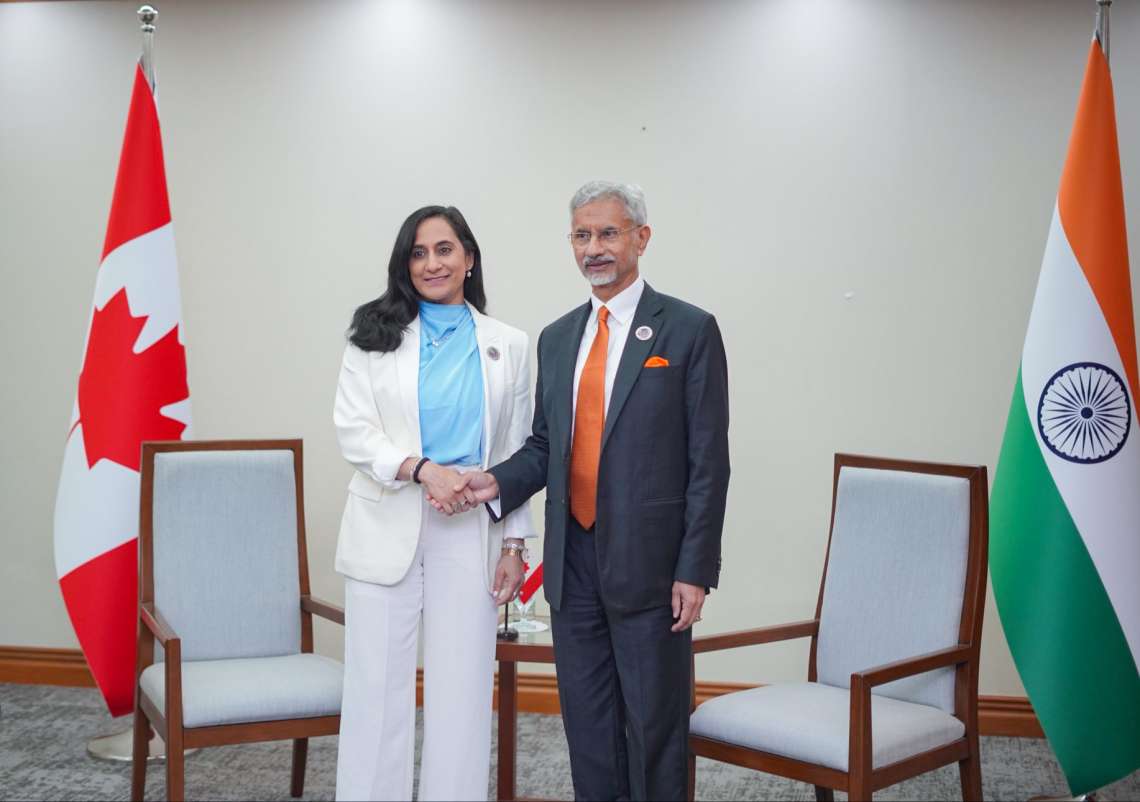
External Affairs Minister S Jaishankar said every foreign policy decision is guided by India’s national interest and strategic priorities…reports Asian Lite News Desk
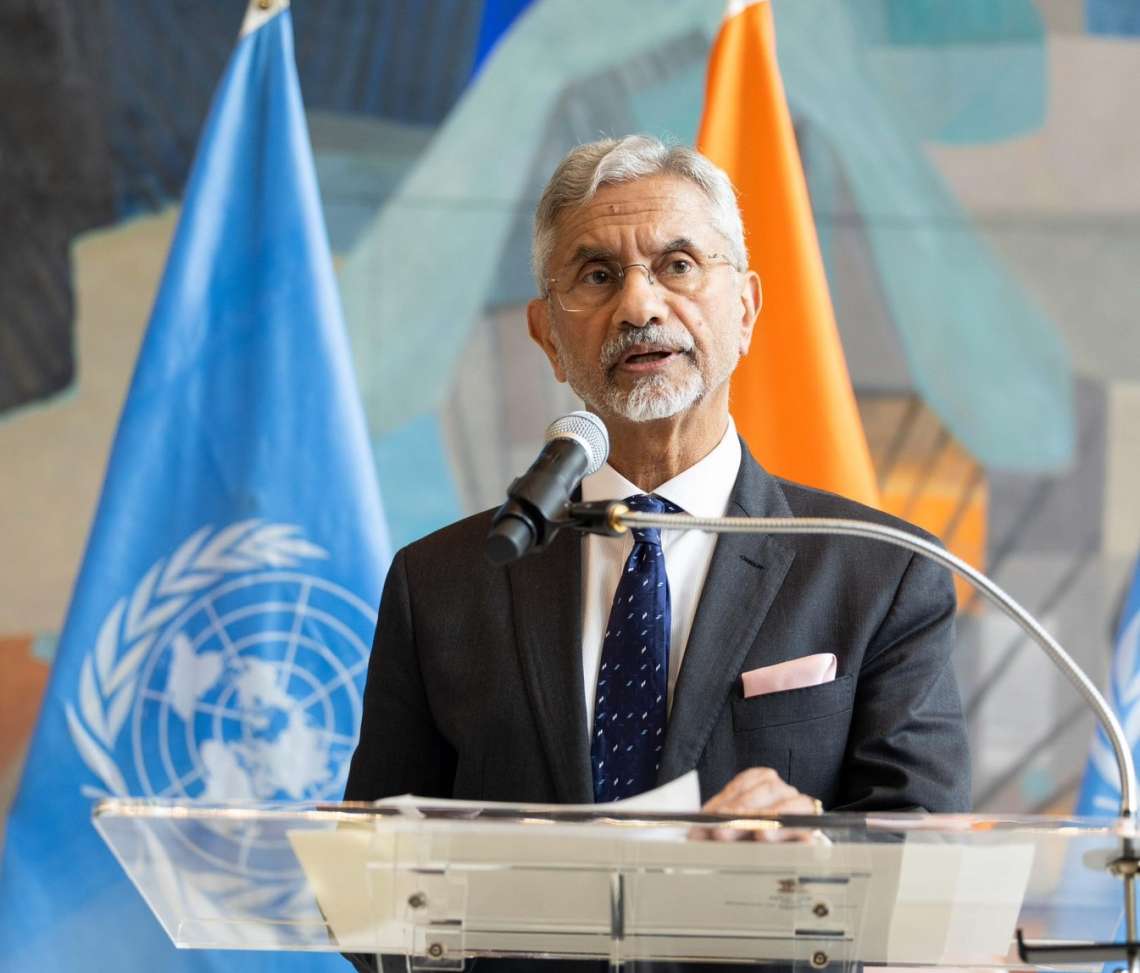
External Affairs Minister S Jaishankar on Tuesday said India’s foreign policy decisions are guided by national interest, stressing that the government follows an “India first” approach while navigating an increasingly complex global landscape.
Speaking to DD India during a discussion on 12 years of India’s foreign policy under the current government, Jaishankar said every major diplomatic decision is assessed through the lens of what best serves the country’s interests.
“We should always be clear that we follow an India first policy. The test of any decision would eventually be what should be our national interest,” Jaishankar said.
The External Affairs Minister noted that managing relations with major global powers has become one of the most important and challenging aspects of modern diplomacy. He said countries must carefully position themselves in a rapidly changing international environment while safeguarding their own interests.
Responding to questions on India’s ties with the United States and China, Jaishankar said the US has increasingly emphasised an “America First” approach in its foreign policy, but India’s strategic outlook remains independent and focused on its own priorities.
“The United States today very openly says that it follows an America First policy. Quite independently of what the US does, we should always be clear that we follow an India first policy,” he said.
Jaishankar observed that changes in US engagement with the world had affected many countries, particularly through tariffs, market access issues and Washington’s positions on multilateral organisations and regional matters. However, he noted that some aspects of US policy did not directly affect India because of its distinct strategic position.
On relations with China, Jaishankar acknowledged that ties had faced significant challenges since 2020 following tensions along the Line of Actual Control. He said the situation had improved over the past year, with political relations stabilising to a considerable extent.
“We went through a difficult period starting with 2020 when peace and tranquillity in the border areas were disturbed, but in the last year things have settled down,” he said, adding that relations had improved but had not yet returned to the level seen before the tensions emerged.
The minister also highlighted India’s stable partnerships with Russia and Japan and pointed to significant progress in relations with Europe.
According to Jaishankar, India’s engagement with European nations has witnessed the most notable improvement in recent years, driven by growing strategic cooperation and progress on a Free Trade Agreement.
“The most notable in all our diplomatic accounts, where there has been the biggest improvement, without question, is Europe. The FTA and the strategic partnership that we have really created a much closer template for cooperation,” he said.
Jaishankar’s remarks came as the government marked 12 years in office, highlighting the evolution of India’s foreign policy amid shifting geopolitical realities and an increasingly multipolar world.