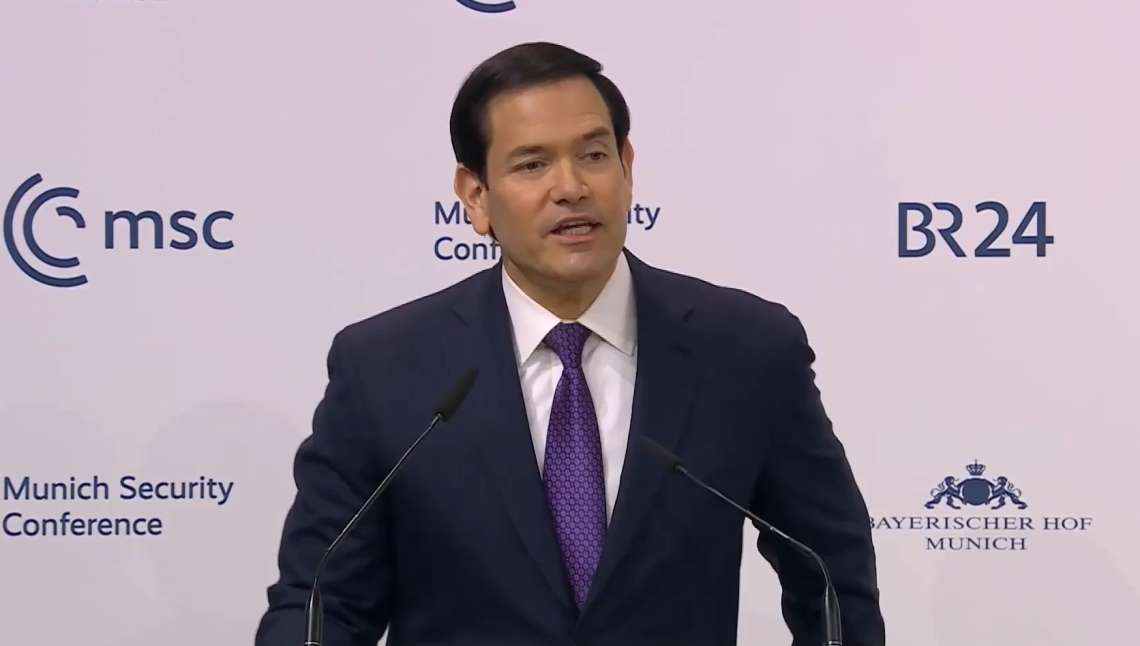
Marco Rubio says sustained US-China dialogue is a strategic obligation, urging engagement without concessions as rivalry deepens and summit with Xi Jinping looms.
US Secretary of State Marco Rubio has said Washington has an “obligation to communicate” with China, arguing that sustained dialogue between the world’s two largest economies is a strategic necessity despite deep and enduring tensions.
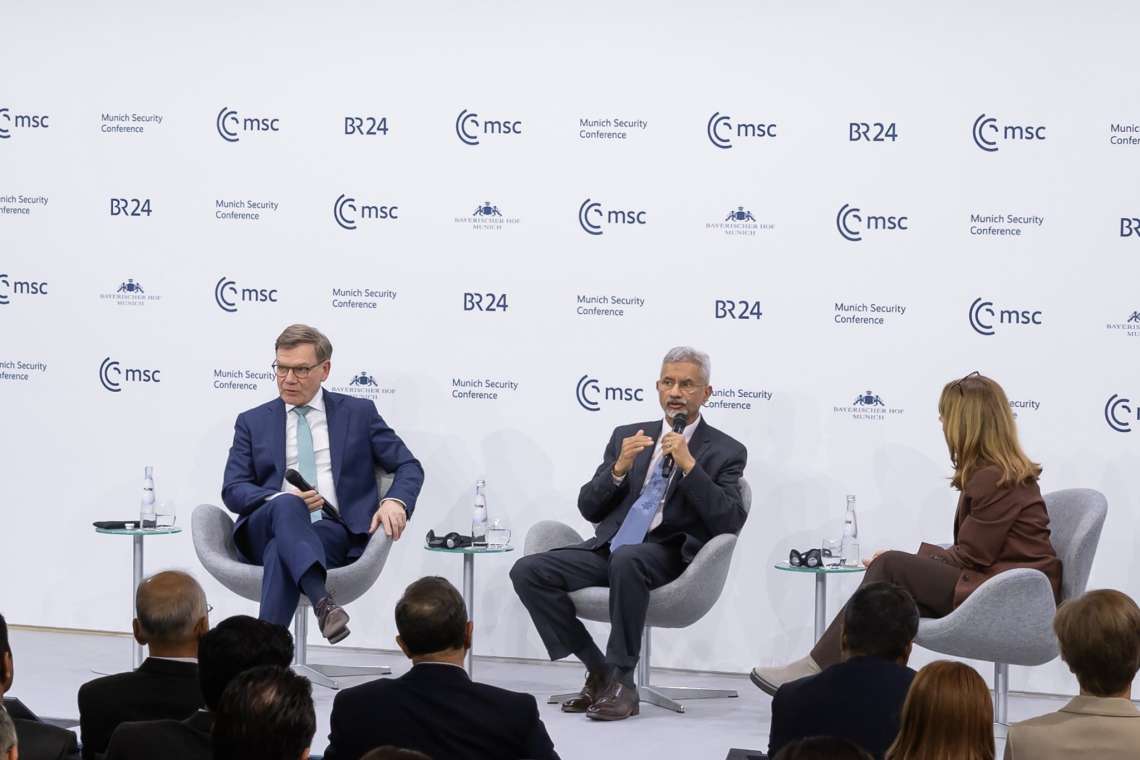
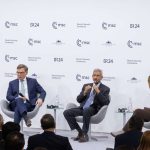
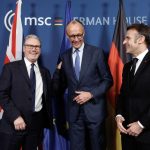
Speaking at the Munich Security Conference, Rubio described engagement with Beijing not as a concession, but as responsible statecraft. “The two largest economies in the world, two of the big powers on the planet, we have an obligation to communicate with them and talk,” he said. “It would be geopolitical malpractice to not be in conversations with China.”
His remarks came amid expectations of a summit in the coming months between US President Donald Trump and Chinese President Xi Jinping, signalling that high-level diplomatic channels remain active even as strategic rivalry sharpens.
Rubio acknowledged that structural competition between Washington and Beijing is unlikely to fade. As two major powers with global reach, he said, their national interests will frequently diverge. “Their national interests and ours will not align, and we owe it to the world to try to manage those as best we can, obviously avoiding conflict, both economic and worse,” he noted.
He stressed that engagement does not equate to compromise at the expense of US interests. “Nothing that we agree to could come at the expense of our national interest,” Rubio said, adding that the United States expects China, like any sovereign nation, to pursue its own interests. The objective, he suggested, is not harmony but stability — managing friction without escalation.
Rubio also underscored the global ramifications of US-China economic tensions. Trade disputes and restrictions in technology sectors, he said, reverberate far beyond the two countries. “Whatever happens between the US and China on trade has a global implication,” he warned, pointing to interconnected supply chains and markets.
At the same time, he left open the possibility of pragmatic cooperation in areas of overlapping interest. Where alignment exists, he said, the two countries can work together to produce positive global outcomes. However, he cautioned that fundamental differences between China and the West will remain a defining feature of international politics for the foreseeable future.
“There are long-term challenges that we face that we’re going to have to confront,” Rubio said, describing them as enduring irritants in the bilateral relationship. “No one is under any illusions.”
In his broader address, Rubio urged Western nations to rebuild industrial capacity, secure access to critical minerals that are not vulnerable to coercion, and invest heavily in emerging technologies such as advanced artificial intelligence. His comments reflect growing concern in Washington and allied capitals about economic security, supply-chain resilience and technological leadership.
US-China ties have been marked in recent years by tariff disputes, export controls on advanced semiconductors, tensions over Taiwan and intensifying geopolitical competition in the Indo-Pacific. Yet successive administrations have maintained dialogue to prevent miscalculation between the two nuclear-armed powers.