Khawaja Asif’s admission that Pakistan “rented itself out” after 9/11 triggers backlash in Afghanistan, with critics accusing Islamabad of decades-long double game.
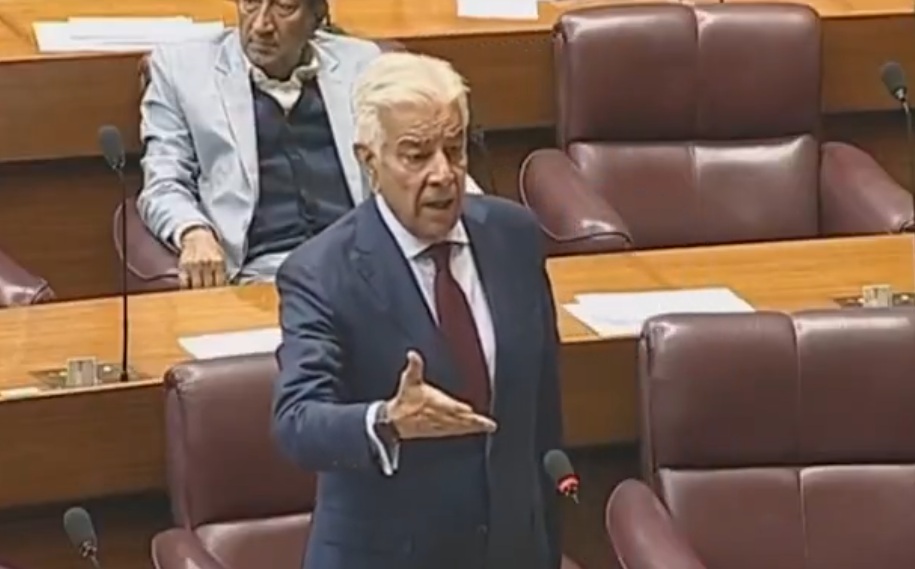
Pakistan’s Defence Minister Khawaja Asif has sparked sharp criticism in Afghanistan after admitting in parliament that Pakistan had “rented itself out” to the United States following the 9/11 attacks — remarks that Afghan commentators say validate long-held accusations of duplicity.
According to a report by the Afghan Diaspora Network, Asif’s statement has reignited debate over Islamabad’s role during the US-led war in Afghanistan. Afghan political figures argue that the admission reinforces claims that Pakistan simultaneously aligned itself with Washington while nurturing militant proxies and shaping regional narratives to its advantage.
The controversy centres on Asif’s characterisation of Pakistan’s post-9/11 policy as a political miscalculation. Critics in Kabul contend that such framing understates what they describe as a deliberate and sustained strategy that contributed to decades of instability in Afghanistan.
Former Afghan intelligence chief Rahmatullah Nabil offered one of the strongest rebuttals, calling the minister’s comments “not an honest reckoning but a revisionist attempt to sanitise decades of Pakistani policy”. Nabil pointed to what he described as contradictions in Asif’s narrative, recalling that the same politician had previously invoked religious legitimacy when the Taliban returned to power, telling the United States: “Power is yours, God is with us.”
For Nabil, the apparent shift in tone reflects an effort to reframe history rather than confront it. He argues that Pakistan’s Afghan policy has long combined ideology, geopolitics and strategic opportunism, and that reducing it retrospectively to “political mistakes” evades responsibility for what he calls the human toll borne by Afghans — including displacement, destruction and loss of life.
Former US ambassador to Afghanistan Zalmay Khalilzad also weighed in, highlighting what he described as Pakistan’s dual-track approach during the war on terror. While Islamabad received billions of dollars in military and financial assistance from Washington, Khalilzad has argued that elements within Pakistan’s security establishment provided sanctuary to Taliban insurgents fighting US and NATO forces.
Adding to the criticism, former Afghan MP Mariam Solaimankhil said Asif’s remarks were dismissive of Afghan suffering. She contended that Pakistan’s involvement was not merely an unintended consequence of global geopolitics but a deliberate strategy that included ideological mobilisation, from madrassa networks to jihadist narratives.
Solaimankhil’s critique echoes Nabil’s broader claim that Pakistan was not simply reacting to external pressures after 9/11, but played an active role in shaping forces that destabilised Afghanistan over two decades.