Prime Minister Keir Starmer urges Europe to shift from US overdependence to interdependence, calling for stronger European NATO pillar and deeper UK–EU defence integration.
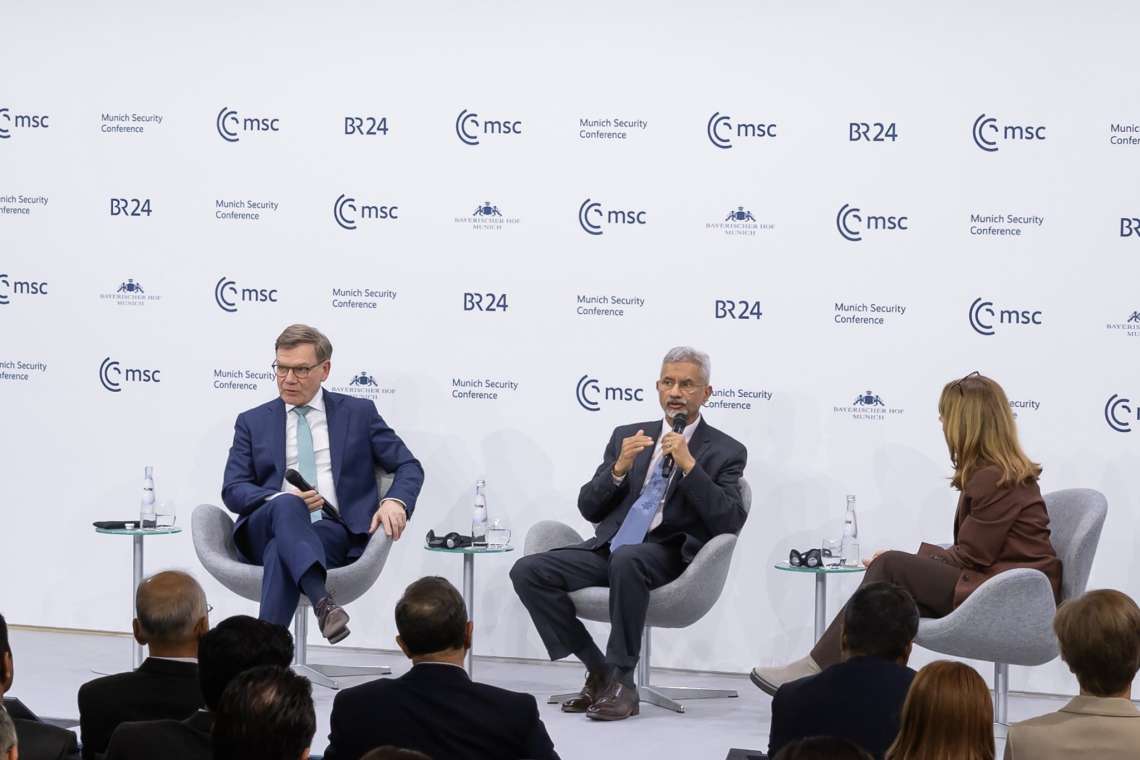
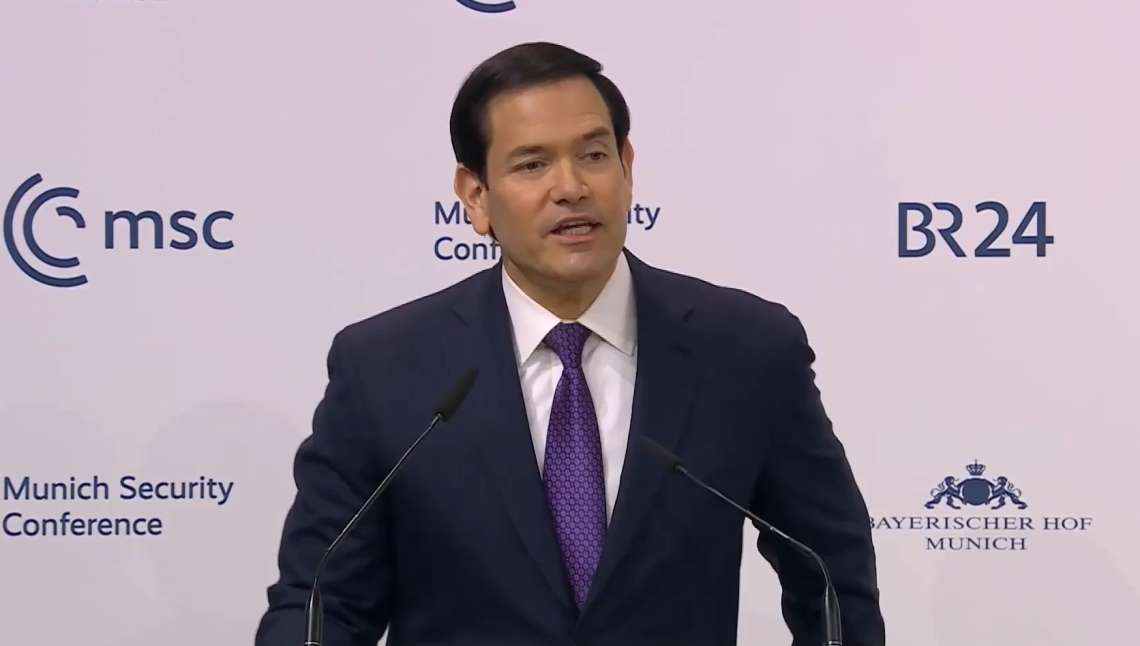
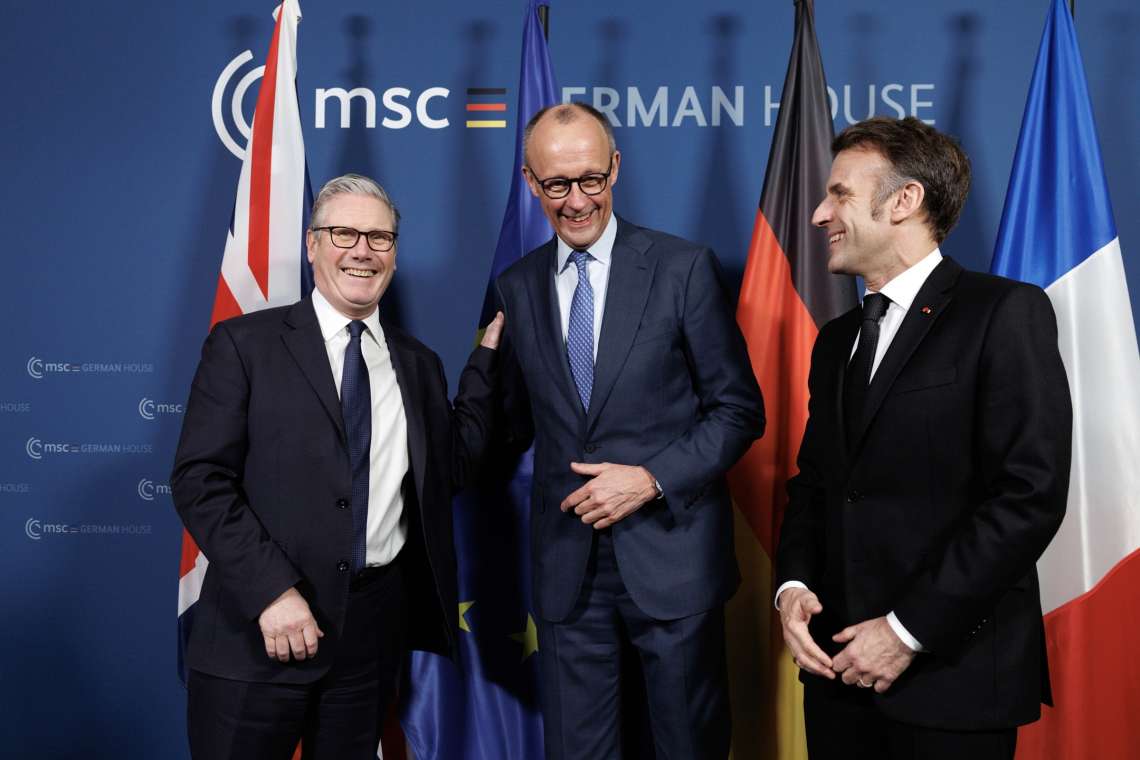
The UK Prime Minister will warn European leaders that the continent must move from “overdependence” on the United States towards “interdependence” — and a stronger, more European pillar within NATO — as he sets out a new vision for collective security at the Munich Security Conference.
Speaking in Munich on Saturday, Keir Starmer is expected to argue that Britain’s future prosperity and security are inseparable from Europe’s, particularly in the face of Russia’s continued aggression and global instability. He will say that the UK is no longer defined by the divisions of the Brexit era and must instead embrace closer defence and security ties with its European neighbours.
“We are not the Britain of the Brexit years anymore,” he is expected to say. “In dangerous times, we would not take control by turning inward — we would surrender it. And I won’t let that happen. There is no British security without Europe, and no European security without Britain.”

While reaffirming that the United States remains an indispensable ally whose contribution to European security has been unparalleled, the Prime Minister will argue that Europe must respond to shifts in Washington’s strategic posture. The answer, he will say, is not American withdrawal but greater burden-sharing — moving from reliance to genuine interdependence.
He will outline a vision of European security rooted in greater autonomy and sovereign deterrence, delivered through a stronger and more integrated defence capability across the continent. Central to that vision is reform of Europe’s fragmented defence industrial base, which he is expected to criticise for duplication, gaps and slow procurement processes.
“As I see it, Europe is a sleeping giant,” he will say. “Our economies dwarf Russia’s, ten times over. We have huge defence capabilities. Yet too often this has added up to less than the sum of its parts.”
The UK, he will note, already accounts for more than a quarter of Europe’s defence industrial base, with around 239,000 people employed in defence-related industries across the country. British firms are positioned as key contributors to a shared European industrial strategy spanning defence, technology and artificial intelligence.

The Prime Minister will also point to existing bilateral partnerships as proof of concept. These include a £10 billion frigate deal with Norway, an £8 billion Typhoon agreement with Turkey, and joint work with Germany, Italy and France on next-generation long-range missile systems. Such projects, he will argue, demonstrate the economic and strategic benefits of scaling up co-operation.
To underpin the strategy, the UK defence budget is set to rise to record levels, delivering what Downing Street describes as the largest boost since the Cold War, totalling £270 billion over the course of this parliament. The Prime Minister is expected to signal willingness to explore innovative joint funding mechanisms with European partners to ensure that increased spending translates into faster production and stronger deterrence.
He will also use the speech to warn against political forces at both extremes that he says are soft on Russia and sceptical of NATO. Without naming parties, he will caution that “peddlers of easy answers” threaten to undermine the alliances and values that have safeguarded Europe for decades.
“If we want to repair our social fabric, if we believe in democracy, liberty and the rule of law, this is the moment to stand up and fight for them,” he will say, framing defence investment not only as a security necessity but as a test of Europe’s collective resolve.