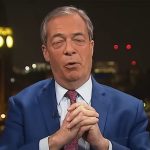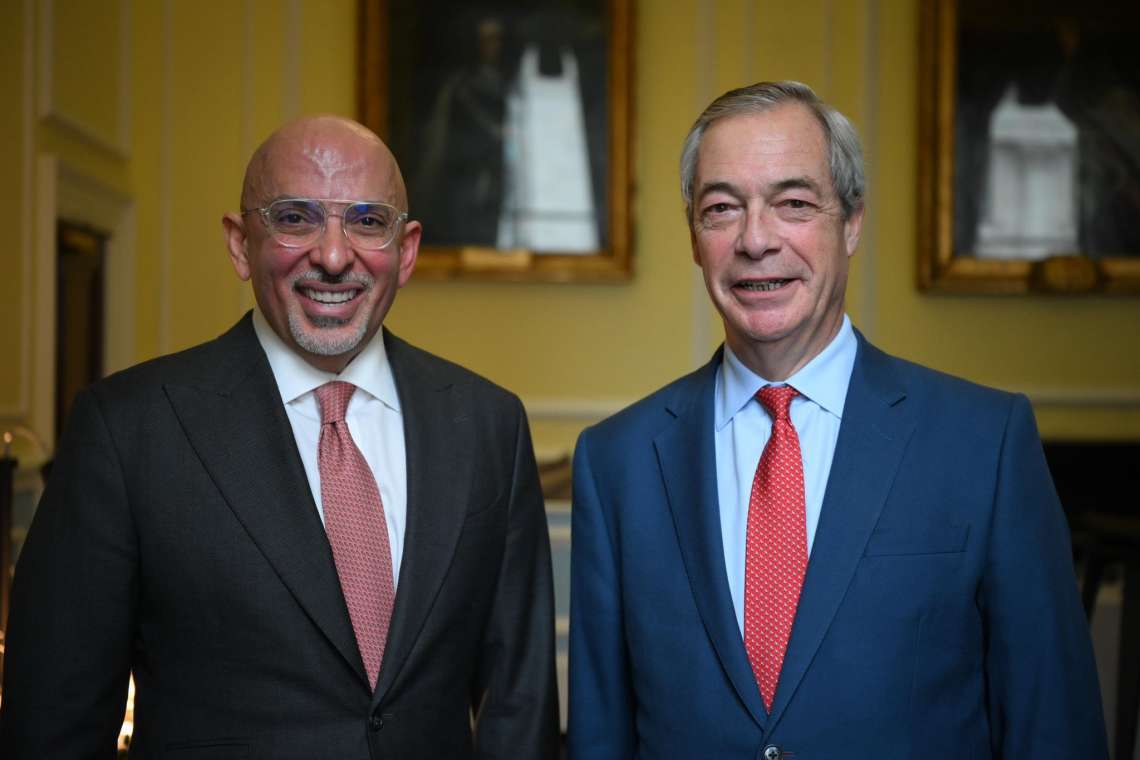
Former chancellor Nadhim Zahawi defects to Reform UK, accusing the Conservatives of failure, bureaucracy and lost control, as Nigel Farage predicts electoral collapse for Britain’s traditional right.
Former Conservative Chancellor Nadhim Zahawi has dramatically defected to Reform UK, delivering a fresh blow to the Tories and underlining the deepening crisis facing Britain’s traditional centre-right politics.
Zahawi, who briefly served as chancellor under Boris Johnson and held several senior cabinet roles, was unveiled as Reform UK’s latest high-profile recruit by party leader Nigel Farage at a press conference on Monday. His move makes him one of around 20 former Conservative MPs to have joined Reform, a party increasingly positioning itself as the primary challenger to the right of mainstream British politics.
In a fiery speech explaining his decision, Zahawi said the UK had reached what he described as a “dark and dangerous moment” and argued the country needed nothing less than a “glorious revolution”. He framed his defection as an act of political conviction rather than personal ambition, claiming Britain’s institutions had become bloated, unaccountable and hostile to ordinary voters.
Zahawi pointed to concerns over free speech as a key motivation, suggesting people now felt unable to express views freely “on X or even just down the pub”. He also launched a blistering attack on what he described as an over-powerful civil service and a sprawling network of quangos, which he said had grown unchecked since the Blair era and were allowed to entrench themselves under successive Conservative governments.
In a rare note of self-criticism, Zahawi admitted he bore some responsibility for what he called “constitutional vandalism” and the Conservatives’ failure to genuinely “take back control” after Brexit. He argued that mass migration policies had failed and that what he termed “virtue-signalling legislation” had undermined Britain’s competitiveness and prosperity.
Nigel Farage sought to use Zahawi’s arrival to reinforce Reform UK’s momentum while rejecting claims that the party was simply becoming a rebranded Conservative Party. Farage said he had fought the Conservatives “tooth and nail” over Brexit and insisted Reform represented a clean break from what he called decades of political mismanagement.
Looking ahead to the May elections for Holyrood, the Welsh Senedd and local councils across England, Farage made his boldest prediction yet, claiming the Conservatives would “cease to be a national political party”. He also suggested several serving Tory MPs were exploring a switch to Reform, though he said not all applicants were being accepted, emphasising Zahawi’s “conviction” and ideological alignment.
The Conservatives responded with fury, dismissing Reform as a refuge for political opportunists. A party spokesperson accused Reform of becoming “the party of has-been politicians looking for their next gravy train”, highlighting past remarks in which Zahawi had criticised Farage and questioning his loyalty.
The spokesman also attacked Reform’s policy platform, arguing the party favoured higher welfare spending and higher taxes, and branding it a “one-man band with no plan for our country”. The Conservatives insisted that under leader Kemi Badenoch they retained the credibility, competence and team needed to govern.
Zahawi hit back, claiming Badenoch carried the “baggage of a defunct brand”, in comments likely to inflame tensions further within a party already struggling to redefine itself.
Zahawi’s political career has been marked by rapid rises and abrupt falls. Alongside his brief stint as chancellor, he served as education secretary, Chancellor of the Duchy of Lancaster and Conservative Party chairman. His tenure ended controversially in January 2023, when then prime minister Rishi Sunak sacked him after an independent ethics investigation found he had breached ministerial rules by failing to disclose an HMRC investigation into his tax affairs.