UK government clamps down on foreign interference in politics, banning cryptocurrency donations and capping overseas contributions to £100,000, delivering a setback for Reform UK, reports Asian Lite Newsdesk
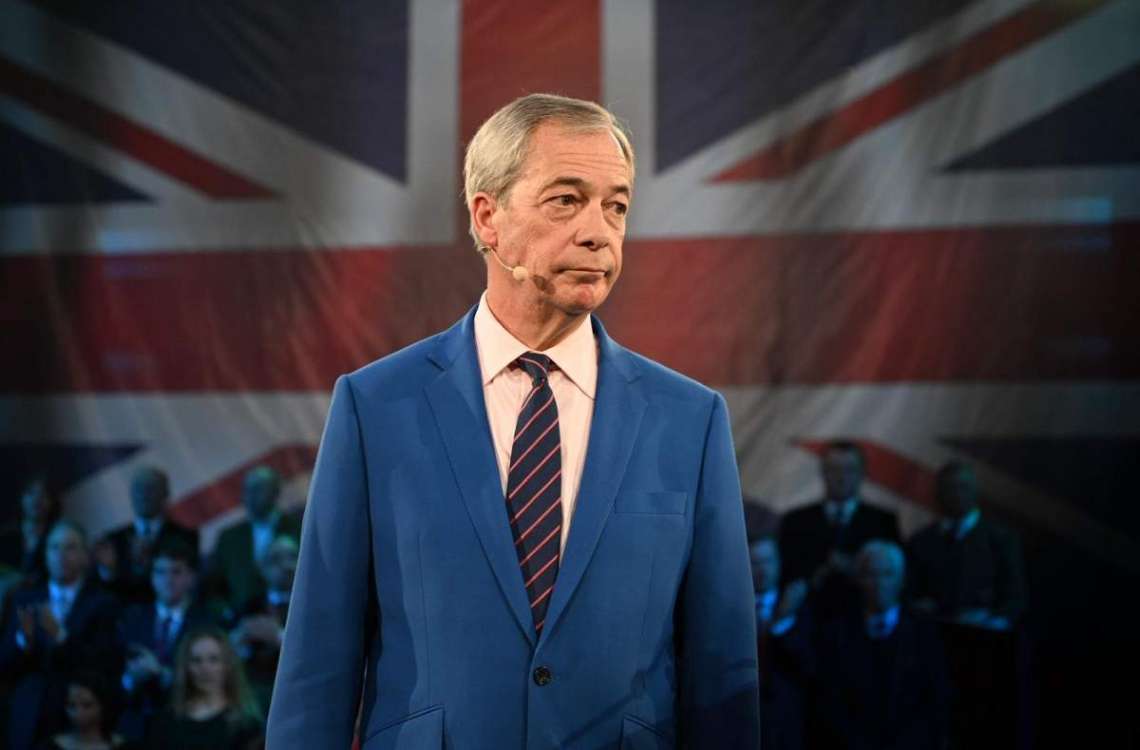
In a decisive move to safeguard the integrity of British elections, Prime Minister Sir Keir Starmer has confirmed an immediate ban on cryptocurrency donations to political parties and introduced strict limits on foreign funding. The announcement, coming in the House of Commons today, is set to have a particularly profound impact on Reform UK, the party led by Nigel Farage.
The government has capped donations from British citizens living abroad at £100,000 per year, including regulated transactions such as loans, a figure reflecting the most stringent recommendations of the recently published Rycroft Review. Reform UK, which received over £12 million last year from Thailand-based cryptocurrency enthusiast Christopher Harborne, will be directly affected, with crypto donations temporarily suspended.
The announcement follows the publication of the Rycroft Review, an independent assessment led by former Permanent Secretary Philip Rycroft. Commissioned by Secretary of State Steve Reed in December 2025, the report examined the risks of foreign financial influence in UK politics and outlined measures to strengthen transparency and accountability.
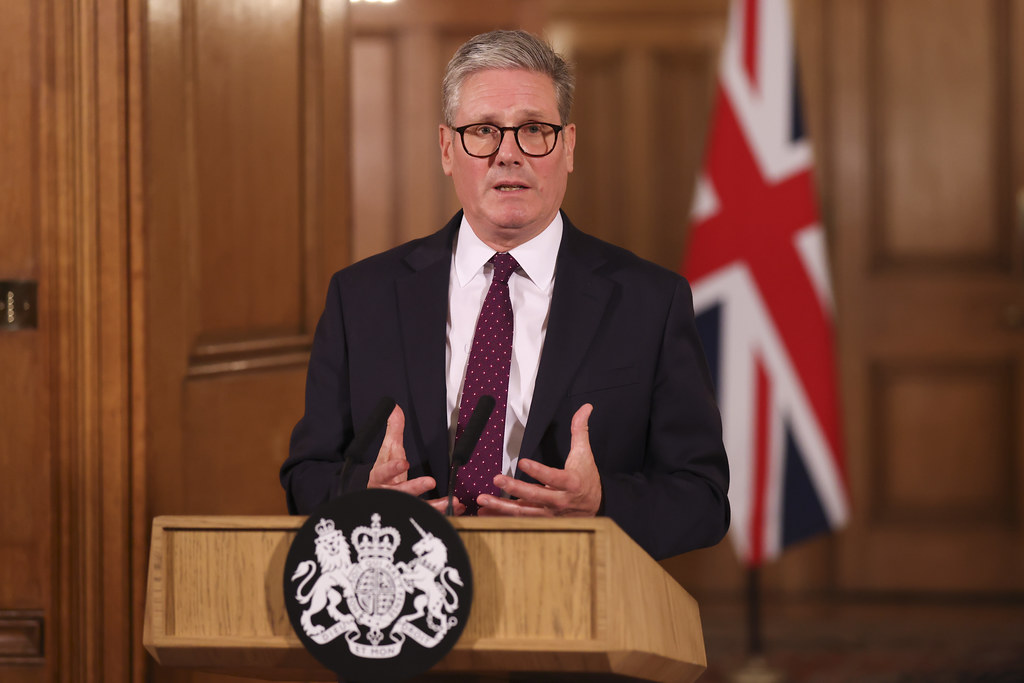
Prime Minister Starmer told MPs, “We will act decisively to protect our democracy. That will include a moratorium on all political donations made through cryptocurrencies.” The measures are to take effect immediately through amendments to the Representation of the People Bill, with retrospective application. Political parties and MPs will have 30 days to return any unlawful donations received during this period.
Tackling Foreign Influence
The government’s reforms are designed to curb foreign interference in British politics. Under the new rules, political donations from overseas electors will be capped, and cryptocurrency contributions, which can be difficult to trace, are banned entirely until regulatory safeguards are strengthened.
Steve Reed emphasised the national importance of the measures, stating, “Foreign interference and dirty money are menacing the integrity of our elections. A ban on cryptocurrency donations is vital. We will stop hostile actors who seek to weaken the UK by stoking division.”
Security Minister Dan Jarvis added, “National security is our first duty. Today’s announcement complements the Counter Political Interference and Espionage Action Plan, ensuring political parties receive intelligence briefings and guidance to resist foreign meddling.”
Strengthening Electoral Safeguards
The Rycroft Review also highlighted broader vulnerabilities, including cases involving former MEP Nathan Gill, jailed for promoting pro-Russian narratives, and Christine Lee, a UK lawyer linked to covert activities on behalf of the Chinese Communist Party. These incidents underscored the risk of foreign funds and influence infiltrating UK politics.
Additional reforms already introduced under the Representation of the People Bill will further reinforce oversight, requiring companies making donations to demonstrate genuine UK-based operations, tighten rules for unincorporated associations, and mandate stronger “Know Your Donor” checks. The Electoral Commission will also gain expanded powers to investigate and enforce donation rules.