UK and Türkiye deepen defence ties with new Typhoon training and support deal, boosting NATO strength and securing thousands of British aerospace jobs nationwide, reports Asian Lite Newsdesk
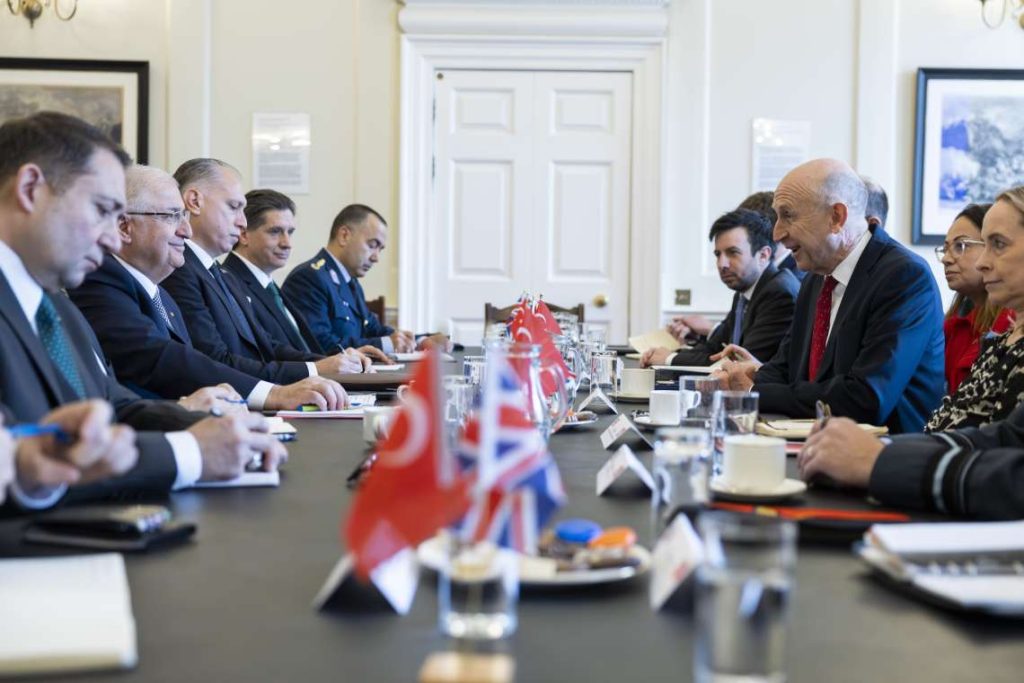
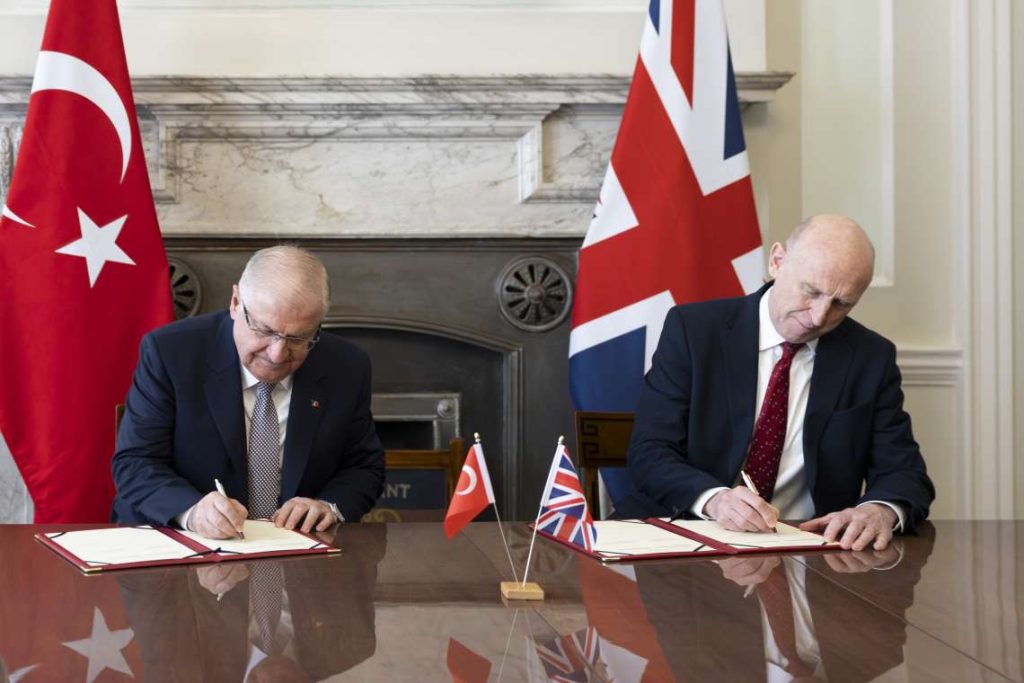
The United Kingdom and Türkiye have taken a significant step forward in their defence partnership by signing a major technical support and training agreement for the Eurofighter Typhoon programme in London. The deal marks the next phase of a landmark fighter jet agreement first reached in October 2025 and underscores growing strategic alignment between the two NATO allies.
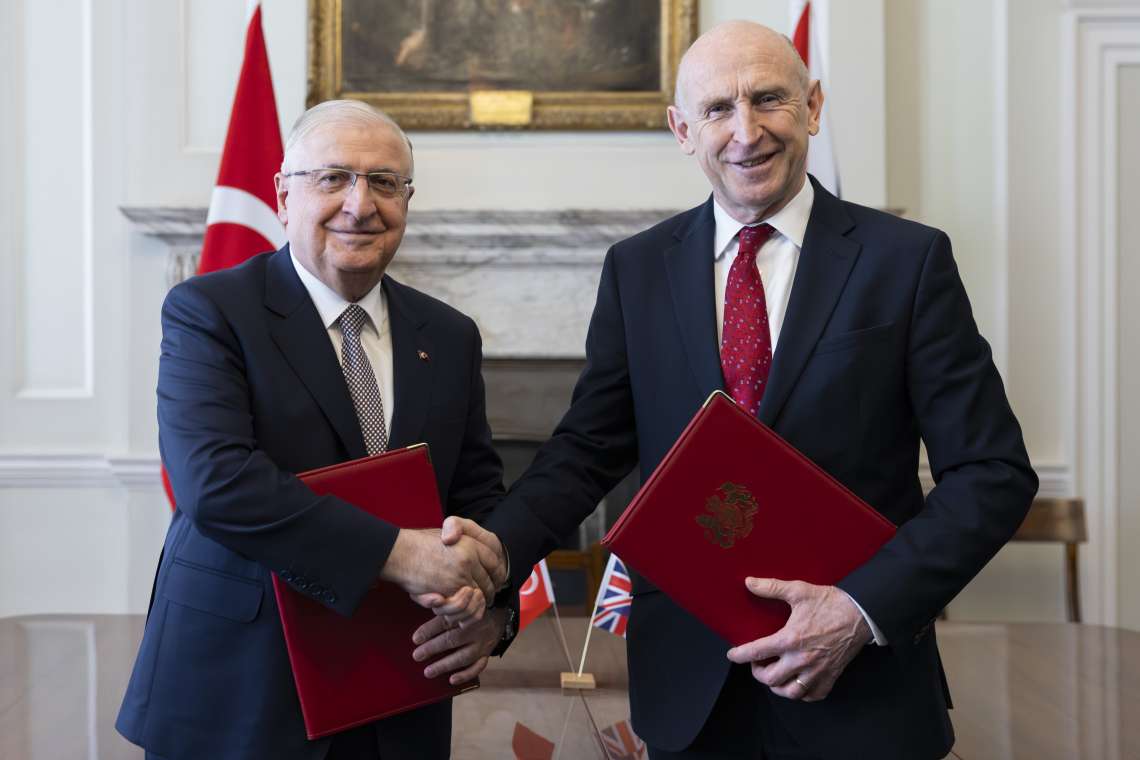
The agreement was formalised between Defence Secretary John Healey and Turkish Defence Minister Yaşar Güler, outlining extensive UK-led training for Turkish Air Force personnel alongside logistical and technical support for the advanced aircraft.
Training and Capability Expansion
Under the terms of the deal, 10 Turkish pilots and nearly 100 ground crew technicians will undergo specialist training in the UK. The programme covers a wide range of expertise, including mechanical systems, avionics, weapons handling, and mission operations, ensuring Türkiye can fully operate and maintain the Typhoon fleet.
The agreement also includes provision of high-tech training simulators, spare parts, and ongoing engineering support. British defence firms will play a central role in delivering these capabilities, reinforcing the UK’s position as a global leader in aerospace technology.
Officials say the training programme represents a crucial operational milestone, enabling Türkiye to integrate the Typhoon into its air force while strengthening interoperability within NATO forces.
Boost for British Industry
The deal is expected to deliver a substantial economic boost across the UK’s defence sector. More than a third of every Typhoon aircraft is built in Britain, with key production sites located in Scotland, Lancashire, and Bristol.
Major companies involved in the programme include BAE Systems, Leonardo UK, MBDA, Rolls-Royce, and Martin-Baker. Together, they support a vast supply chain of around 330 UK companies.
The Typhoon programme is currently sustaining approximately 20,000 skilled jobs nationwide. This includes nearly 6,000 roles at BAE Systems sites in Warton and Samlesbury, where final assembly of the Turkish jets will take place. Additional employment is supported in the South West through Rolls-Royce’s engine production in Bristol and in Scotland, where Leonardo develops advanced radar systems.
Strategic Importance for NATO
Türkiye’s acquisition of Typhoon jets is expected to strengthen NATO’s combat air capabilities, particularly along its eastern flank. As regional security challenges evolve, the addition of advanced multi-role fighter aircraft enhances both deterrence and collective defence.
Typhoon jets already play a key role in ongoing missions, including defensive operations in the Middle East, where they are used to protect UK personnel and allied forces. The integration of Turkish-operated Typhoons is likely to further enhance joint operational readiness within the alliance.
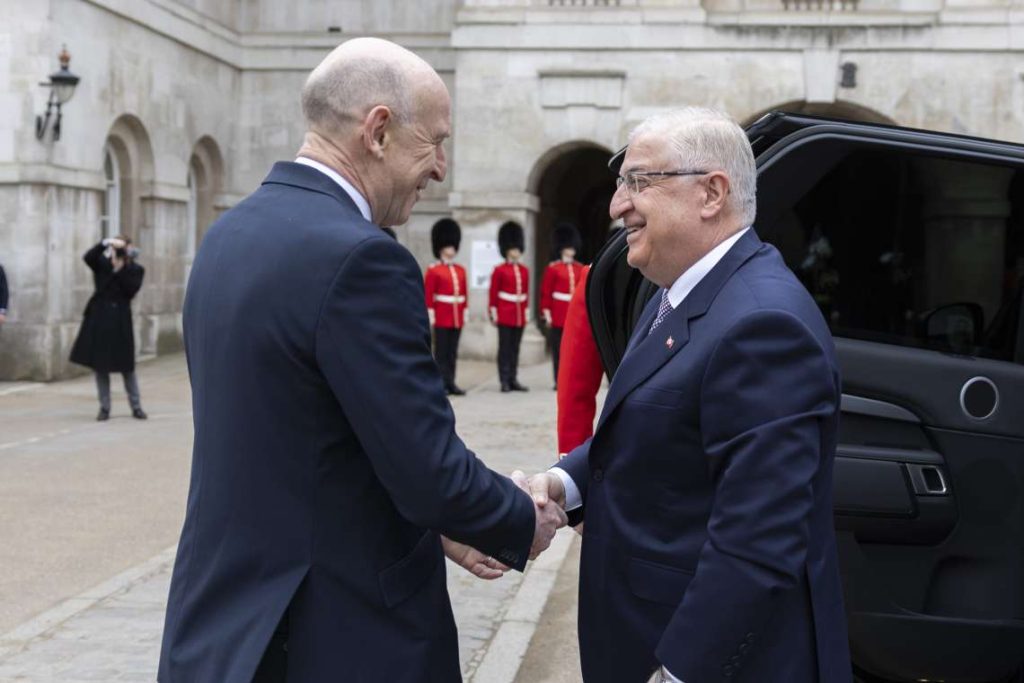
Speaking on the agreement, Defence Secretary John Healey said the partnership extends beyond defence exports. He described it as a demonstration of how military collaboration can “build alliances, grow the economy, and make NATO stronger.”
Industry leaders echoed this sentiment, highlighting the long-term benefits of the partnership. The deal is also seen as a strong endorsement of British aerospace engineering and manufacturing capabilities on the global stage.