Lead researcher Dr Lauren Blekkenhorst said earlier studies had shown a link between higher intake of cruciferous vegetables and a lower risk of cardiovascular events, but the underlying reasons were unclear
They may not top everyone’s list of favourite foods, but broccoli, Brussels sprouts and cabbage could play a powerful role in protecting heart health.
A study published in the British Journal of Nutrition has found that older women who consume higher amounts of cruciferous vegetables have less severe blood vessel damage. Researchers from Edith Cowan University’s School of Medical and Health Sciences and The University of Western Australia analysed data from 684 older Western Australian women recruited in 1998.
The findings revealed that women whose diets included more cruciferous vegetables were significantly less likely to have extensive calcium build-up on their aorta — a major blood vessel and a key marker of structural blood vessel disease. Such calcification can restrict blood flow and is a leading contributor to heart attacks and strokes.
Lead researcher Dr Lauren Blekkenhorst said earlier studies had shown a link between higher intake of cruciferous vegetables and a lower risk of cardiovascular events, but the underlying reasons were unclear.
“Our findings provide insight into the potential mechanisms involved,” she said. “We have now found that older women consuming higher amounts of cruciferous vegetables every day have lower odds of having extensive calcification on their aorta.”
One nutrient drawing particular interest is vitamin K, which is found abundantly in cruciferous vegetables and may help inhibit the calcification process in blood vessels.
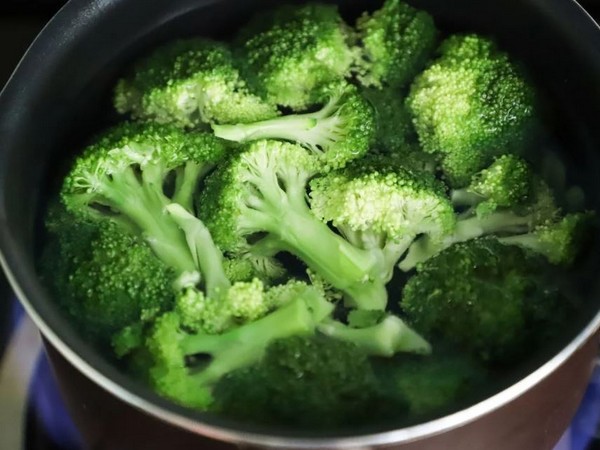
The study showed that women who consumed more than 45 grams of cruciferous vegetables daily — roughly a quarter cup of steamed broccoli or half a cup of raw cabbage — were 46 per cent less likely to have significant aortic calcification compared to those who consumed little to none.
Experts caution that no single vegetable is a cure-all. A varied diet rich in vegetables, fruit, whole grains, lean proteins and healthy fats remains essential for overall wellbeing.
With heart disease remaining a leading cause of death and poor diet contributing substantially to its burden, researchers say simple dietary changes — including adding more greens to the plate — could make a meaningful difference.