The symptoms of Ebola typically appear between 2 and 21 days after exposure. Early symptoms include sudden fever, fatigue, muscle pain, headache, and sore throat
Ebola virus disease is a severe illness in humans caused by the Ebola virus. It was first identified in 1976 in outbreaks near the Ebola River region in Central Africa. Since then, sporadic outbreaks have occurred mainly in parts of Africa, drawing global attention due to the disease’s seriousness and the challenges involved in controlling its spread.
Ebola spreads through direct contact with the blood, bodily fluids, or tissues of an infected person or animal. It can also spread through contaminated objects such as needles, clothing, or medical equipment. It does not spread through air, water, or food in the way many common infections do, which means transmission can be reduced significantly with proper hygiene and infection control measures.
The symptoms of Ebola typically appear between 2 and 21 days after exposure. Early symptoms include sudden fever, fatigue, muscle pain, headache, and sore throat. As the illness progresses, symptoms may worsen and include vomiting, diarrhoea, rash, and in some cases, internal or external bleeding. Because early symptoms resemble other common illnesses, laboratory testing is required for confirmation.
There is currently no widely approved specific cure for Ebola, but early medical care improves the chances of survival. Treatment focuses on supportive care such as maintaining hydration, managing symptoms, and treating complications as they arise. Experimental treatments and vaccines have been developed and used during outbreaks under controlled conditions, but access may vary depending on the situation and region.

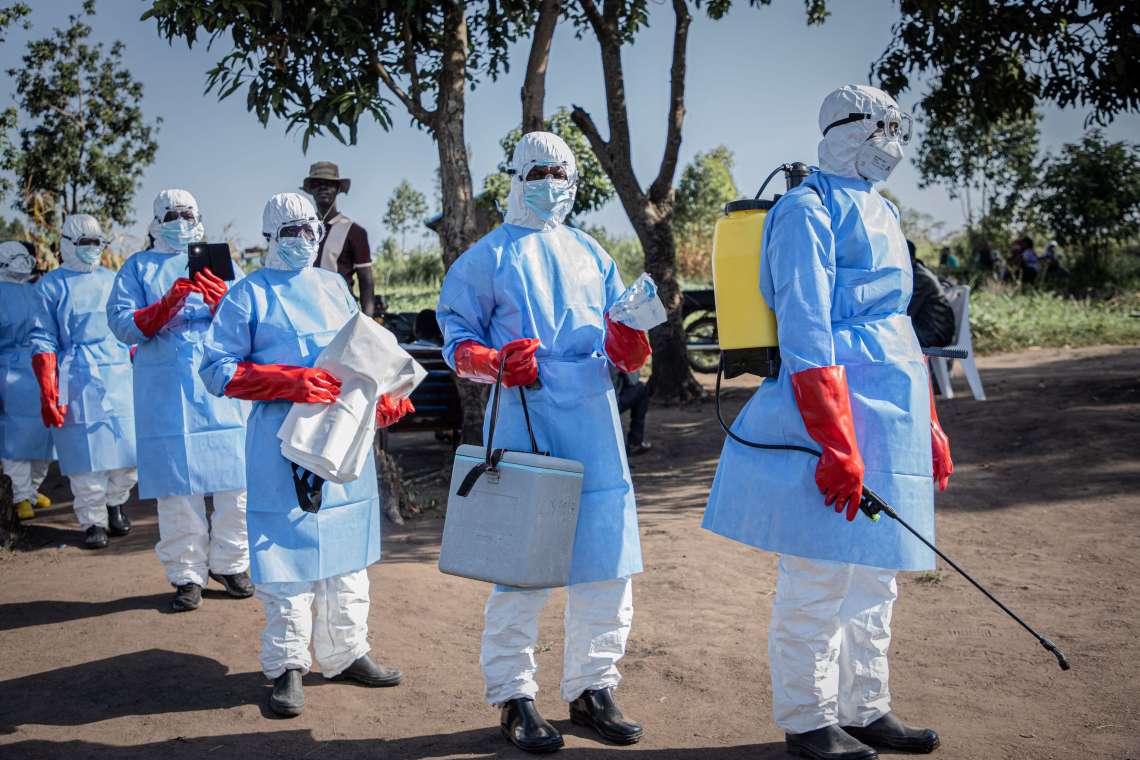
Prevention is key in controlling Ebola outbreaks. Healthcare settings follow strict infection prevention protocols, including protective clothing and safe handling of medical equipment. Isolation of infected individuals and careful monitoring of those who may have been exposed are also important steps. Safe burial practices are essential, as the virus can remain present in the body after death.
Public awareness plays a major role in controlling the spread of Ebola. Understanding how the virus is transmitted helps reduce fear and misinformation and encourages timely reporting of symptoms. Community cooperation with health authorities is essential during outbreaks to ensure rapid response and containment.
While Ebola is a serious disease, outbreaks can be controlled through coordinated public health measures, early detection, and strong community awareness. Staying informed and following official health guidance are the most effective ways to reduce risk and protect communities.