The luxury lies in not having to overthink. In not changing clothes three times a day. In looking put-together without sacrificing ease
Luxury in Indian fashion was once defined by spectacle — intricate embroidery, opulent fabrics, dramatic silhouettes and garments that announced themselves before you did. Discomfort was part of the bargain. Restrictive cuts, heavy materials and high-maintenance detailing were accepted as the price of aspiration. Luxury, after all, was meant to be admired, not necessarily lived in.
Today, that definition is being quietly rewritten by urban Indian women. The most coveted pieces are no longer the loudest or most ornate. They are the ones that can be worn repeatedly, comfortably and across contexts without elaborate styling. Wearability is emerging as the new marker of luxury.
This recalibration mirrors how women in metropolitan India are living. A typical day may stretch from a morning workout to back-to-back calls, a café meeting, errands and an evening gathering. Each setting carries its own unspoken dress code. The traditional solution — multiple outfit changes or meticulous planning — feels impractical for women balancing work, ambition and social lives in fast-paced cities.
What they want instead are transitional pieces: a co-ord set that works for a presentation and a gallery opening, a dress polished enough for a client lunch yet relaxed enough for brunch, a jacket that adds structure without corporate rigidity. The luxury lies in not having to overthink. In not changing clothes three times a day. In looking put-together without sacrificing ease.
This has led to the gradual erosion of occasion-specific dressing. Previous generations maintained clearly segmented wardrobes — workwear, festive wear, weekend clothes and special-occasion outfits reserved for rare outings. Today’s urban consumer increasingly rejects such compartmentalisation. Smaller living spaces and evolving lifestyles encourage streamlined wardrobes built around versatile pieces that blur boundaries.
Comfort, once seen as secondary to style, is now a status symbol. The ability to move freely, sit comfortably, breathe easily and stay polished from morning to night represents a new kind of affluence. Structured silhouettes that allow mobility, fabrics that breathe and thoughtful detailing that adds interest without weight are redefining what premium fashion looks and feels like.
Economics also play a role. As financial independence grows, so does discernment. Cost-per-wear often outweighs the initial price tag. A versatile ₹6,000 co-ord worn weekly delivers more value than a ₹15,000 dress worn once. Investment dressing is less about logos and more about longevity.
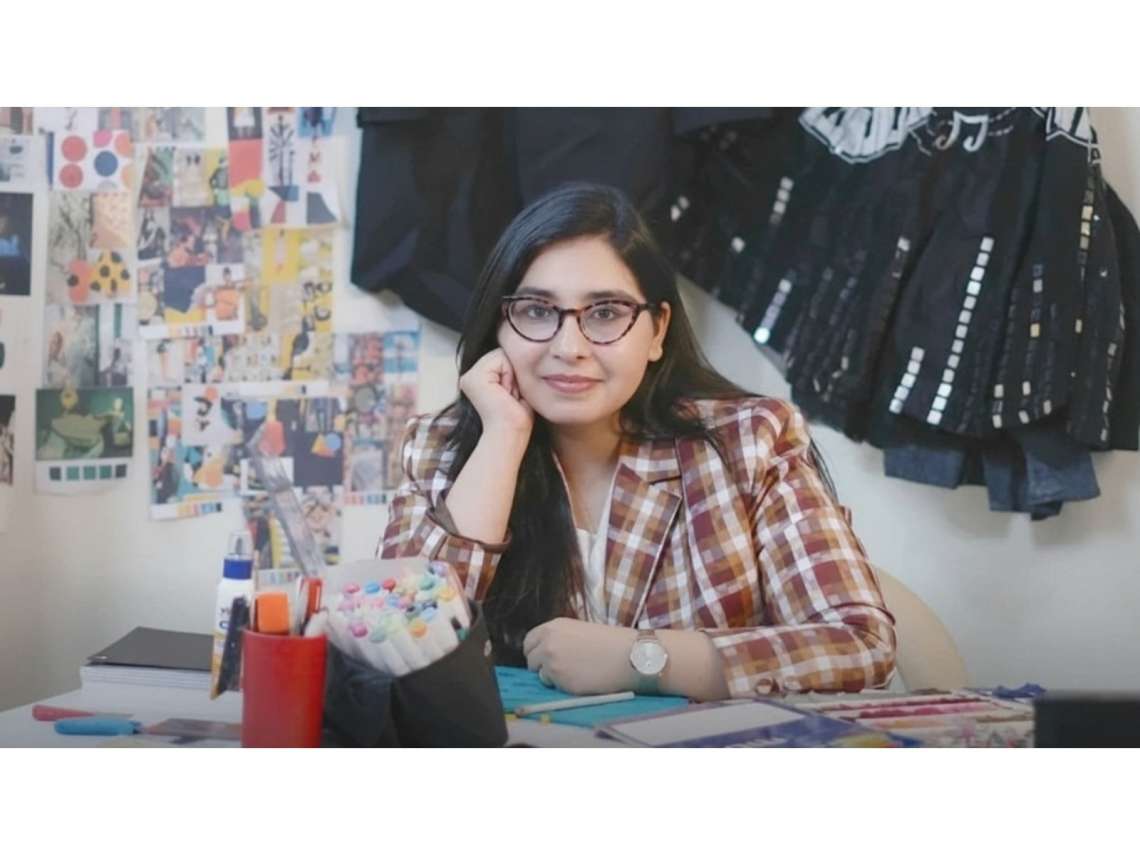
Brands are responding. Label By Mohita, founded by fashion educator Mohita Purswani, has positioned itself around “no seasons, all style”, offering versatile co-ords, dresses, denim and jackets priced between ₹2,399 and ₹8,950. With monthly sales reportedly between ₹30-40 lakhs and steady growth, the brand reflects a wider shift toward thoughtful, wearable design over spectacle.
Even Instagram’s influence is evolving. Instead of relentless newness, many women now celebrate repeat styling and realistic wardrobes. The aspiration is no longer a closet of dramatic one-offs, but a curated collection that works for real life.
In this new calculation, luxury is not about garments you endure. It is about clothes that serve you — seamlessly, comfortably and repeatedly.