Eid in India is a celebration of togetherness, tradition, and, most importantly, food. Across the country, families and friends gather to break the fast with a lavish spread of aromatic biryanis, rich curries, sweet desserts, and festive snacks. While each region has its unique culinary signature, a few classic dishes make an appearance in almost every household during Eid.
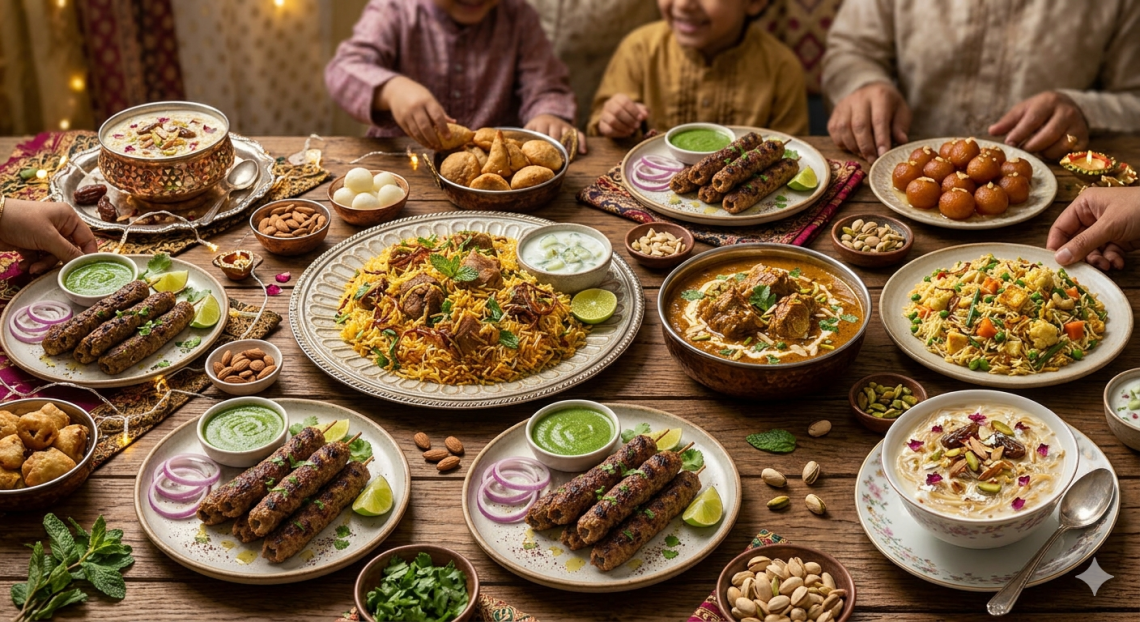
A quintessential starter is seekh kebab, spiced minced meat skewers grilled to perfection. Often served with mint chutney and onion rings, these smoky, juicy kebabs are an irresistible treat for guests. Another popular choice is mutton or chicken korma, a slow-cooked curry infused with yoghurt, cream, and fragrant spices, bringing warmth and depth to the main course.
No Eid feast is complete without biryanis. From Hyderabad’s iconic dum biryani with saffron-scented rice layered over tender meat, to Lucknowi Awadhi biryani with subtle aromatic notes, biryanis are both a feast for the eyes and the palate. For vegetarian households, dishes like paneer makhani or vegetable pulao ensure everyone has a plate full of flavour.
On the sweeter side, sheer khurma—a vermicelli pudding cooked in milk with dates, nuts, and cardamom—takes pride of place at the dessert table. Other indulgences include gulab jamun, rasgulla, and the crunchy shahi tukda, bread pudding soaked in saffron-scented syrup and garnished with nuts.
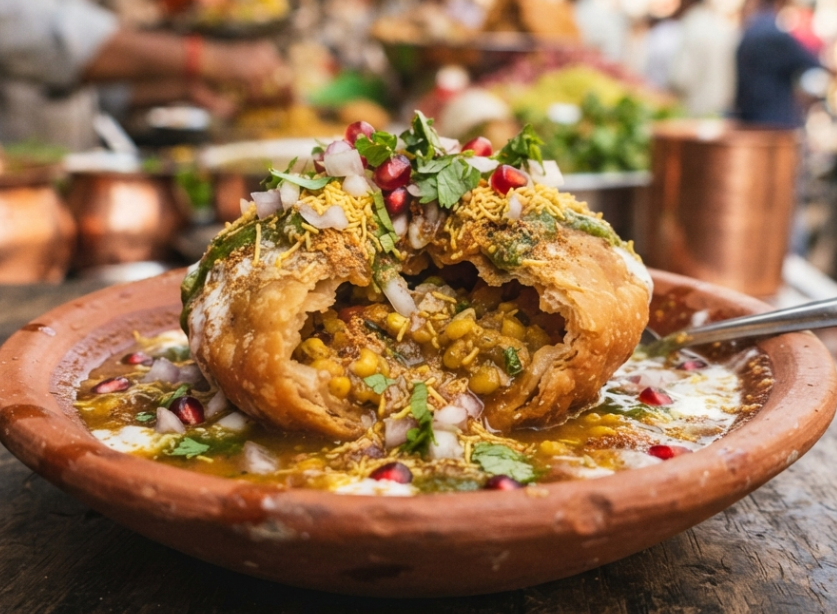
Street-inspired snacks also make their way to the table. Nihari samosas, mini kachoris, and spicy pakoras are perfect for nibbling before the main feast, while falooda, a rose-scented milk dessert with vermicelli and basil seeds, offers a refreshing end to a rich meal.
Eid in India is as much about culinary artistry as it is about celebration. Whether enjoyed at home with family or at communal gatherings, these dishes reflect the diversity and richness of Indian cuisine. Every bite tells a story of heritage, devotion, and togetherness—an edible expression of the festive spirit.