Child abuse in Pakistan remains pervasive, spanning physical, sexual, and emotional violence, as well as widespread exploitation through child labour and trafficking, writes Dr Sakariya Kareem
On February 2, 2026, in what appears to be one of Pakistan’s most alarming and far‑reaching child‑exploitation cases, the National Cyber Crime Investigation Agency (NCCIA) uncovered a sprawling online network after arresting a Rawalpindi man allegedly involved in trapping and blackmailing minors through fake social‑media identities. Investigators recovered more than 600 indecent videos of children from his devices, revealing a pattern in which he posed as a girl on Instagram to lure boys, record explicit material, and then threaten to leak it unless they sent more. The inquiry found he had targeted multiple minors using the same method and was in active contact with accomplices to share, buy, and sell child sexual abuse material. The case exposes the terrifying scale of online child exploitation in Pakistan and the ease with which predators can manipulate and harm children through digital platforms.
Just weeks prior in what appears to be the most extensive cases of child abuse uncovered in Karachi, police arrested a suspected serial predator whose alleged crimes span several years and dozens possibly even more than a hundred young victims. Taken into custody on January 17, 2026 in Surjani Town, the man is accused of abducting boys aged 10 to 14 from different neighbourhoods, assaulting them, and returning them to the same locations. DNA evidence has already linked him to at least seven cases between 2020 and 2025, while multiple children have identified him. The staggering scale of the allegations, combined with years of undetected offences, has triggered a major police investigation and public condemnation from Sindh’s leadership, exposing once again how deeply vulnerable children remain and how easily such crimes can go unnoticed in Pakistan’s largest city.
At the recent Berlin International Film Festival held over 12 – 22 Feb, the Pakistani animated series “Super Sohni” received special recognition for its bold approach to a subject long shrouded in silence. The series, designed for school audiences, confronts child sexual abuse through the story of a fearless young girl. As Pakistan’s first animated superhero dedicated to protecting children, Super Sohni doesn’t battle cosmic villains or wear a cape; she helps children recognise abuse, assert boundaries, and find the courage to speak up.
By grounding the subject in accessible, culturally rooted storytelling, the creators have carved out a space that almost never exists in Pakistan’s public discourse. It is a deeply troubling reminder of just how widespread and how chronically under‑reported child sexual abuse is across the country, where thousands of cases surface each year while countless more remain hidden.
In June 2025, police in Muzaffargarh, Punjab, uncovered yet another horrifying child‑pornography case, revealing that several young children had been targeted, abused, and secretly filmed inside a gaming club that had become a trap for minors. According to investigators, the suspect exploited multiple children from Sardarabad village by using the recorded abuse to blackmail them, a pattern that only came to light when one terrified victim finally reached out for help.
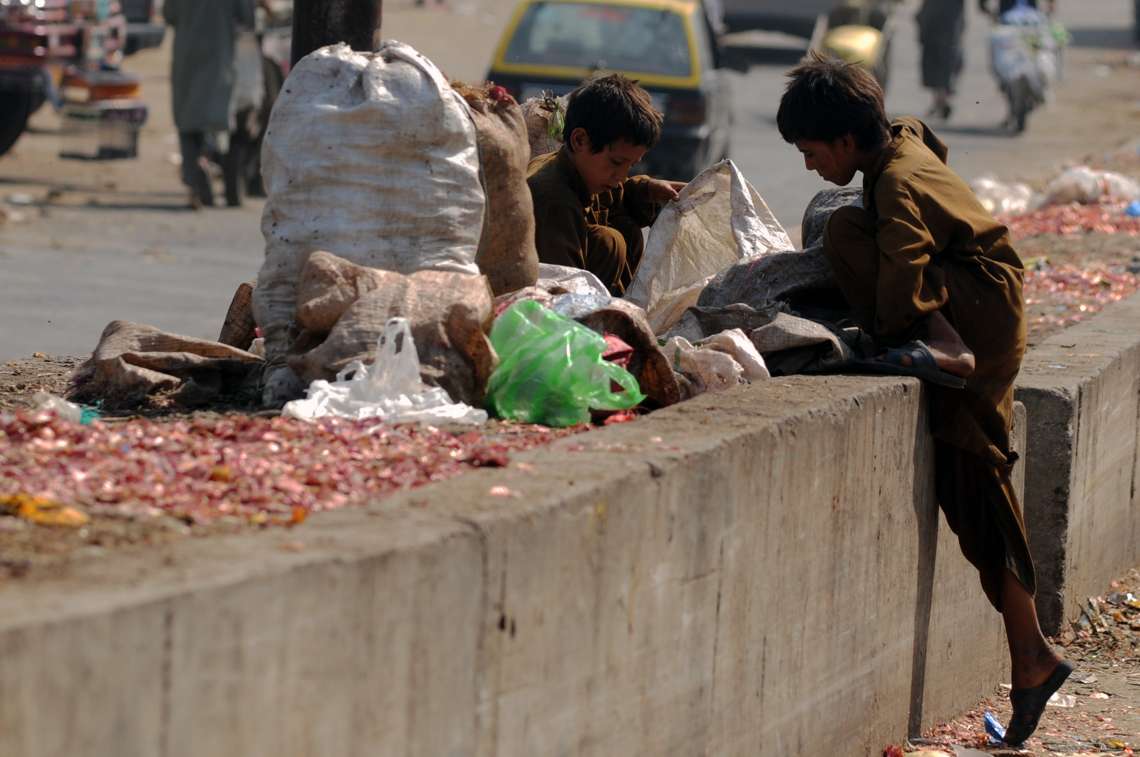
Child abuse in Pakistan remains pervasive, spanning physical, sexual, and emotional violence, as well as widespread exploitation through child labour and trafficking. Despite existing laws, entrenched stigma, weak enforcement, and cultural barriers continue to suppress reporting, leaving thousands of cases hidden each year. The NGO Sahil has repeatedly warned of the scale of the crisis: in 2023, its data showed that an average of 12 children one every two hours were sexually abused daily, with most victims between the ages of six and fifteen and boys outnumbering girls. Sahil’s 2025 figures indicate that the pattern has not improved, with thousands of cases documented nationwide and a continued rise in online exploitation, abductions, and assault, underscoring how deeply vulnerable children remain. As Sahil’s legal coordinator Imtiaz Ahmad Soomrah has noted, nearly half of all reported cases fall within the six‑to‑fifteen age bracket, a stark reminder of how young the victims are and how widespread the threat has become across both urban and rural Pakistan.
A fact sheet released on November 25, 2025, paints a devastating picture of child protection in Punjab, where over 4,150 cases of violence against children were reported in just the first six months of 2025. Compiled by the Sustainable Social Development Organisation (SSDO) using district‑level police data, the findings show that an average of 23 children face violence every single day in the province. Yet despite thousands of FIRs and challans, convictions remain almost nonexistent: only 12 across all categories. Sexual abuse alone accounted for 717 cases with zero convictions. Trafficking, labour exploitation, physical abuse, kidnapping, and child marriage all showed similarly bleak outcomes, with most cases stuck in trial and many crimes severely underreported. Lahore, Gujranwala, Faisalabad, Rawalpindi, and Sialkot emerged as major hotspots, underscoring systemic failures in prevention, investigation, and prosecution.
Despite legislative steps such as the Zainab Alert, Recovery and Response Act of 2020 and the expansion of child protection courts in Khyber Pakhtunkhwa in 2021, Pakistan continues to see alarmingly low conviction rates in child abuse cases. The problem lies less in the absence of laws and more in the systemic failures that follow. Investigative processes are often weak, inconsistent, or poorly supervised, leading to flawed evidence collection and cases that collapse in court. Committees reviewing high‑profile incidents have repeatedly concluded that several children might have been saved had police taken earlier complaints seriously. Investigations frequently lack proper follow‑up, resulting in weak prosecution and acquittals.
Equally damaging is the culture of silence surrounding abuse: children often hide what happened out of fear, shame, or the belief that they will be blamed. This mindset is reinforced by societal attitudes such as those captured in the documentary ‘Pakistan’s Hidden Shame,’ where a victim’s own family member suggests that “bad things happen to bad people.” Girls are discouraged from speaking out to “protect family honour,” while boys, shaped by toxic masculinity, fear being seen as weak.
While laws such as the 2017 Sindh Prohibition of Employment of Children Bill technically criminalise child prostitution with severe penalties, enforcement in places like Mauripur is almost nonexistent. Within the sprawling truck stand on Karachi’s western edge, an entrenched culture of exploitation thrives openly: child apprentices endure underage labour, routine violence, and sexual abuse that is treated as a “normal” part of the driver‑apprentice relationship. This normalisation allows police to look the other way, even as multiple drivers exploit boys and sometimes share access to them. For children refusal brings beatings, threats, and the constant fear of being exposed to their families leverage that keeps them trapped in the sexual abuse. The result is a system where abuse is widespread, widely known, and yet almost never investigated or prosecuted.
Every few years, child abuse in Pakistan is thrust back into the spotlight when hashtags like #JusticeForZainab, #JusticeForRizwana, or #JusticeForFatima erupt across social media, forcing the nation to confront yet another horrific case. Mainstream media follows with intense coverage, and public outrage pushes authorities to take action against the alleged perpetrators. But these moments of national grief and anger only underscore a grim truth: whether in the federal capital or in Khairpur, minors remain unsafe across the country. Despite the long‑standing prevalence of child abuse, Pakistan has yet to make meaningful progress toward ensuring children a secure, dignified childhood one free from abuse.