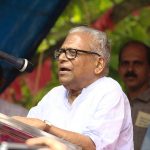
Kerala heads into an intense April election with alliances under strain, familiar faces back in the fray, and voters weighing everyday issues over big promises, writes Aravind Rajeev
Kerala heads into the April 9 assembly election with the familiar LDF versus UDF contest intact, but this time the fight is shaped as much by internal tensions as by ideological differences. With 140 seats at stake and a majority mark of 71, the election is less about alliances on paper and more about how effectively each front manages its own contradictions.
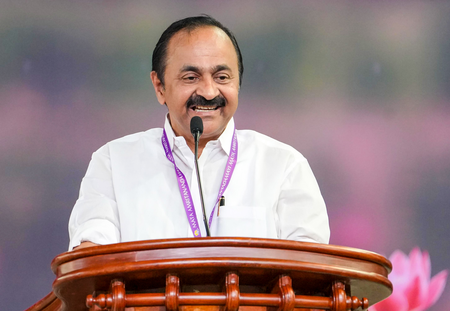
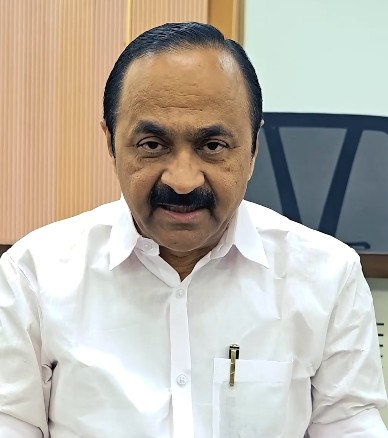
The ruling Left Democratic Front, led by Chief Minister Pinarayi Vijayan, is attempting an unprecedented third consecutive term. The Congress-led United Democratic Front, headed by Opposition leader VD Satheesan, believes the political cycle has turned.
Seat war erupts
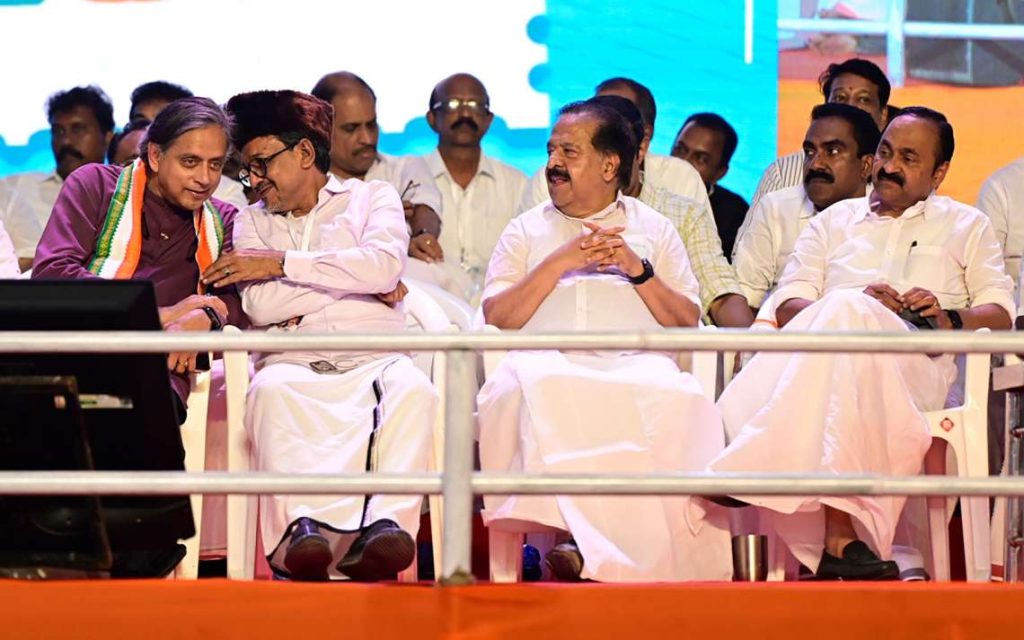
Seat-sharing has exposed fault lines on both sides. Within the Congress, negotiations have been shaped by factional pulls, with the camp aligned to KC Venugopal playing a decisive role in candidate selection, at times overriding Satheesan and senior leader Ramesh Chennithala.
The Congress has initially released its first list of 55 candidates, including several sitting MLAs and senior leaders, but key seats initially remained undecided and some prominent faces were dropped, reflecting intense internal bargaining rather than a settled strategy.
The party has since moved to firm up its line-up by announcing a second list of 37 candidates, taking the total to 90-plus seats, signalling that most of the earlier uncertainty has been addressed, though the selections have also exposed internal adjustments, including the decision to keep sitting MPs out of the fray and manage dissent within the ranks.
Satheesan has publicly dismissed the idea of disunity, saying candidate selection is based on “winnability, not group interests.” At the same time, he has set an ambitious target: the UDF “will return to power with over 100 seats.”
Within the LDF, the CPI-M has largely held control of the process, deciding to contest around 86 seats while accommodating allies. State secretary MV Govindan confirmed that 56 sitting MLAs have been renominated and that Chief Minister Vijayan will again contest from Dharmadam.
The smaller allies have raised demands, but unlike the Congress, the Left has kept disagreements largely contained within party forums.
The LDF has opted for continuity. Renominating a large number of sitting MLAs, including ministers, signals confidence in its governance record but also risks fatigue after two terms in office.
Vijayan, addressing party workers recently, framed the election in simple terms: “Kerala must continue on its development path without interruption.”
The Congress has taken a more uneven route. While it has retained senior leaders, there have been visible delays and disagreements in finalising lists. The omission of certain incumbents and hesitation over fielding MPs suggests the party is still balancing generational change with internal power centres.
Chennithala has sharpened the attack line, accusing the government of financial mismanagement and corruption. “Kerala is in deep debt… people are paying the price,” he said.
BJP eyes battlegrounds
For the BJP-led NDA, the election is not about statewide victory but about relevance. The party has announced 47 candidates in its first list, including Rajeev Chandrasekhar, who will contest from Nemom, the only constituency the BJP has previously won in Kerala.
Chandrasekhar has framed the contest as a challenge to what he calls “alternating failure” between the LDF and UDF, positioning the BJP as a third option, though the numbers suggest a breakthrough remains difficult.
The NDA is also trying to build on its recent urban gains, including its win in the Thiruvananthapuram corporation, but translating that into assembly seats remains uncertain.
A wildcard in this election is the growing assertion of local outfits such as businessman Sabu M Jacob’s Twenty20 party, which has fielded candidates across multiple constituencies.
While unlikely to win large numbers, such candidates can cut into traditional vote banks, particularly in central Kerala, complicating close contests.
No clear frontrunner
Recent electoral data adds context to the contest. In the 2025 local body elections, the UDF secured a higher overall vote share than the LDF – 38.8 per cent against 33.4 per cent – suggesting a shift at the grassroots level.
Opinion surveys, though inconsistent, have indicated a competitive race. State Vote Vibe survey placed Satheesan slightly ahead of Vijayan as a preferred chief ministerial choice, though margins remain narrow.
The campaign is already sharpening around familiar issues, such s governance, welfare, unemployment and public debt, but also around more immediate controversies.
The Congress has accused the government of using state resources for political purposes, while the Left has countered by accusing the opposition of running a negative campaign without offering alternatives.
Govindan has defended the government’s record bluntly, stating that a change in government would “undo progress.”
At the same time, localised controversies, from candidate selections to community-level disputes, are playing out seat by seat, often outweighing broader narratives.
For all the noise, the election remains open. The LDF has the advantage of organisation and a stable leadership structure. The UDF has momentum from recent local elections and a sharper anti-incumbency pitch.
What is clear is that this election will not be decided by alliances alone. Candidate credibility, factional discipline and turnout in closely fought constituencies are likely to matter more than broad slogans.
Kerala’s electorate has historically alternated governments, a pattern broken in the last election. The question now is whether voters extend that shift or return to the state’s familiar cycle.