From sidelines to centre stage, women referees and players are reshaping World Cup history, breaking barriers and redefining football’s future legacy…writes Shelja Pallath
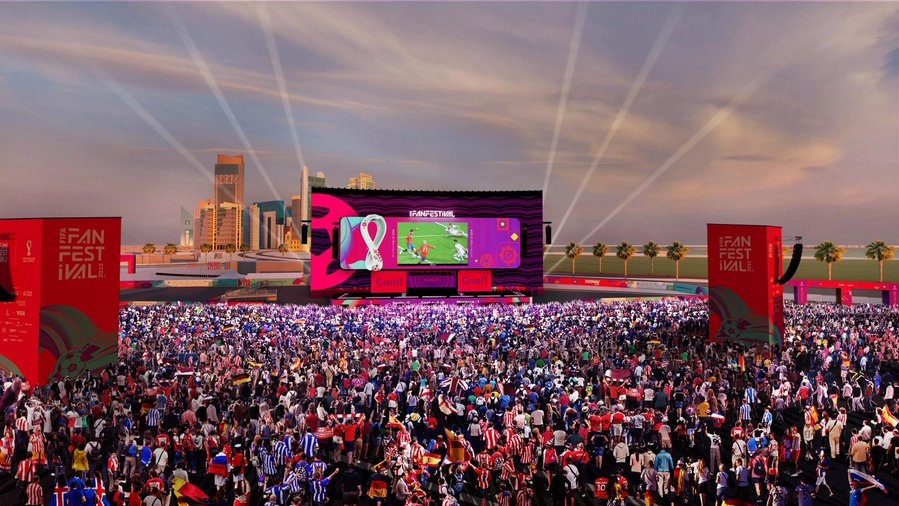
The very first FIFA World Cup game in history kicked off in the 1930s. For decades, the World Cup was a stage where women were mostly seen as fans, journalists and supporters rather than decision makers shaping the game. But in recent years, the biggest tournament is slowly rewriting the story. Women are no longer only the witnesses, but they are becoming the ones creating it.
Stéphanie Frappart of France and Katia Itzel García of Mexico are at the centre of this transformation. They are referees from different generations and continents, but their journeys represent how far the event has moved towards larger inclusion.

Frappart made her football defining moment in the 2022 FIFA World Cup in Qatar when she became the first woman to referee a men’s World Cup match. She was in charge of the group stage encounter between Costa Rica and Germany, leading an all-female officiating team alongside referees Neuza Back and Karen Díaz Medina.
Her entry was a barrier breaking moment built on years of progress. Before becoming a World Cup referee, Frappart had already achieved milestones by becoming the first woman to referee a French Ligue 1 match and the first woman to officiate a UEFA Champions League match. She has been receiving landmark appointments since 2010, and in her new role as a member of the UEFA Referees Committee, Frappart will contribute to strategic refereeing across Europe.When Frappart walked onto the field in Qatar, it was more than just another match. She became the first woman to take charge of a men’s World Cup game, carrying the hopes of many women referees who had waited years for such an opportunity. Every decision she made showed that refereeing at the highest level depended on skill and preparation, not gender.

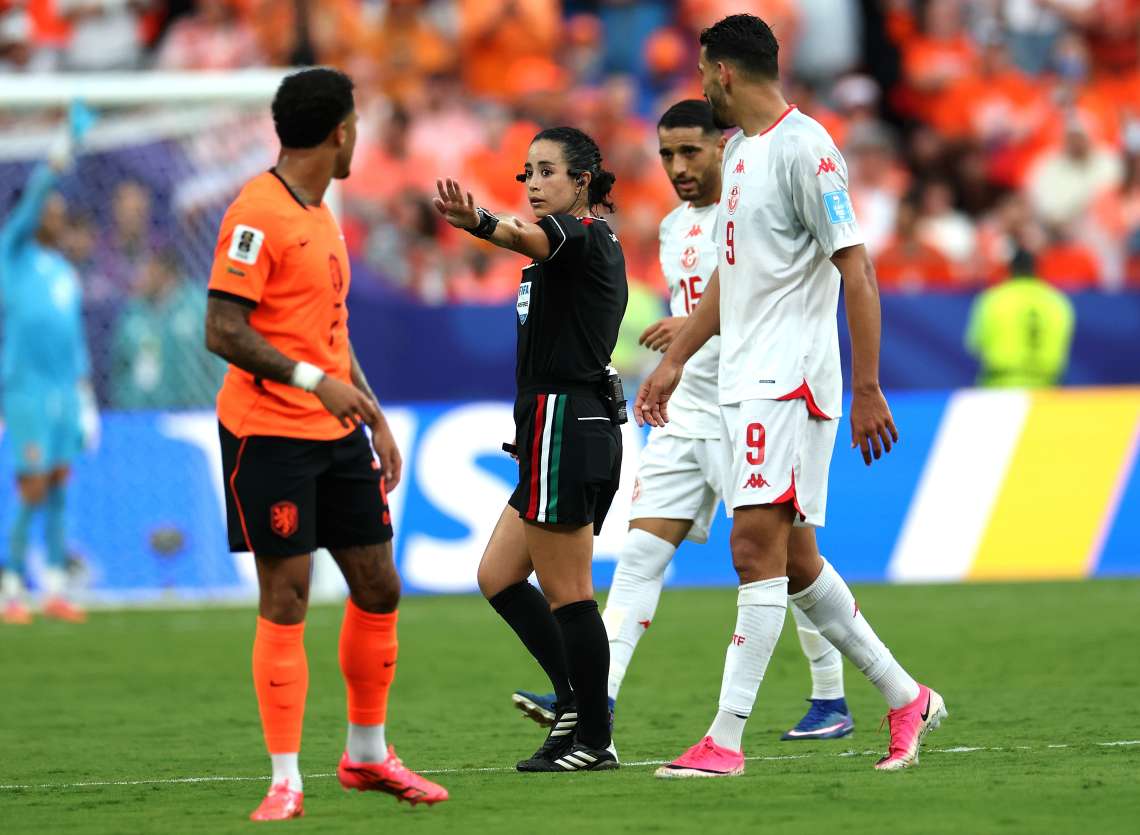
Katia Itzel García has emerged as another symbol of this changing era at the 2026 FIFA World Cup. Her appearance in this World Cup marked another historic moment as she became the first Mexican woman to officiate a men’s World Cup match.
For García, the journey carried a different meaning. As the first Mexican woman to referee a men’s World Cup match, her achievement represented not only a personal milestone but also a significant moment for women in Latin American football, a region where football culture has traditionally been dominated by men.

The presence of women referees at the World Cup itself is a historic change. In 2022, the tournament marked the first time FIFA appointed women referees for the men’s competition, with Rwanda’s Salima Mukansanga and Japan’s Yoshimi Yamashita also selected among the match officials.

Far beyond refereeing, Brazilian icon Marta is one of the greatest names in women’s football history. She has inspired young players around the world through her performances across multiple World Cups. She has scored 17 goals at FIFA World Cup tournaments, a record across both men’s and women’s competitions.Women are no longer only the witnesses; they are becoming the ones creating history.
From referees and players to coaches and analysts, women are increasingly occupying roles once considered unreachable in football. It represents a cultural change towards a game where talent, preparation and performance define opportunities.
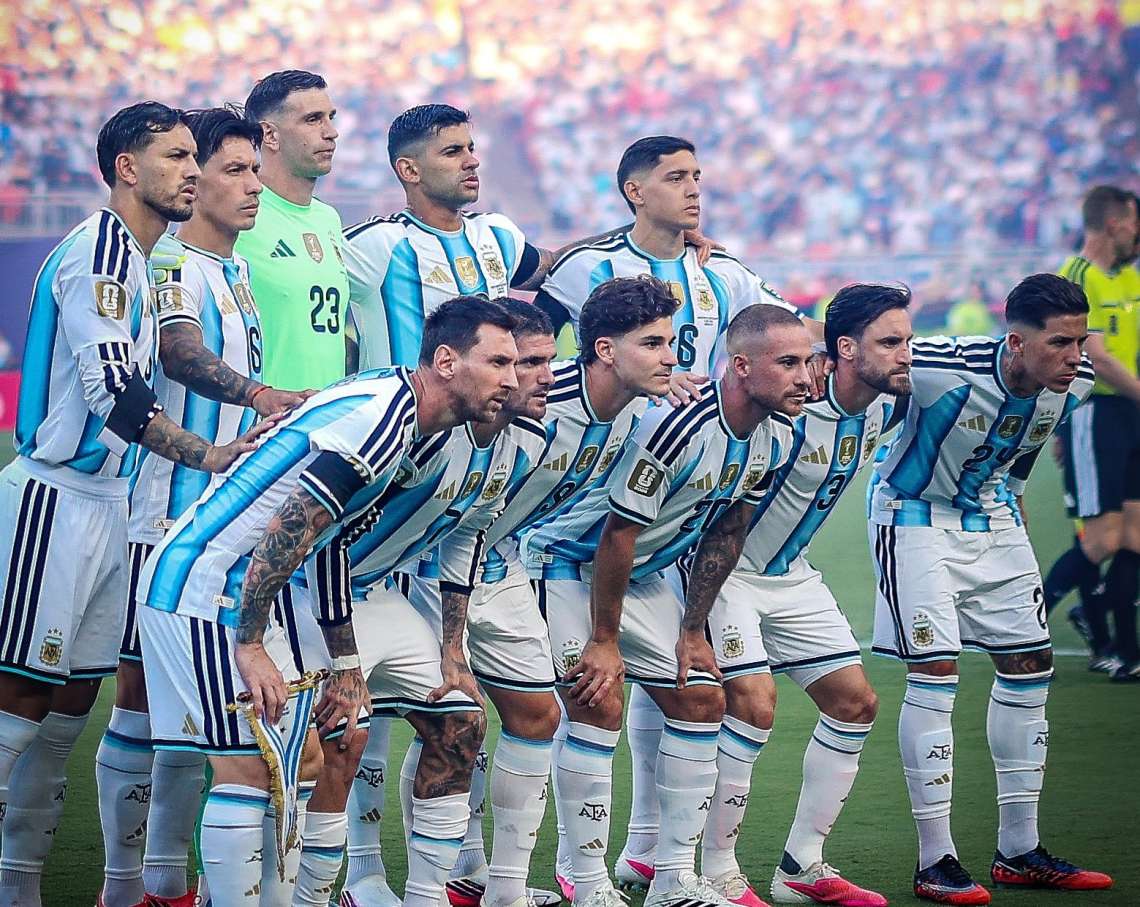
World Cups have always been places where legends are made. Officials like Frappart and García are proving that history is also created by heroes like them who break barriers, open doors and reshape the future of football.Football’s next chapter will not only remember Messi, Ronaldo and other great goal scorers, but it will also remember women like Frappart, García, Marta and Rapinoe who had the courage to change the game.