At the centre of the concerns is the United States, where the organisation says immigration enforcement policies under President Donald Trump have created a climate of fear….reports Asian Lite News
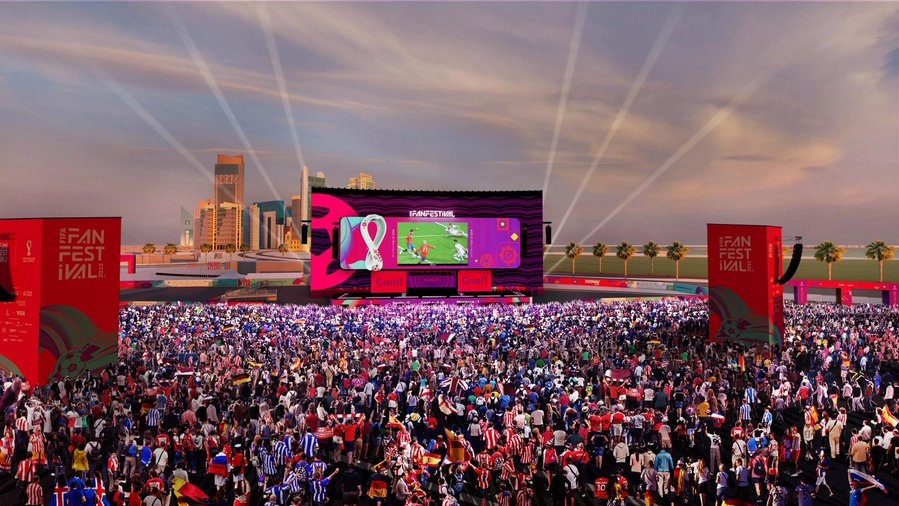
Millions of football fans travelling to the 2026 World Cup across Canada, Mexico and the United States could face serious human rights concerns, according to a new report by Amnesty International. The watchdog has raised alarm over immigration policies, restrictions on protest and broader security measures that could affect supporters, players, journalists and local communities during the tournament.
The expanded 2026 edition of the FIFA World Cup 2026 will be jointly hosted by the three North American nations, with the United States staging nearly three quarters of the matches. However, Amnesty’s 36 page report, Humanity Must Win: Defending rights, tackling repression at the 2026 FIFA World Cup, warns that the event risks being overshadowed by what it describes as a worsening human rights environment.
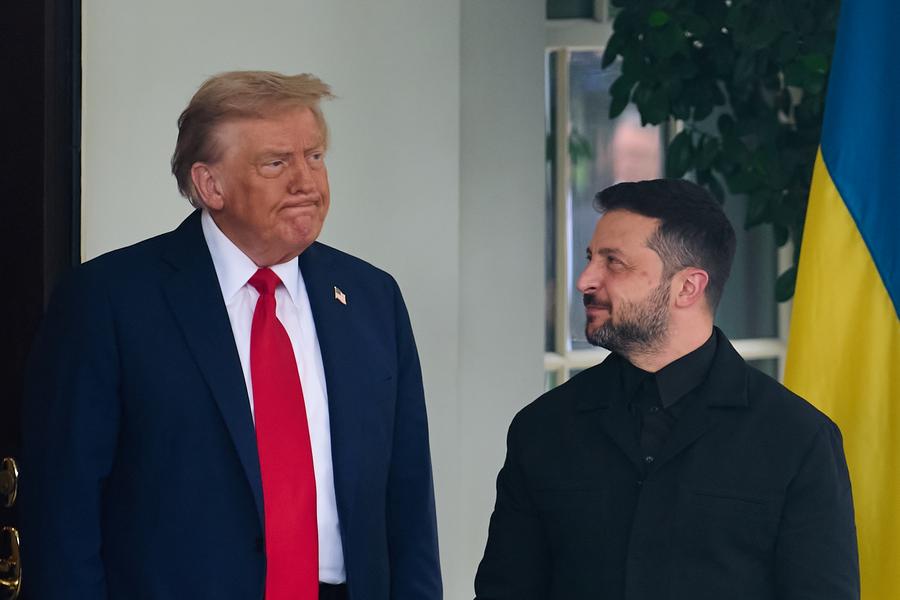
At the centre of the concerns is the United States, where the organisation says immigration enforcement policies under President Donald Trump have created a climate of fear. Amnesty claims that mass deportations, arbitrary detentions and aggressive enforcement by agencies such as Immigration and Customs Enforcement and Customs and Border Protection could directly impact fans travelling to or gathering within the country.
According to the report, more than 500,000 people were deported from the United States in 2025 alone. Amnesty argues that the scale of these actions has been enabled by weakened legal safeguards, raising concerns over due process and the rights of migrants and refugees.
Steve Cockburn, Amnesty International’s Head of Economic and Social Justice, said the current environment poses risks not only to vulnerable communities but also to visiting supporters. He warned that widespread enforcement operations and racial profiling could extend into World Cup host cities, potentially affecting fans attending matches or participating in public celebrations.
Several host cities in the United States have already been impacted by immigration crackdowns. In Los Angeles, federal authorities deployed thousands of National Guard troops in response to protests against immigration raids. Meanwhile, cities including Dallas, Houston and Miami have entered into agreements allowing local law enforcement to cooperate more closely with federal immigration authorities, a move Amnesty says could increase racial profiling and undermine public trust.
Travel restrictions also remain a key concern. Under current policies, fans from countries including Côte d’Ivoire, Haiti, Iran and Senegal may face significant barriers to entering the United States unless they secured visas before January 2026. Amnesty further warned about intrusive surveillance measures, including proposals requiring visitors to submit social media accounts for screening.
Beyond the United States, the report highlights additional risks in co host nations. In Mexico, authorities have mobilised around 100,000 security personnel, including military forces, in response to high levels of violence. Amnesty cautions that this heavy security presence could lead to the suppression of peaceful protests, particularly those planned by activist groups seeking justice for missing persons.
In Canada, concerns have been raised about the potential displacement of vulnerable populations. Drawing parallels with the 2010 Winter Olympics in Vancouver, Amnesty warned that preparations for the World Cup could exacerbate the housing crisis and push people experiencing homelessness further to the margins. In Toronto, a winter shelter was reportedly closed earlier this year after being pre booked for tournament related use.
The report also underscores broader threats to freedom of expression and peaceful assembly across all three host nations. Protests have already taken place in connection with global political issues and local grievances linked to World Cup infrastructure projects. Amnesty warns that authorities may respond with excessive force or restrictive measures, particularly given heightened security operations.
In the United States, the report highlights tensions surrounding protests related to the conflict in Gaza, with both foreign nationals and citizens facing crackdowns. Canada has also witnessed large scale demonstrations, some of which were dispersed by police. In Mexico, residents have protested against rising costs, land access issues and infrastructure developments tied to the tournament.
Amnesty argues that these developments raise serious questions about whether the World Cup can meet its stated goal of being a safe, inclusive and welcoming global event. The organisation also noted that only a small number of host cities have published detailed human rights plans, with limited assurances on protection from immigration enforcement or safeguarding the right to protest.
With just weeks to go before the tournament begins, Amnesty has called on FIFA and host governments to take urgent action. It has urged authorities to ensure that security measures respect fundamental rights, while also calling for clearer guarantees for fans, local communities and workers.
Concerns have also been raised by LGBTQI plus groups in Europe and the United Kingdom, with some expressing fears about their safety and visibility during the tournament.
Despite expectations of record revenues from the competition, Amnesty stressed that the benefits of the World Cup should not come at the expense of basic freedoms. The organisation concluded that safeguarding human rights must remain central to the tournament, warning that without meaningful action, the global spectacle risks being overshadowed by repression and inequality.