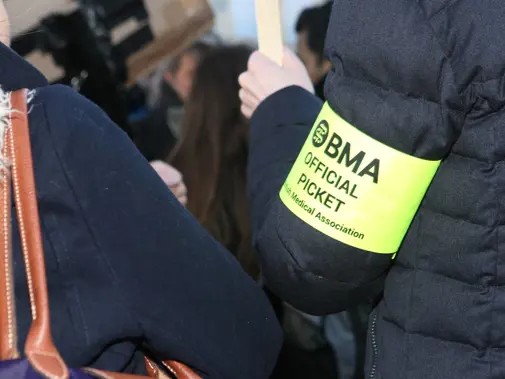
Starmer gives BMA 48 hours to call off England doctor strike or risk losing 1,000 new training posts, escalating pay dispute and NHS tensions, Newsdesk reports
Prime Minister Keir Starmer has given the British Medical Association (BMA) just 48 hours to call off a planned six-day strike by resident doctors in England, warning that failure to do so would see 1,000 new specialist training posts withheld. The strike, set to begin at 07:00 BST next Tuesday, marks the 15th walkout in the ongoing dispute that began in March 2023.
The government’s ultimatum comes after the BMA rejected a proposed deal offering a 3.5% pay rise this year, coverage of out-of-pocket expenses such as exam fees, and the creation of additional training posts. While the BMA insists the package fails to keep pace with inflation – which has eroded resident doctors’ pay by roughly 20% since 2008 – the government argues the offer is generous and unprecedented in recent years.
In an article for The Times, Starmer described the announcement of the strike as “reckless” and urged the union to put the deal to its members. He emphasised that walking away without a member vote would only harm doctors and patients alike, noting that “no one benefits from rejecting this deal.”
The threatened withholding of 1,000 training posts is tied to government plans for a total of at least 4,000 new specialty positions over the next three years. These posts are vital for doctors moving into specialist training in year three, a stage when competition is already fierce. Last summer, around 30,000 applicants vied for roughly 10,000 positions, highlighting the high demand and limited supply.
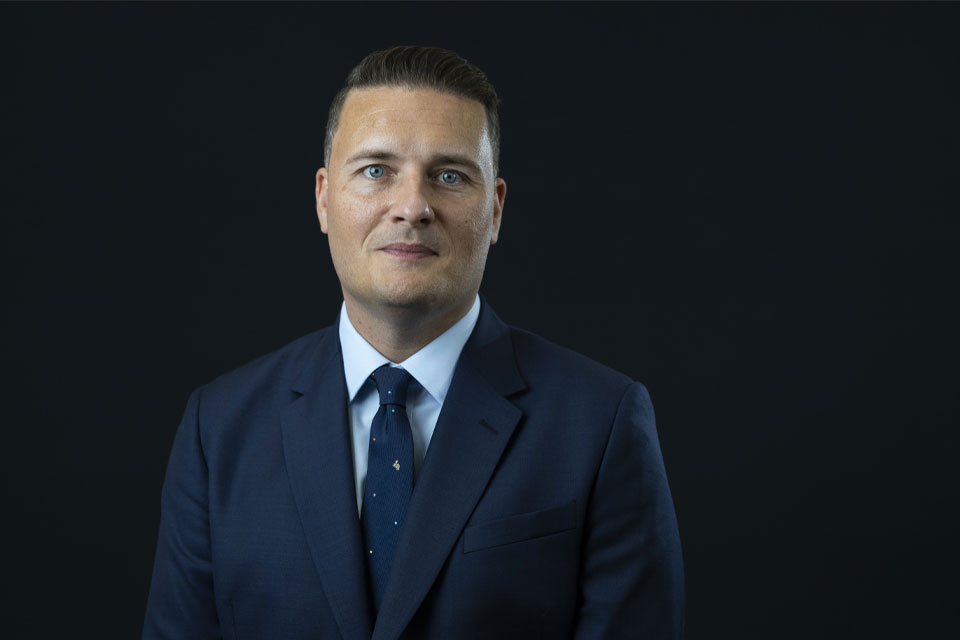
Health Secretary Wes Streeting defended the deal, pointing out that resident doctors have received nearly 30% pay rises over the past three years. He noted that experienced doctors would now earn a basic salary of £77,348, with average total earnings exceeding £100,000, while new graduates would earn on average £12,000 more annually than three years ago.
Despite these figures, Dr Jack Fletcher, chair of the BMA resident doctor committee, accused the government of “shifting the goalposts” and making threats at a time when the NHS is already under pressure. Speaking on BBC Radio 4’s Today Programme, he said, “This is clearly bad for patients. It is not a credible way to end the dispute. We need a real negotiation.” Fletcher added that reversing decades of pay erosion remains the union’s central demand.
The strike threatens to disrupt services across England, as resident doctors make up nearly half of all NHS medics and two-thirds are BMA members. Talks have been ongoing since January, following strikes in November and December last year, but disagreements over pay, working conditions, and training opportunities remain unresolved.
Transport for London and NHS officials are preparing contingency plans for potential service disruption, while unions continue to warn that limiting training posts could exacerbate staffing shortages in hospitals already under strain.
With the 48-hour deadline tied to the April opening of applications for specialist training posts, the government says Thursday is the last day these positions can be added to the system, giving doctors a narrow window to avert further escalation.