The debate resurfaced during Pakistan’s recent series against Australia, when all-rounder Cameron Green questioned Tariq’s method….reports Asian Lite News
Former India off-spinner Ravichandran Ashwin has publicly backed Pakistan’s Usman Tariq after the latter’s bowling action came under scrutiny during the ICC Men’s T20 World Cup, questioning why regulations in the modern game appear to weigh more heavily on bowlers than batters.
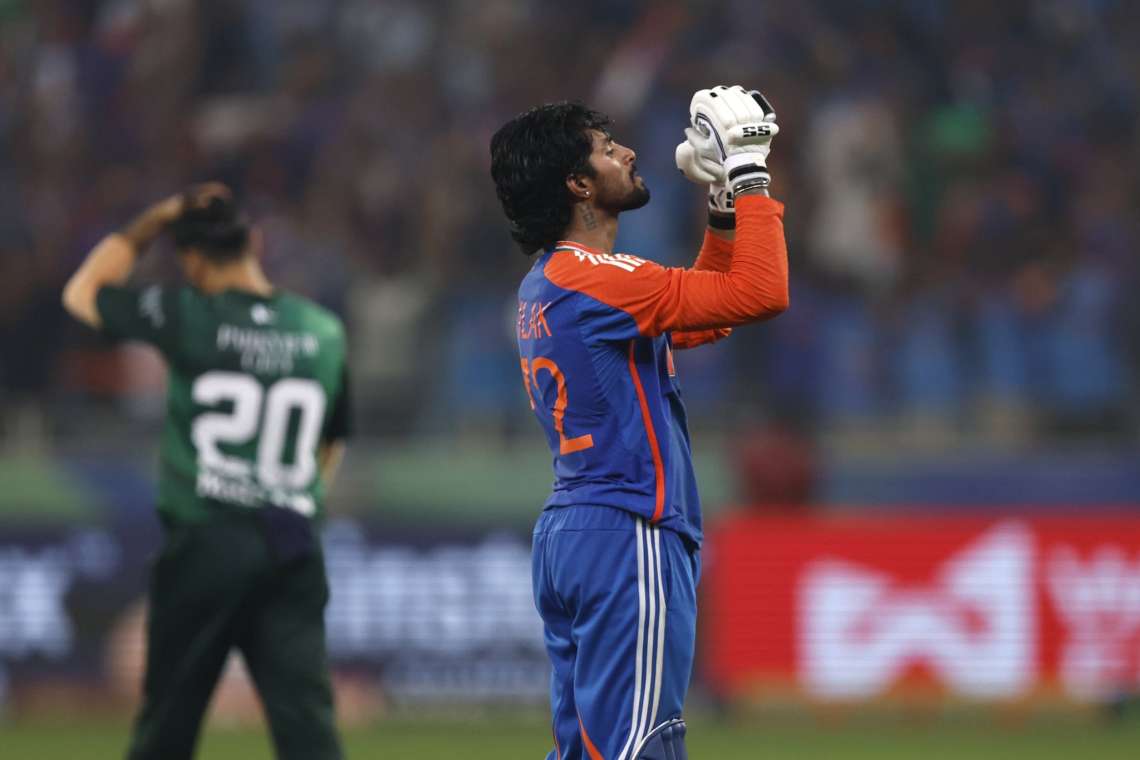
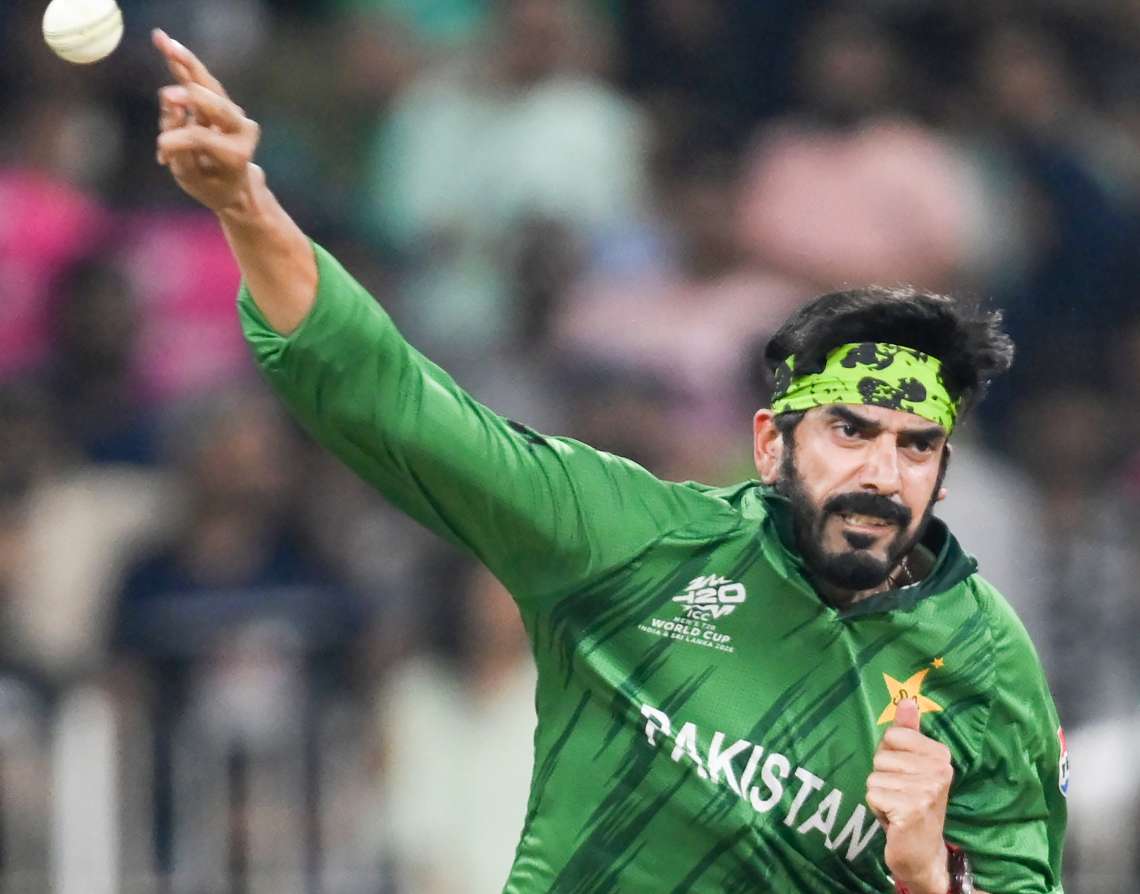
Tariq played a pivotal role in Pakistan’s Group A victory over the USA on Tuesday, returning impressive figures of 3-27 to seal his side’s second win of the tournament. Yet despite the match-winning spell, the spotlight quickly shifted from performance to legality, with debate erupting over his distinctive action.
The spinner, known for a noticeable bend in his arm and an unconventional run-up that includes a brief pause before delivery, has previously faced murmurs about whether his action would withstand formal biomechanical testing. The issue resurfaced prominently during Pakistan’s recent bilateral series against Australia, when all-rounder Cameron Green expressed reservations about Tariq’s method.
Fresh criticism emerged from former India cricketer Shreevats Goswami, who took to social media to question the legality of the pause in Tariq’s run-up. Drawing a comparison with football regulations that prohibit players from stopping during a penalty run-up, Goswami argued that such interruptions should not be permitted in cricket either. While he conceded that the bowling action itself appeared acceptable, he maintained that pausing during the loading phase to deliver the ball should not be allowed.
Ashwin, however, offered a broader perspective on the issue, suggesting that bowlers are often subjected to tighter restrictions than their batting counterparts. He pointed out that batters are free to switch-hit or reverse their stance without prior notification to the umpire or bowler, even after initially setting up on one side. By contrast, a bowler must inform the umpire before changing the arm with which they deliver the ball. For Ashwin, this disparity highlights an imbalance in how the laws are applied.
As social media debate intensified, with some users criticising Ashwin’s stance, the veteran clarified that questions around legality cannot be settled through opinion alone. He stressed that only testing at an official ICC-accredited bowling action centre can determine whether a bowler exceeds the permitted limits.
Ashwin referenced the 15-degree elbow extension rule, noting that it is virtually impossible for on-field umpires to accurately judge whether a bowler’s arm straightens beyond the allowed threshold in real time. Without technological assistance during matches, he argued, such assessments remain subjective. Accusing a player of exploiting a “grey area” without formal testing, he added, is unfair.
Regarding the pause at the crease, Ashwin maintained that if it forms part of a bowler’s natural and consistent action, and does not breach any written law, it should be deemed legal. His intervention has reignited discussion about consistency in cricket’s regulations — and whether the balance between bat and ball remains equitable in the sport’s shortest format.