A year after his second inauguration, Donald Trump is wielding presidential power more aggressively than at any point in his political career. Polling shows rising voter unease as his domestic authority and foreign ambitions collide, writes Manoj Menon
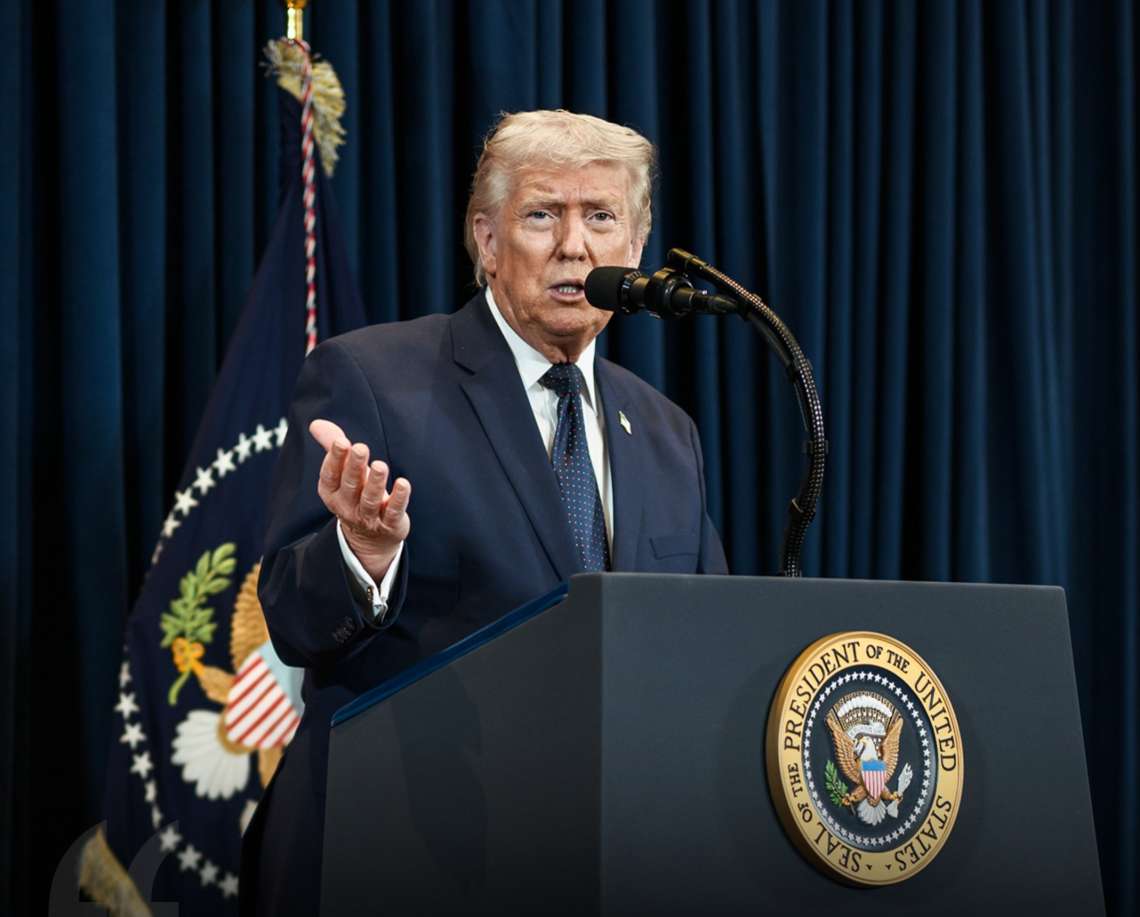
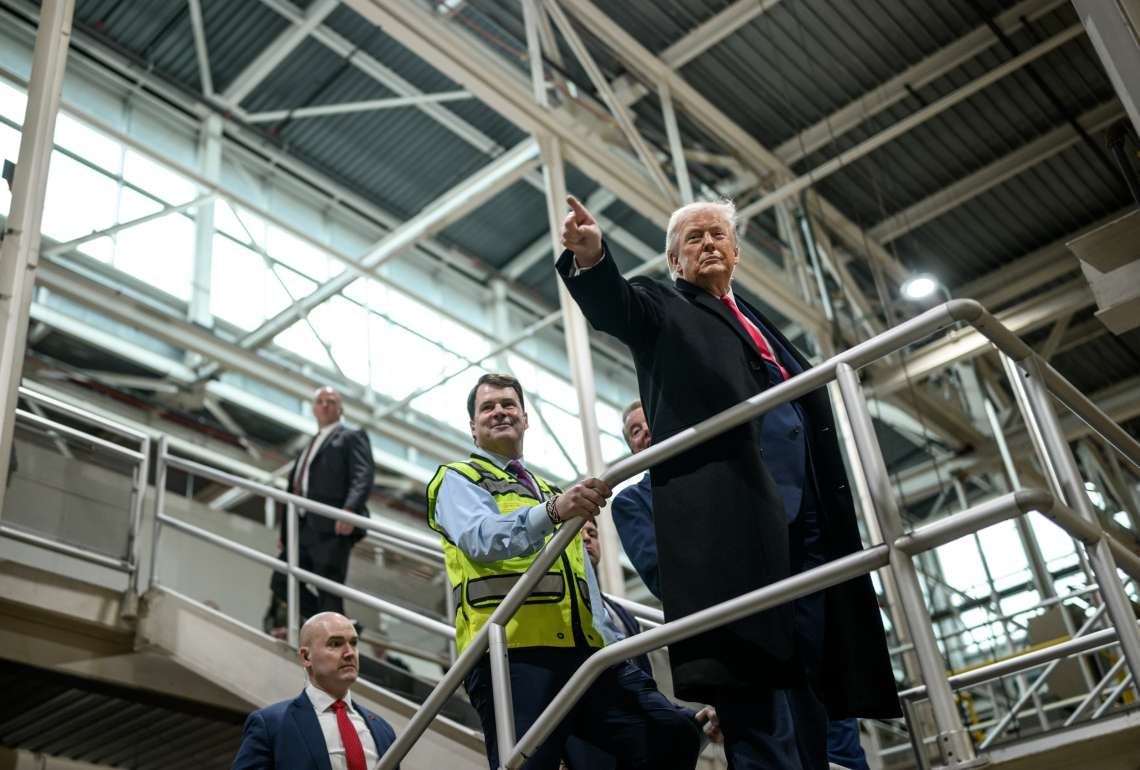
A year on from his second inauguration, Trump 2.0 can be defined by a single word: power. As Donald Trump marks the anniversary and begins his sixth year in office, his greatest political asset is the authority he has accumulated and the freedom with which he is exercising it. The central question shaping the remainder of his term is not whether he possesses power, but how far he is prepared to go in wielding it.
That question has come into sharp focus with what critics describe as the most reckless foreign policy move of Trump’s presidency: the threat of punitive tariffs against Denmark and seven other European NATO allies in an effort to force the sale of Greenland to the United States. The tactic has been met with outrage in Europe and widespread scepticism that it could ever succeed. The gambit has already had wider geopolitical consequences, hardening Moscow’s resolve over Ukraine and all but extinguishing hopes of a negotiated end to the war.

Trump’s confrontation with Denmark has landed at a moment of heightened global instability. With tariffs already looming over Europe, the prospect of the United States attempting to seize Greenland has sent shockwaves through alliance systems built since the Second World War. Senior analysts warn that such a move would effectively terminate NATO. For allies beyond Europe, including Australia, it would raise existential questions about the durability and purpose of their security relationships with Washington.
At home, warning signs are emerging. Polling at the one-year mark of Trump’s second term shows growing disquiet among voters about the economy, housing affordability and grocery prices, as well as the conduct of immigration enforcement. The raids by ICE agents and the deportation of migrants, including operations that sparked unrest in Minneapolis last week, have intensified public unease. Foreign policy adventurism, from the Americas to Iran, has added to a sense of unpredictability.
Trump is exercising power because he believes he can. That confidence may yet provoke the first serious rupture between Trump and Republicans in Congress since his re-election, particularly if lawmakers conclude that his actions threaten electoral prospects. For now, however, the party has largely held the line.
Since his 2024 election victory, Trump has remained faithful to three of the four ideological pillars that transformed his base into a movement: nativism, protectionism and America First nationalism. Immigration agents have arrested and deported tens of thousands, and Trump has repeatedly threatened to deploy US troops in American cities to enforce federal policy. He has imposed punitive tariffs on every major trading partner, including Australia, and demanded that foreign companies build factories and invest directly in the United States.
The fourth pillar of Trumpism, America First isolationism, has evolved. Rather than retreating from the world, Trump has reframed US foreign policy around power and control. He has rejected the post-war tradition of using military force to project American values, from Korea and Vietnam to Kuwait, Afghanistan and Iraq. In Iran, he has so far drawn a distinction between targeting nuclear capability and pursuing regime change, which he regards as a return to the “forever wars” he despises.
Trump has dismantled much of America’s globalist posture. The United States has withdrawn from most of the international architecture created after 1945 to promote security and prosperity, with the United Nations standing as a notable exception. Billions of dollars in foreign aid have been cut, and Washington has exited or sidelined itself from numerous global organisations.
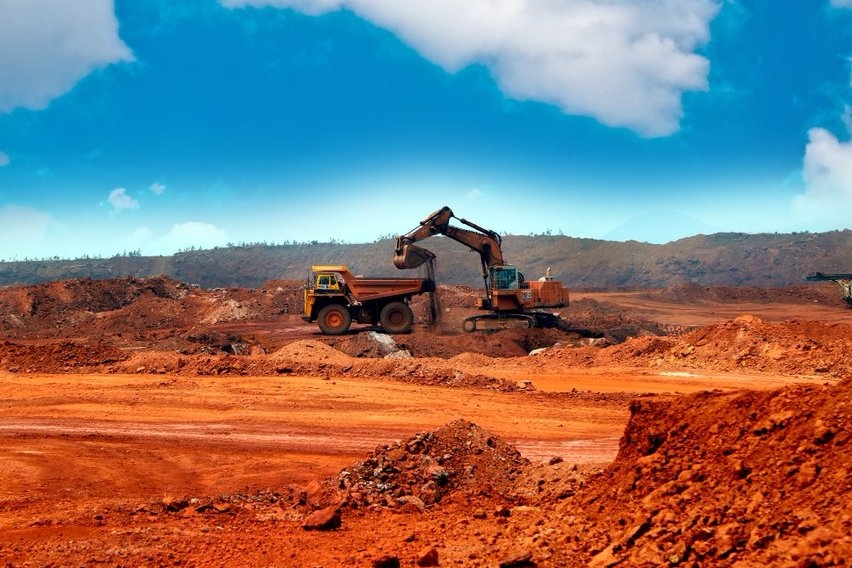
The US attack on Venezuela illustrated the breadth of Trump’s ambitions. It was not simply about arresting its leader, but about asserting control over strategic resources across the Americas, from Venezuela to Greenland and from Mexico to Canada.

This outward projection of power has come at a domestic cost. Polling suggests voters are increasingly concerned that the president’s focus abroad is distracting him from economic pressures at home. A recent survey found that 56 per cent of US adults believe Trump has gone too far on Venezuela, while 57 per cent oppose a US strike on Iran. Even before the Greenland tariff threat, only 17 per cent approved of Trump’s desire to acquire the territory, and 71 per cent rejected the use of military force to do so.
Trump’s overall numbers reflect this mood. His approval rating stands at 40 per cent, with disapproval at 60 per cent. AP-NORC reports that Trump has failed to convince Americans the economy is in good shape. CNN polling shows 55 per cent believe his policies have hurt the economy, while the Wall Street Journal finds him deep underwater on inflation. On immigration, approval lags below 40 per cent amid unrest linked to ICE tactics.
Yet Trump remains undeterred. He has not been blocked by an ultra-conservative Supreme Court or a pliant Republican Congress as he imposes tariffs, shuts down agencies, withholds congressionally approved funds, fires hundreds of thousands of federal employees and orders military strikes without prior consultation. He has moved to exert greater control over the economy by targeting the Federal Reserve, and has instructed the Justice Department to prosecute those involved in past investigations and impeachment proceedings against him.
As Trump consolidates power, his musings increasingly resemble directives. After months of expressing a desire to own Greenland, he is now acting to acquire it. At home, he has twice this month raised the prospect of cancelling the US midterm elections, warning Republicans that a Democratic takeover of the House would lead to impeachment. Any attempt to suspend elections, including through martial law, would be catastrophic. With Trump’s belief in his own authority hardening, the future of American democracy and its global alliances are now firmly in play.