OCHA says worsening conditions across 26 provinces signal an early and deepening nutrition crisis ahead of the peak hunger season….reports Asian Lite News desk
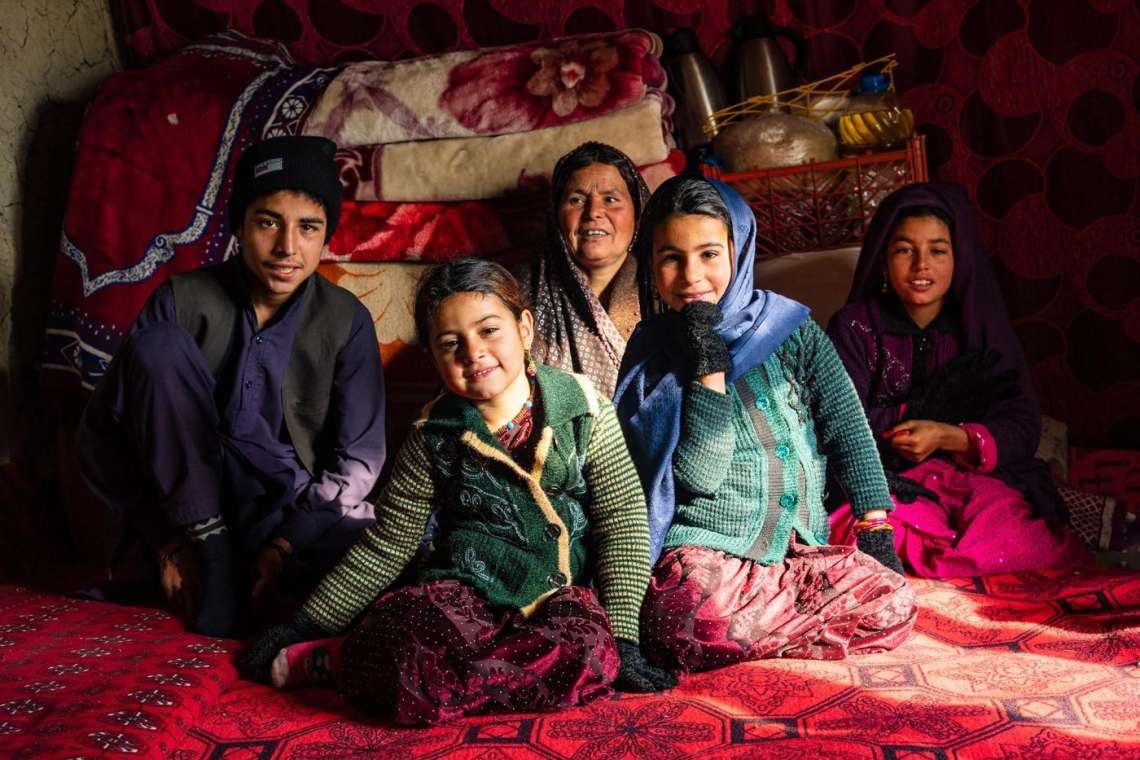
Afghanistan’s nutrition crisis is deepening, with an estimated 3.7 million children expected to suffer acute malnutrition in 2026, according to the United Nations Office for the Coordination of Humanitarian Affairs (OCHA), which has called for urgent funding to avert a worsening humanitarian emergency.
In a statement issued on Monday, OCHA warned that malnutrition levels are rising rapidly across the country, with wasting rates deteriorating in 26 of Afghanistan’s 34 provinces compared to 2025. The agency said the situation is worsening even before the peak wasting season, which runs from July to September, signalling an early and deepening crisis.
OCHA stressed that immediate financial support is needed to save lives and prevent irreversible harm to millions of vulnerable children and families.
The warning comes amid growing concerns over Afghanistan’s broader humanitarian and economic situation. Earlier this year, the United Nations Development Programme (UNDP) reported that nearly 28 million people in the country were unable to meet their basic needs as poverty, drought and declining international assistance continued to take a toll.
According to the UNDP, Afghanistan’s economy grew by just 1.9 per cent in 2025, significantly below the country’s population growth rate of 6.5 per cent. The gap has contributed to a continued decline in real per capita income, leaving many households struggling to survive.
The report found that nearly three-quarters of Afghans had resorted to negative coping mechanisms, including reducing food consumption, taking on debt or selling assets, while more than 80 per cent of households were carrying debt.
The worsening humanitarian situation has been compounded by several factors, including prolonged drought, reduced international aid and the return of almost 2.9 million Afghan migrants, placing additional pressure on already stretched communities.
Food insecurity, unemployment and limited access to healthcare have further increased the vulnerability of millions of families across the country.
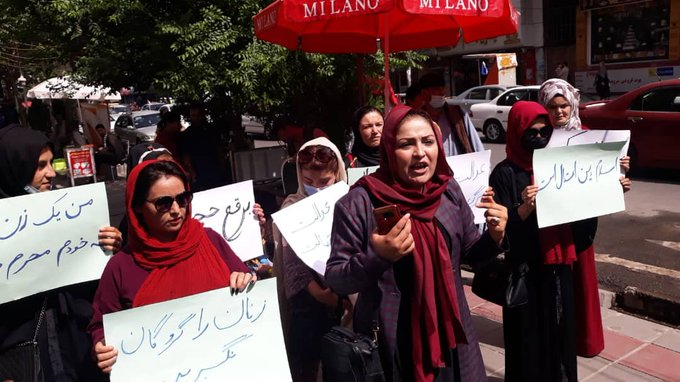
UNDP also linked Afghanistan’s economic challenges to restrictions imposed by the Taliban on women and girls. The agency said limitations on female education and employment have weakened the country’s labour force and reduced household incomes, further undermining economic recovery efforts.
The report highlighted growing strains on public services, noting that Afghanistan’s trade deficit reached $11.3 billion in 2025 while access to clean drinking water and healthcare continued to decline.
More than 440 health centres have either closed or are operating with reduced services because of funding shortages, leaving many communities without adequate medical support.
Climate-related shocks have also intensified the crisis. According to UN estimates, drought conditions are affecting nearly 64 per cent of Afghanistan’s arable land in 2026, damaging agricultural production and threatening rural livelihoods.
Humanitarian agencies have repeatedly warned that funding shortfalls are hampering relief efforts at a time when needs are increasing across the country.
UN officials said sustained investment in livelihoods, local businesses, healthcare and public services would be critical to preventing further economic deterioration and reducing the risk of a deeper humanitarian catastrophe.
With millions already struggling to access food, healthcare and basic services, aid agencies have urged the international community to step up support before conditions worsen further in the coming months.