RSF says Taliban authorities have imposed more than 20 national directives and several provincial decrees restricting press freedom since returning to power in 2021….reports Asian Lite News Desk
Taliban has methodically turned Afghanistan into a “prison for information” over the past five years, with a series of directives and decrees steadily restricting press freedom and independent journalism, media watchdog Reporters Without Borders (RSF) said.
In a statement issued on Monday, RSF said the Taliban, since taking power in August 2021, has introduced more than 20 national directives along with several provincial decrees that have further dismantled press freedom across Afghanistan.
The watchdog said the measures, including orders communicated verbally, have severely constrained the country’s media landscape and left journalists with little room to report independently or criticise the authorities.
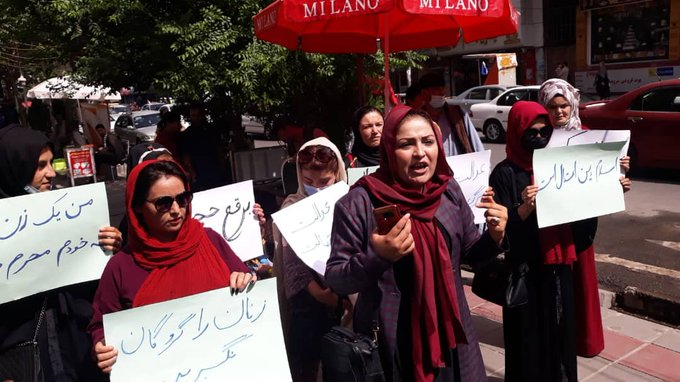
“Journalism is increasingly throttled as criticism of the regime is forbidden, women face sweeping restrictions, political debate has been silenced, and broadcasting images of living beings is banned. Reporters Without Borders calls for an end to this crackdown,” RSF said.
The organisation said a further restriction emerged in January 2026 when the Taliban secretly adopted a Code of Criminal Procedure for courts. The contents of the code became known after the document was leaked.
Although the code does not specifically refer to the press, RSF said it provides no protection or exemption for media professionals, potentially leaving journalists exposed to legal action and severe punishments, including imprisonment.
The watchdog said the code provides for prison sentences and flogging for insulting Taliban leaders, effectively criminalising criticism of the authorities. It also penalises contact with opponents of the Taliban government, further limiting journalists’ ability to communicate with sources.
Celia Mercier, head of RSF’s South Asia Desk, said the latest legal measures had formally embedded restrictions on criticism and censorship.
“In five years, the Taliban have methodically turned Afghanistan into a prison for information. Every new directive further shrinks the space for journalists and independent media. The ban on criticism is now written into law, formally codifying censorship. Women journalists have been all but erased, debate has been silenced, and every independent voice is prosecuted. By criminalising media professionals, the de facto authorities are seeking absolute control over the flow of information,” Mercier said.
RSF called for the repeal of provisions it said restrict press freedom in Afghanistan.
Mercier also said hundreds of Afghan journalists had been forced to leave the country to escape repression, protect their lives and continue their professional work.
She urged countries hosting Afghan journalists to recognise the scale of the crackdown and warned that deportation or forced return could put media professionals at risk.
The Taliban’s return to power in August 2021 has been accompanied by sweeping restrictions on civil liberties and independent institutions. RSF said the cumulative effect of the measures introduced since then has been to further weaken independent journalism and public debate in Afghanistan.