A report has highlighted the growing humanitarian impact of Pakistan’s policies and military operations on Afghan refugees, students, journalists and civilians….reports Asian Lite News Desk
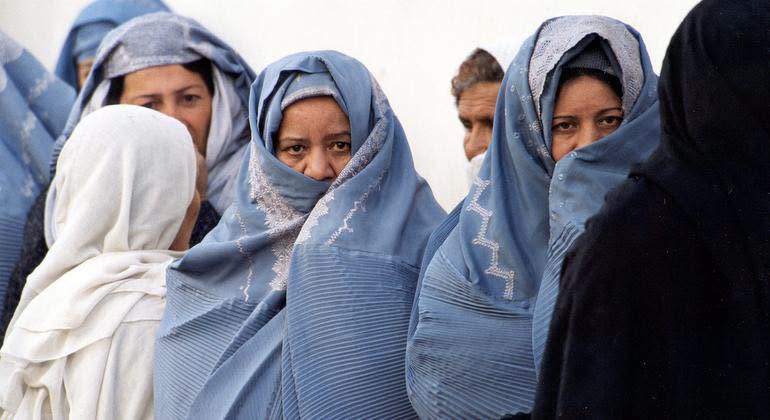
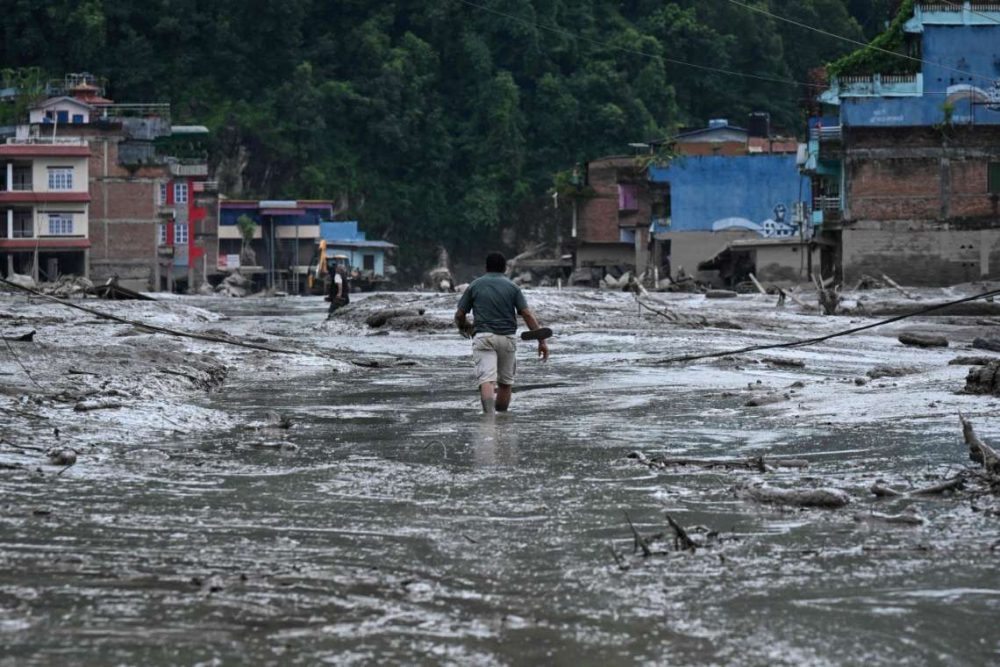
Pakistan’s actions towards Afghanistan have imposed a heavy humanitarian toll on Afghan civilians, with millions of refugees displaced, tens of thousands detained and hundreds reportedly killed in military operations, according to a report.
The report by Afghanistan based Khaama Press said the developments pointed to a humanitarian crisis extending beyond the immediate security dispute between Islamabad and Kabul.
Pakistan has increasingly justified its actions on grounds of national security, terrorism and self defence, accusing Afghanistan’s Taliban authorities of allowing the Tehreek e Taliban Pakistan (TTP) and other militant groups to operate from Afghan territory.
Kabul has repeatedly denied the allegations.
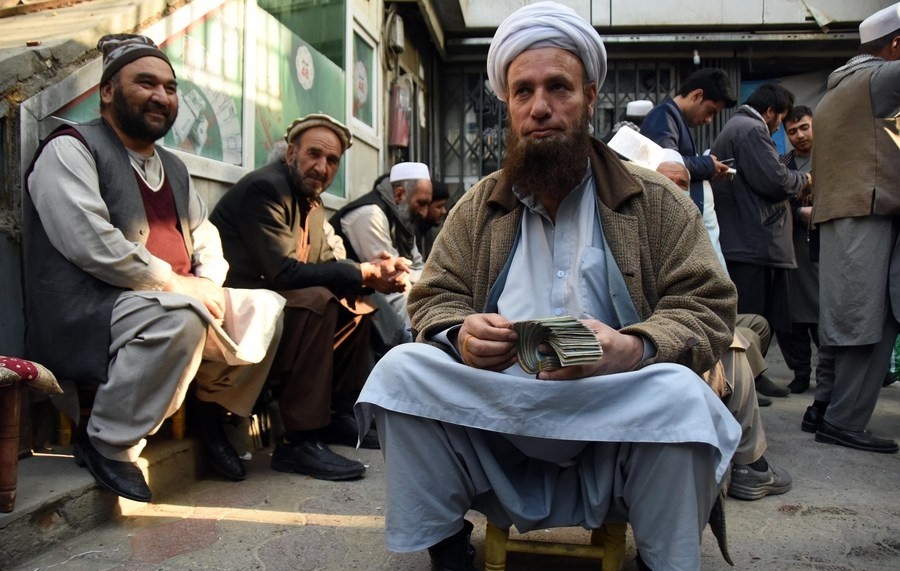
The report said ordinary Afghans, including refugees, children, students, journalists, patients, traders and families, had continued to face the consequences of the tensions.
It highlighted cases ranging from searches of Afghan homes in Pakistani cities and family separations during deportations to restrictions affecting students and journalists facing possible deportation.
The report also said restrictions along the Pakistan Afghanistan border had disrupted livelihoods, while Pakistani military operations had resulted in civilian casualties inside Afghanistan.
The situation has also affected Afghan students pursuing higher education in Pakistan.
On September 1, the Pakistan Medical and Dental Council directed Afghan students already enrolled in medical and dental programmes to return to Afghanistan, while new admissions for Afghan students were closed for the current academic session.
Khaama Press, citing the Human Rights Commission of Pakistan, said around 100 Afghan students in Lahore could be affected, including an estimated 20 to 40 women.
The report said the impact on Afghan women could be particularly significant because restrictions imposed by the Taliban authorities have prevented women from accessing universities and medical education inside Afghanistan.
It argued that the return of female medical students could therefore result in the loss of their education.
Afghan journalists have also faced growing uncertainty in Pakistan.
The Committee to Protect Journalists has documented cases of Afghan reporters being detained in Islamabad despite holding valid Pakistani visas and passports, according to the report.
Reporters Without Borders has also reported that up to 50 Afghan journalists have been forcibly returned to Afghanistan since Pakistan began its mass deportation policy.
The report said many of those journalists had originally fled Afghanistan because of threats and restrictions linked to their work under Taliban rule.
It described their situation as a contradiction in which journalists who left Afghanistan seeking safety could face the possibility of being returned to the circumstances from which they had fled.
The report argued that the humanitarian consequences of Pakistan’s policies should be considered alongside the security concerns cited by Islamabad.
It said the treatment of refugees, students, journalists and civilians raised broader questions about how national security measures affect people who are not directly involved in armed groups or security disputes.