India hosts Arab foreign ministers after a decade as trade, energy and geopolitics push both sides towards a deeper strategic partnership spanning West Asia and the wider Global South….reports Asian Lite News
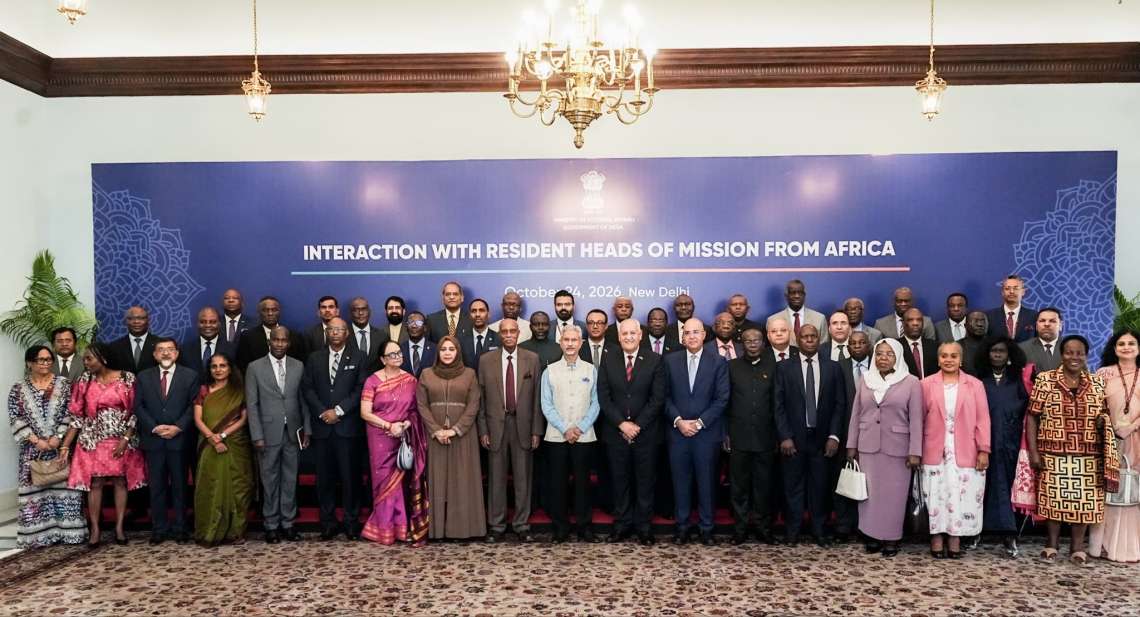
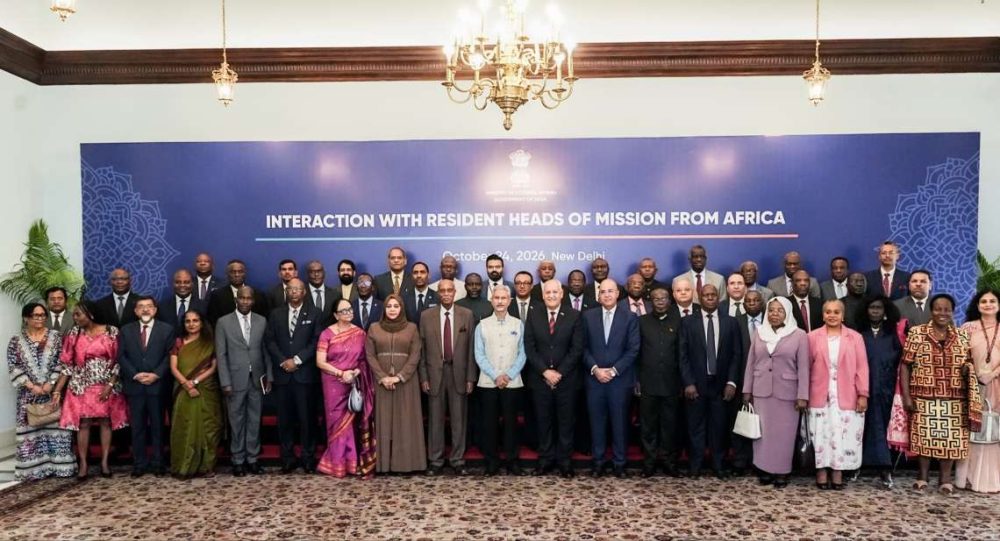
New Delhi has emerged as a major diplomatic hub this week as senior leaders from the Arab world arrive in the Indian capital for the second India–Arab Foreign Ministers’ Meeting (IAFMM), a gathering that comes after a decade-long gap and at a time of intense geopolitical churn across West Asia and beyond.
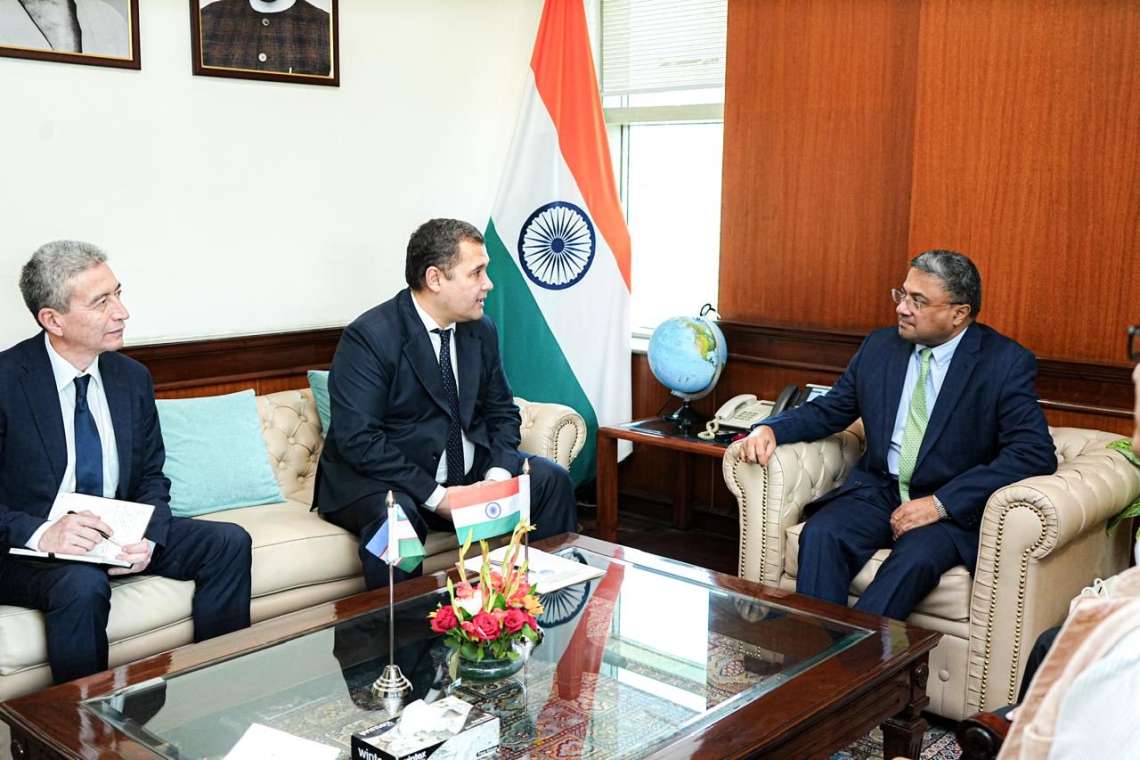
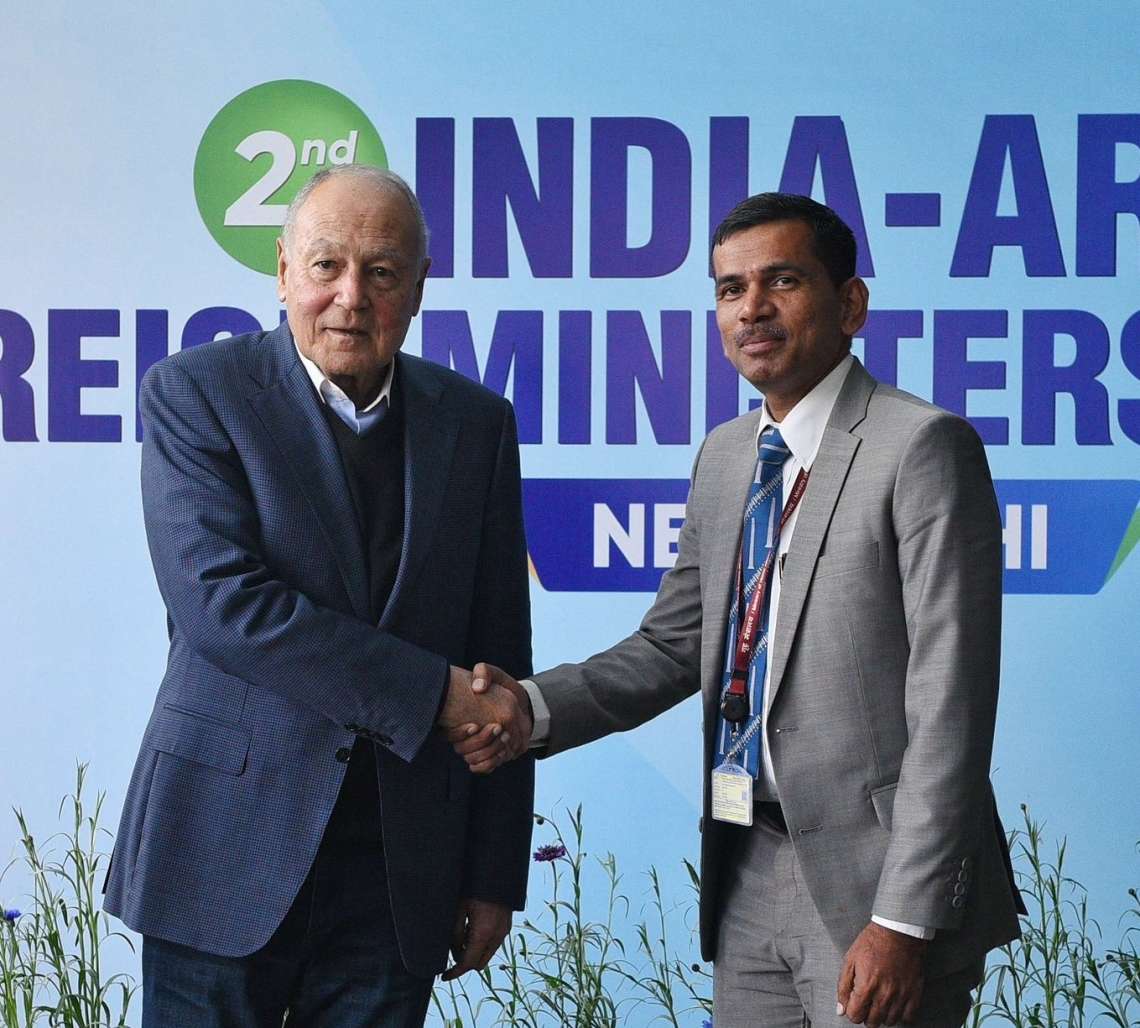
League of Arab States (LAS) Secretary General Ahmed Aboul Gheit arrived on Thursday to attend the high-level talks, marking a key moment in India’s expanding engagement with the Arab world. The Ministry of External Affairs (MEA) said the visit reflected a shared commitment to strengthening the India–Arab partnership across political, economic and strategic sectors.
MEA spokesperson Randhir Jaiswal said the arrival of Aboul Gheit underlined the importance both sides place on reviving institutional dialogue, adding that the coming days would feature a series of engagements aimed at deepening cooperation. Foreign ministers and senior officials from across the Arab League have also begun arriving in New Delhi, including delegations from Palestine, Egypt, Sudan, Saudi Arabia, Kuwait, Jordan, Qatar, Bahrain, Iraq, Oman, Lebanon and several North African states.

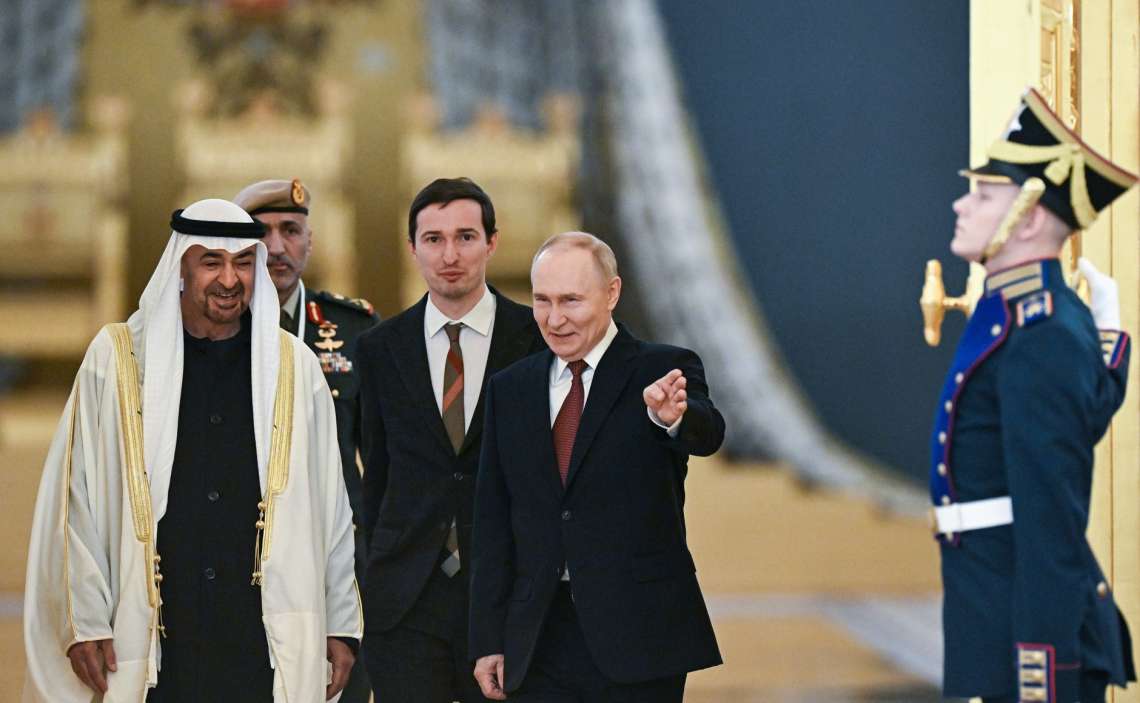
The meeting, scheduled for January 31, is being co-chaired by India and the United Arab Emirates and will be preceded by the fourth India–Arab Senior Officials’ Meeting. Together, the two gatherings represent the highest institutional mechanism guiding India–Arab relations, a framework first formalised in 2002 with the signing of a memorandum of understanding between India and the League of Arab States.
This is only the second time foreign ministers from both sides have met in this format, with the inaugural meeting held in Bahrain in 2016. During that first session, leaders identified five priority areas of cooperation: economy, energy, education, media, and culture. Indian officials say the renewed dialogue will build on those pillars while expanding into new domains such as technology, renewable energy, food security and connectivity.

India’s ties with the Arab world are rooted in centuries of commercial, cultural and intellectual exchange. Ancient trade routes across the Arabian Sea and land corridors linking the subcontinent with West Asia helped forge bonds that continue to influence modern diplomacy. Today, the Arab League’s 22 member states form part of India’s extended neighbourhood and remain critical to its economic and energy security.
Trade between India and the Arab world now exceeds $240 billion annually, having grown steadily even during the Covid pandemic and recent global conflicts. Arab nations supply nearly 60 per cent of India’s crude oil imports and more than half of its fertiliser needs, making the relationship strategically indispensable. More than nine million Indians live and work in Arab countries, forming one of the world’s largest and most influential overseas communities.
The significance of this week’s meeting has been further underlined by comments from Palestinian Foreign Minister Varsen Aghabekian, who said India could play an important role in bridging differences between Palestine and Israel. Speaking after her arrival in New Delhi, Aghabekian described India as a friend of both sides and said New Delhi was well positioned to inject new ideas into peace efforts, given its longstanding relationships and growing global influence.
The Palestinian minister said her delegation would use the meeting to raise issues related to Gaza, reconstruction efforts and broader peace initiatives, adding that discussions on Palestine would form a key part of the agenda alongside other matters of shared concern. She also described the New York Declaration as a crucial roadmap for Palestinian independence and said Palestine was ready to work with international partners to ensure commitments under the declaration were upheld.
Indian officials have not indicated whether New Delhi intends to take on a mediating role, but diplomats say the meeting reflects India’s increasingly confident diplomacy in West Asia, where it has sought to balance relations with Israel, the Gulf states and the broader Arab world without becoming entangled in regional rivalries.
The presence of ministers from more than 20 Arab nations has reinforced the perception of India as a trusted partner and neutral platform for dialogue. Analysts say the revival of the India–Arab Foreign Ministers’ Meeting after a ten-year pause signals a recognition on both sides that cooperation must be institutionalised to keep pace with changing global realities, from energy transitions and supply chain resilience to regional security and multilateral reform.