Saudi Arabia and the UAE have both formally ruled out use of their territory or airspace for attacks on Iran, underscoring a Gulf push for diplomatic, not military, conflict resolution….reports Asian Lite News
Saudi Arabia and the United Arab Emirates reaffirmed that they will not allow their airspace, territory or waters to be used for any military action against Iran, a rare public stance underscoring Gulf leaders’ efforts to avoid being drawn directly into escalating regional tensions amid a growing US military presence in the Middle East.
The Saudi position was articulated by Crown Prince and Prime Minister Mohammed bin Salman bin Abdulaziz Al Saud during a telephone call with Iranian President Masoud Pezeshkian, in which he stressed Riyadh’s strong respect for Iran’s sovereignty and reiterated that no attacks against Tehran would be permitted from any party using Saudi soil or airspace. The Saudi Press Agency reported that the Crown Prince also reaffirmed the Kingdom’s support for resolving disputes through sustained diplomatic dialogue and initiatives that enhance regional security and stability.
Shortly after the Saudi announcement, the UAE Ministry of Foreign Affairs issued a similar declaration, explicitly stating that the Emirates “will not allow its airspace, territory or waters to be used in any hostile military actions against Iran,” and that it would not provide logistical support for such actions. The Emirati statement also highlighted a firm belief that “dialogue, de-escalation, adherence to international law, and respect for state sovereignty” are the most effective means of addressing current crises, reflecting a broader regional emphasis on diplomacy amid heightened geopolitical strain.

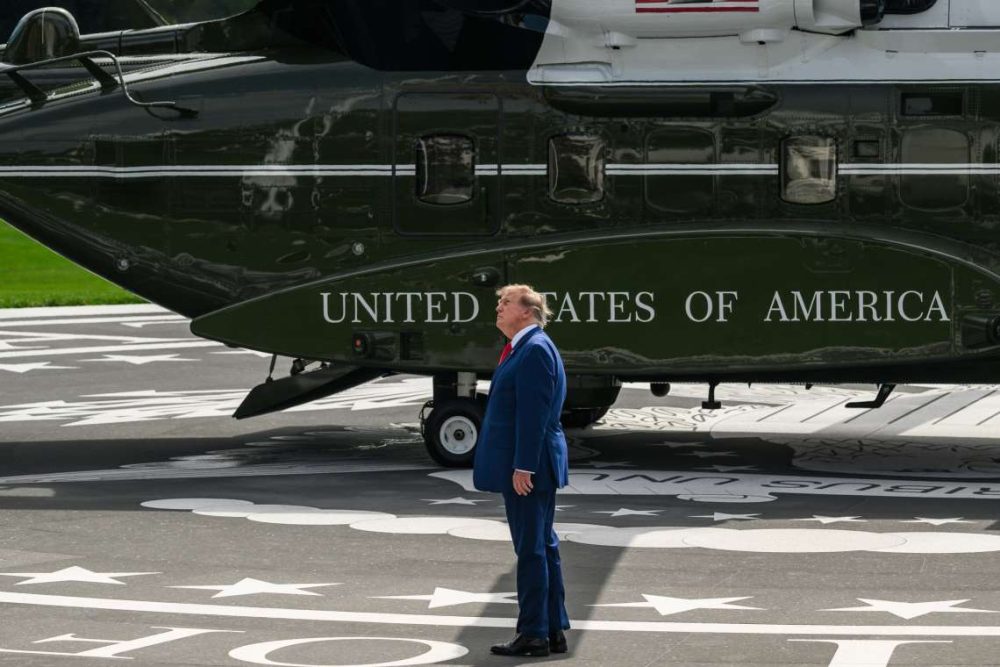
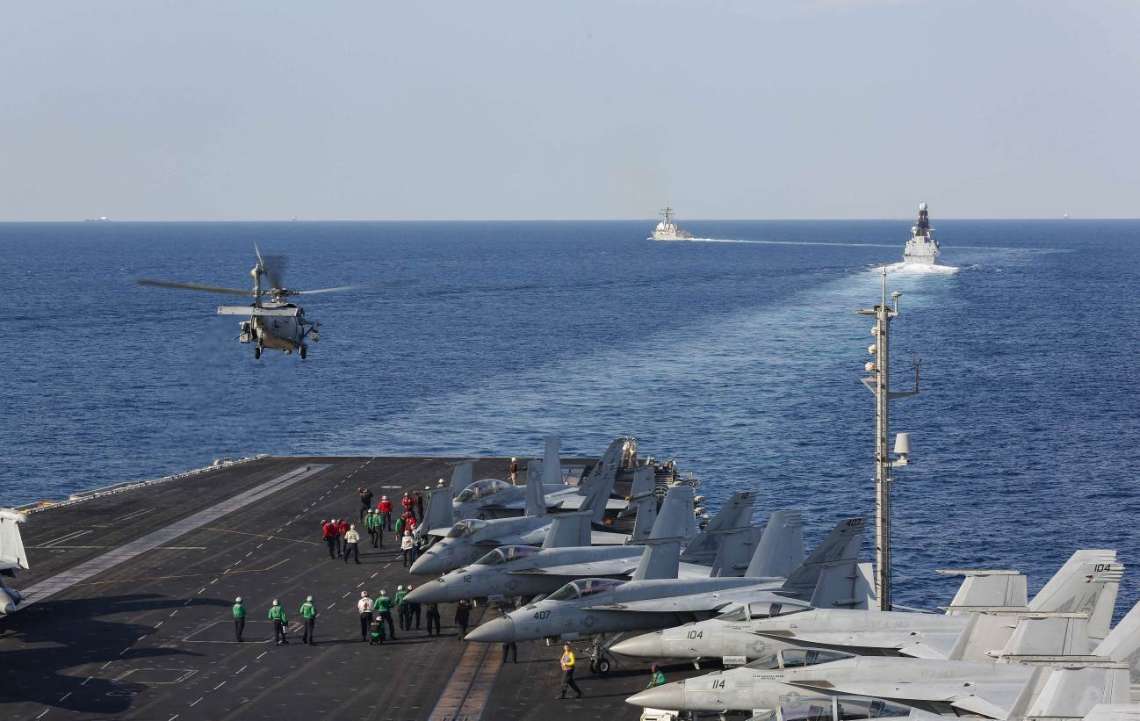
The coordinated stance by both Riyadh and Abu Dhabi comes amid reports of a significant United States naval buildup in the region. US President Donald Trump, speaking at a campaign-style event in Iowa, referenced a “beautiful armada floating … towards Iran,” while also expressing hope that Washington and Tehran could reach a diplomatic deal rather than resorting to military confrontation. Trump’s comments, which mixed warnings with a nod to negotiation, reflect a blend of military pressure and openness to talks that has characterised recent US policy toward Tehran.
For Saudi Arabia and the UAE — two of the United States’ closest allies in the Gulf — the decision to publicly rule out use of their territory for any attack represents a significant diplomatic posture. Analysts say this sends a message not only to Iran but also to Washington and regional audiences that Gulf states are determined to avoid being used as launchpads for conflict, even as they maintain defence ties with the United States.
While Saudi and Emirati officials have stopped short of condemning Tehran directly in this context, they have emphasised that maintaining stability and preventing further escalation is a priority. Gulf officials are acutely aware that any regional conflagration could have broad economic and security repercussions, from disrupted shipping in the Strait of Hormuz to volatile oil markets and potential blowback on minority and expatriate communities across the Middle East.
Other GCC states, such as Qatar and Oman, have historically played roles in mediation and have called for restraint in various disputes involving Iran, including past tensions involving Israel. For example, Oman has been involved in diplomatic efforts to encourage dialogue among regional powers, and Gulf Cooperation Council meetings have condemned actions deemed violations of sovereignty and international law. However, no other Gulf state has yet made an explicit public commitment like Saudi Arabia and the UAE disclaiming the use of their territory for strikes against Iran in the current context.
The Saudi and Emirati positions also align with broader Gulf concerns over the human and economic costs of regional conflict. Emirates diplomatic adviser Dr Anwar Gargash has emphasised that Gulf states “cannot afford more confrontation” and must pursue political solutions to avoid destabilising effects on the wider region, reiterating that Gulf nations see Iran as a neighbour in need of sustained dialogue rather than escalation.
Tehran welcomed the Saudi assurance and thanked Riyadh for its efforts to maintain regional security, signalling that even amid deep strategic differences, diplomatic channels remain open. For now, the First Gulf powers appear determined to limit escalation and to anchor their regional diplomacy in negotiation rather than confrontation — even as great-power rivalries and military movements continue to raise the stakes in a volatile Middle East.