If formally appointed, Shah would become one of the youngest Prime Ministers in Nepal’s history, marking a dramatic shift in the country’s political landscape….reports Asian Lite News
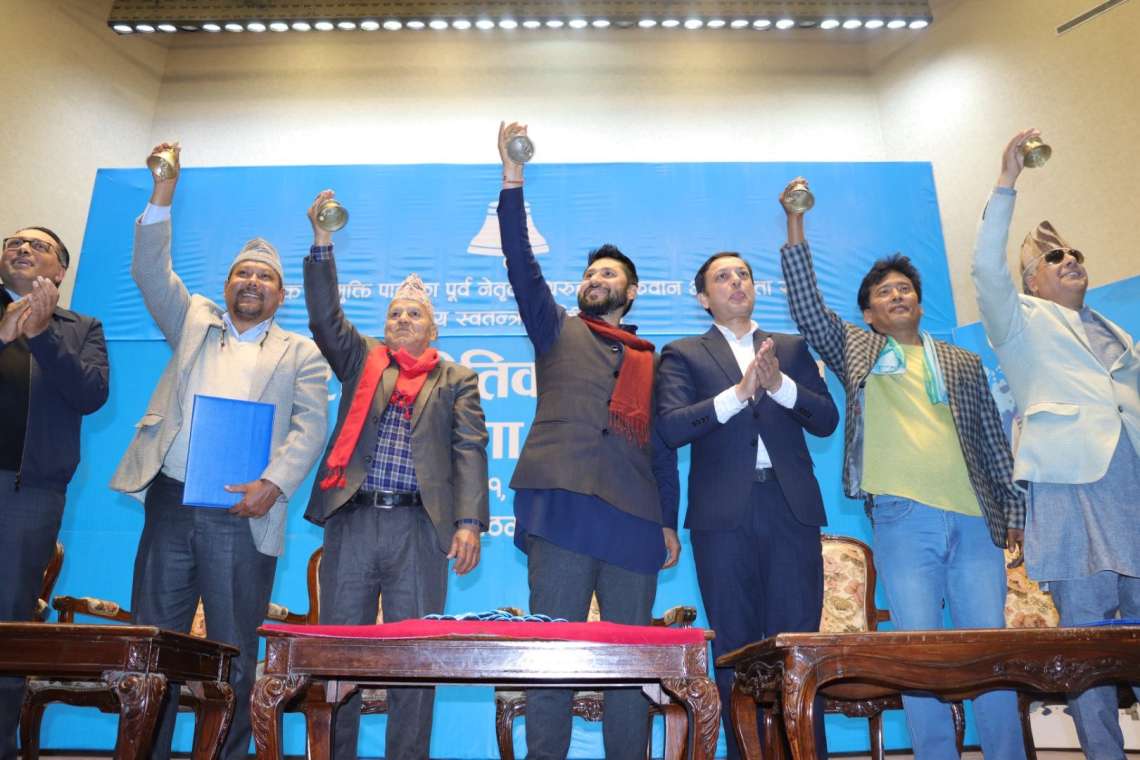
Former rapper and Kathmandu Mayor Balendra Shah, popularly known as Balen, has secured a decisive victory in Nepal’s parliamentary elections from Jhapa-5, defeating former Prime Minister KP Sharma Oli by a wide margin, according to results announced by the Election Commission.
Shah received 68,348 votes, while Oli trailed far behind with 18,734 votes. The victory marks a major political upset and cements Shah’s entry into Nepal’s federal parliament.
With his party, the Rastriya Swatantra Party (RSP), sweeping the elections and heading toward a clear majority, Shah is now poised to become Nepal’s next Prime Minister.

Election Commission data shows that the RSP, formed only about four years ago, has emerged as the dominant force in the polls. The party has won 59 seats under the First-Past-the-Post (FPTP) system and is leading in 62 constituencies. When combined with proportional representation seats, the party is expected to comfortably cross the majority mark in the 275-member House of Representatives.
A party or coalition requires at least 138 seats to secure a majority in the lower house.
Senior RSP leader and first-ranking vice-chairperson DP Aryal said the party’s strong performance was driven by public confidence in its leadership, particularly figures such as Rabi Lamichhane and Balendra Shah.
Aryal confirmed that Shah will lead the parliamentary party and assume the role of Prime Minister once the government formation process begins.

“The support we have received reflects the trust voters have placed in our leadership and vision,” Aryal said, adding that there are no internal disputes within the party regarding the premiership.
Following the announcement of results, preparations are expected to begin soon for the swearing-in of newly elected lawmakers and the formation of the next government.
Outgoing Prime Minister Sushila Karki has expressed readiness to hand over power once the new parliamentary mandate is formally established.
The RSP leadership has repeatedly emphasised its commitment to transparency and accountability, stating that Shah’s premiership will reflect both the party’s internal consensus and the mandate delivered by voters.
Shah’s rise in Nepalese politics has been swift and unconventional. In 2022, the structural engineer and former underground rapper stunned the country’s political establishment by winning the Kathmandu mayoral election as an independent candidate.
Running under the election symbol of a walking stick, Shah secured 61,767 votes in that contest, comfortably defeating seasoned political figures. Nepali Congress candidate Sirjana Singh finished with 38,341 votes, while CPN-UML’s Keshav Sthapit, a former mayor of the capital, received 38,117 votes.
Known for his distinctive black rectangular sunglasses and outspoken style, Shah quickly gained national attention for challenging entrenched political practices and promising reforms in governance.
Now, just four years after his breakthrough victory in local politics, the 35-year-old leader is set to take the national stage.
If formally appointed, Shah would become one of the youngest Prime Ministers in Nepal’s history, marking a dramatic shift in the country’s political landscape.