Nepal’s Supreme Court has given the government three months to frame regulations for controlled cannabis cultivation and production for medicinal, scientific and industrial purposes…reports Asian Lite News Desk
Nepal’s Supreme Court has directed the government to establish a regulatory framework for the controlled cultivation and production of cannabis, potentially ending nearly five decades of prohibition. The ruling allows the government to move towards licensing cannabis for medicinal, scientific, agricultural, horticultural and industrial purposes.
The court issued a mandamus order directing the government to formulate the necessary regulations, standards and procedures within three months. It also called for a strict monitoring system to oversee the cultivation, production, processing, storage, sale, distribution, export and import of cannabis.
The ruling could mark a significant shift in Nepal’s cannabis policy, which has remained restrictive since the introduction of the Narcotic Drugs (Control) Act in 1976. The law criminalised the sale, cultivation and consumption of cannabis, with violations carrying prison sentences and fines.
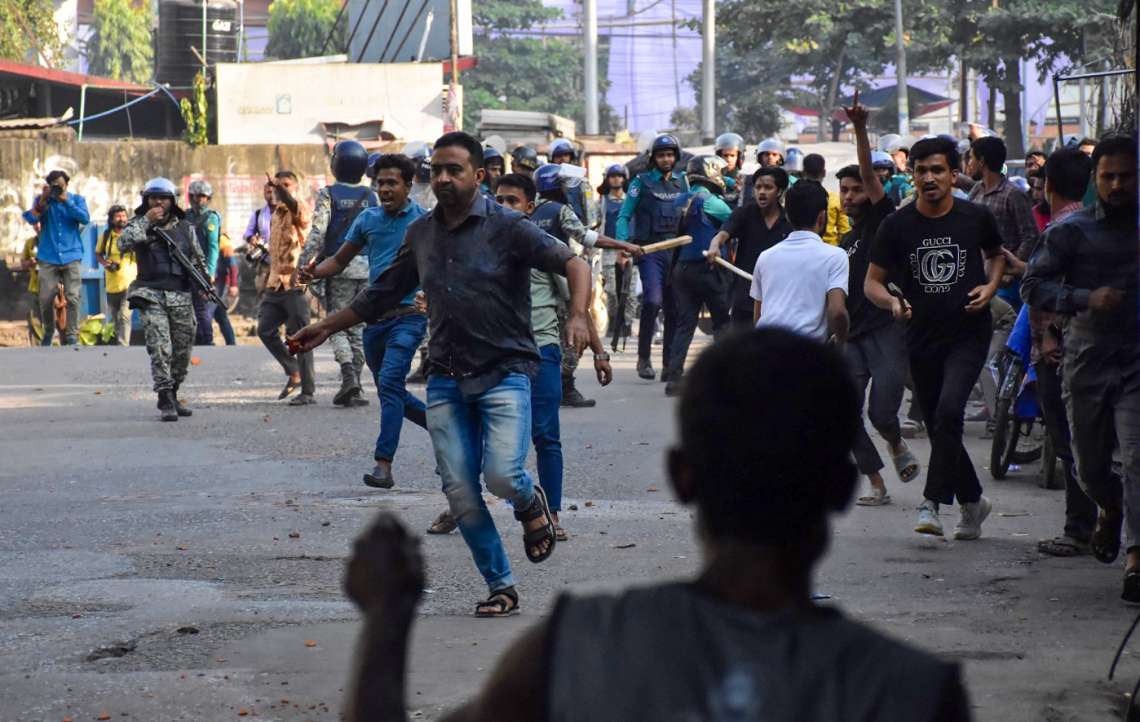
Although the Supreme Court delivered its judgment on May 18, 2025, the full text was made public only recently. The document could not be located following a fire at the Supreme Court during the Gen Z protests on September 9 last year.
The court observed that while the 1976 legislation prohibits cannabis, it also provides a legal basis for its controlled cultivation and production for medicinal, scientific and industrial purposes.
However, the absence of government regulations had prevented the implementation of these provisions, leaving cultivation and production for such purposes effectively restricted.
The court directed the government to establish a licensing and regulatory mechanism to ensure that cannabis-related activities are carried out within the law. The framework must also prevent unauthorised cultivation, production, manufacture, sale and distribution.
For decades, farmers and potential producers have remained reluctant to enter cannabis cultivation because of the risk of criminal prosecution.
However, calls for a policy shift have gained momentum in recent years, particularly over the potential medicinal and scientific applications of the plant.
In March 2020, Sher Bahadur Tamang, then a member of Nepal’s House of Representatives, registered a private member’s Bill seeking to legalise marijuana, primarily for medicinal purposes and export.
The proposed legislation sought to allow licensed farmers to cultivate and sell cannabis. It also proposed a licensing system through local governments or relevant district authorities.
Applicants would have been required to identify the proposed cultivation area, disclose the people involved and provide assurances against unauthorised use. However, the Bill was not passed by the House.
Momentum towards regulated cultivation has also emerged at the provincial level. On July 9 this year, Nepal’s Gandaki Province Assembly unanimously passed a Bill to permit licensed cannabis cultivation for medicinal and industrial purposes.
Historical records indicate that cannabis cultivation and sales remained legal in Nepal until the early 1970s.
During the late 1960s and 1970s, Nepal became a popular destination for Western travellers following the overland hippie trail. The influx of visitors fuelled commercial demand for locally produced marijuana and hashish.
The growing market also attracted international attention. Researchers have attributed Nepal’s decision to criminalise cannabis to pressure from the United States, which was then pursuing its ‘War on Drugs’ campaign.
Since then, attitudes towards cannabis have shifted in several parts of the world. Several US states have legalised its use for medicinal purposes, while some also permit recreational consumption. A number of other countries have introduced similar legal frameworks.
The latest Supreme Court directive could provide Nepal with a legal route to regulate an industry that was once part of its economy, provided the government introduces the required safeguards and licensing procedures.