Rahman’s meetings with US Under-Secretary Allison Hooker and Assistant Secretary Paul Kapur at the State Department marked a key diplomatic engagement as Bangladesh prepares for a political transition….reports Asian Lite News
Bangladesh’s National Security Adviser Khalilur Rahman held high-level meetings with senior US officials in Washington DC on Saturday, focusing on Bangladesh’s upcoming general elections, trade and economic ties, the Rohingya refugee crisis and key regional issues, according to a statement issued by the Chief Adviser of Bangladesh’s interim government.
Rahman met Allison Hooker, US Under-Secretary of State for Political Affairs, and Paul Kapur, Assistant Secretary of State, at the State Department, marking a significant engagement as Bangladesh prepares for a political transition. Discussions centred on democratic reforms, bilateral cooperation and shared regional priorities.
During his meeting with Under-Secretary Hooker, Rahman briefed her on preparations and arrangements for the forthcoming general elections, expected to be held in February. He expressed appreciation for continued US support to the interim government, particularly Washington’s backing of the electoral process. Hooker reaffirmed strong US support for Bangladesh’s democratic transition and said the United States was looking forward to elections that are free, fair and credible.
Economic and trade relations featured prominently in the talks. Rahman highlighted the scope for expanding bilateral trade, especially in light of Bangladesh’s increased imports of US agricultural products. He also raised concerns over recent US visa bond requirements, requesting steps to ease travel for Bangladeshi businesspeople and seeking, if possible, an exemption for short-term B1 business visas.
Hooker acknowledged the issue and assured that the US government would positively consider the request. She indicated that a significant decline in tourist overstays could prompt a future review of the bond requirements. She also expressed appreciation for Bangladesh’s cooperation in facilitating the return of undocumented Bangladeshi nationals from the United States.
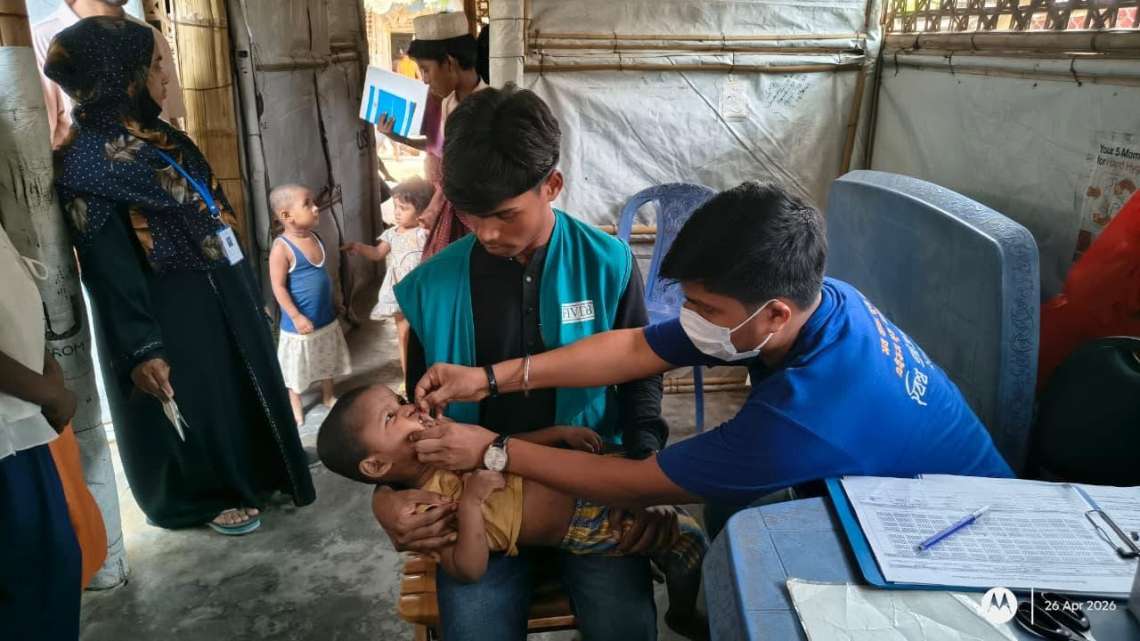
The Rohingya refugee crisis was another major focus. Rahman thanked the US for its continued support to the displaced Rohingya population sheltered in Bangladesh, noting that Washington remains the largest donor for humanitarian assistance. He urged the US to maintain its support, citing the immense social and economic burden on Bangladesh.

Hooker thanked Bangladesh for hosting a large number of Rohingya refugees and stressed the importance of broader international burden-sharing. She also encouraged Bangladesh to expand livelihood opportunities for Rohingyas for as long as they remain in the country, while reiterating the need for a durable solution to the crisis.
Rahman further requested US consideration for access to financing from the US International Development Finance Corporation (DFC) for Bangladesh’s private sector, as well as support for semiconductor development. Hooker assured that these proposals would be considered.
On regional and global security issues, Rahman conveyed Bangladesh’s interest, in principle, in joining an international stabilisation force that may be deployed in Gaza. Hooker said the US was willing to work with Bangladesh on the matter.
In a separate meeting with Assistant Secretary Paul Kapur, Rahman discussed the upcoming elections, bilateral relations, the Rohingya crisis, visa bond issues, trade and investment, and wider regional developments.
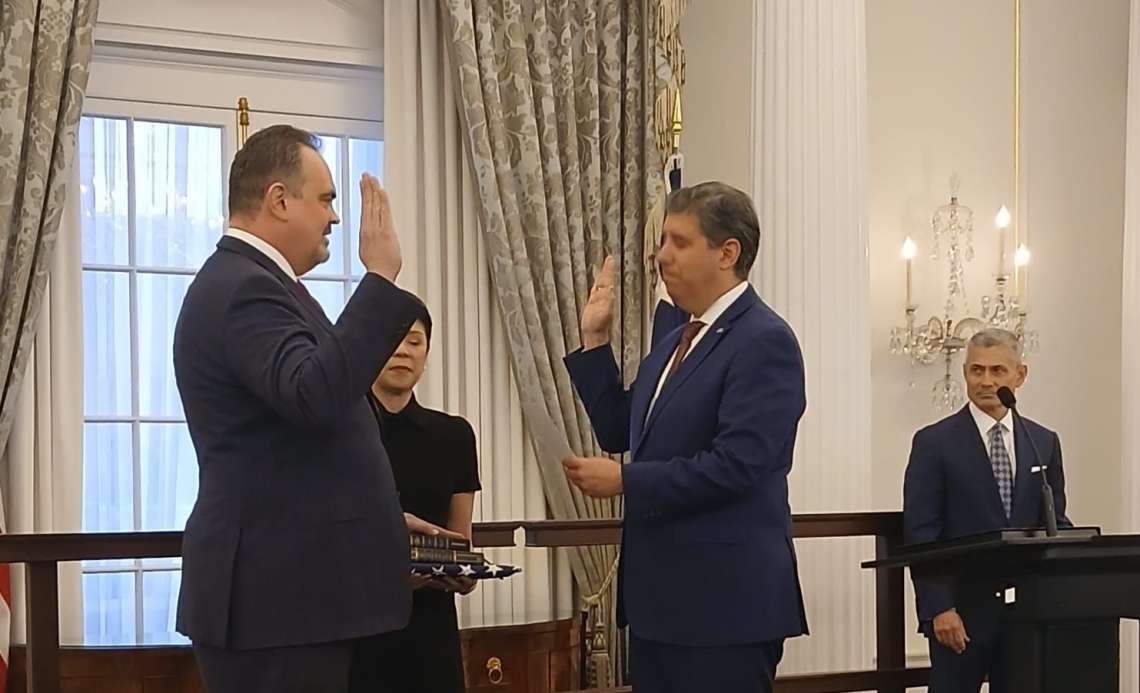
Rahman also attended the swearing-in ceremony of Brent Christensen as the new US Ambassador to Bangladesh at the State Department, where Deputy Secretary of State for Management and Resources Michael J Rigas administered the oath. Senior US officials, diplomats, military representatives, business leaders and Bangladesh’s Ambassador to the US were present.
In his remarks, Christensen reaffirmed US support for Bangladesh’s democratic journey and expressed optimism about strengthening bilateral relations with the next elected government.