Australian think tank says Bangladesh’s proposed JF-17 fighter jet purchase could have far-reaching strategic and economic consequences….reports Asian Lite News Desk
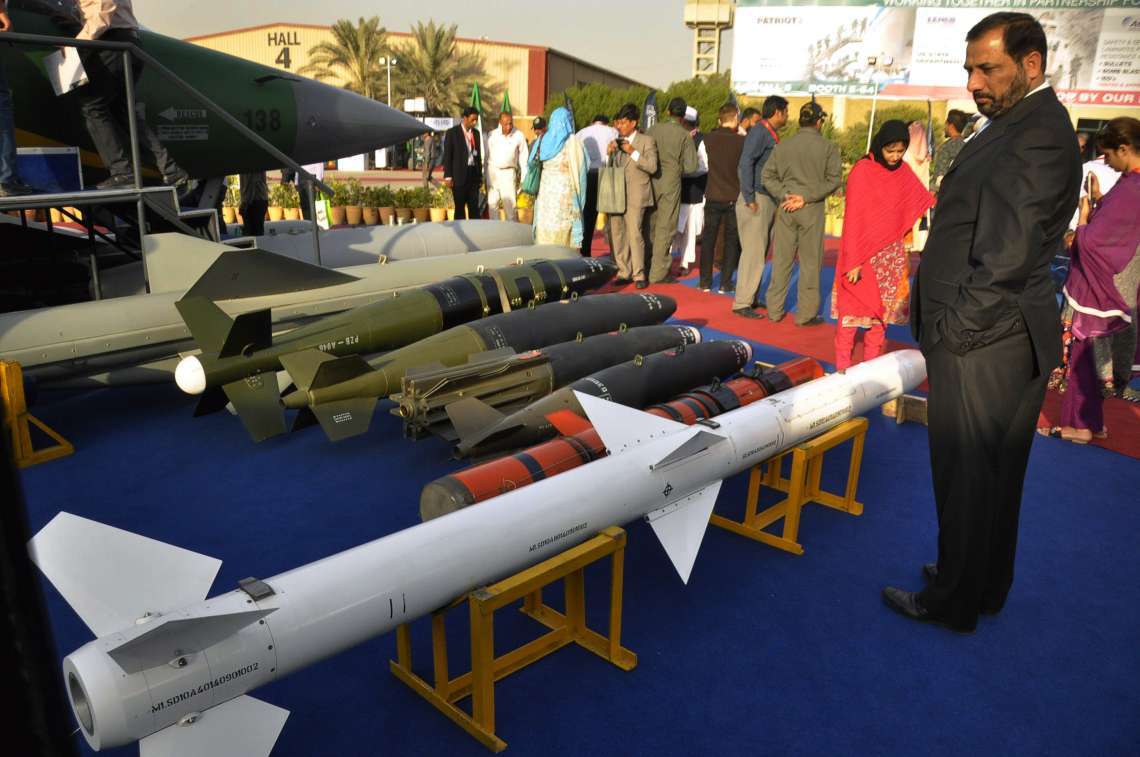
Bangladesh’s reported plans to acquire Chinese-Pakistani JF-17 Thunder Block III fighter jets have come under scrutiny amid concerns over the country’s economic challenges and the broader geopolitical implications of deepening defence ties with Pakistan and China.
A report published by the Australian Institute of International Affairs (AIIA) argues that the potential acquisition, estimated to be worth between USD 400 million and USD 720 million, represents far more than a routine military procurement and could have significant consequences for Bangladesh’s strategic alignment, fiscal priorities and foreign policy posture.
The report notes that Bangladesh’s foreign policy has traditionally been guided by the principle of “friendship towards all, malice towards none”. However, it suggests that a commitment of up to USD 720 million to a Sino-Pakistani defence platform would test that doctrine at a time when the country is grappling with economic pressures and shifting regional dynamics.
According to the report, the issue also raises concerns about the level of public and institutional scrutiny surrounding a decision of such strategic importance.
It argues that any procurement of this scale should be subject to rigorous parliamentary oversight, independent economic assessment and broader public debate, given its long-term implications for national security and foreign relations.

The debate gained momentum following the reported delivery of a JF-17 Thunder Block III combat simulator to Bangladesh earlier this month.
The report states that a Pakistan Air Force C-130J aircraft landed in Dhaka in May carrying a full-scale combat simulator, marking the first known arrival of Pakistani military aviation hardware in Bangladesh since the country’s independence in 1971.
The simulator was delivered during the inaugural formal Air Staff Talks between the Bangladesh Air Force and the Pakistan Air Force and is being viewed as a preparatory step ahead of a possible purchase of between 16 and 48 JF-17 Block III multirole fighter aircraft.
Supporters of the proposal have pointed to the operational requirements of the Bangladesh Air Force, whose ageing fleet includes F-7BG and MiG-29 aircraft nearing the end of their service life. The country’s Forces Goal 2030 modernisation programme has identified the need to strengthen air power capabilities as part of a broader effort to modernise the armed forces.
However, the AIIA report argues that focusing solely on military requirements overlooks the wider political and economic dimensions of the proposed acquisition.
It contends that fighter aircraft purchases should not be viewed simply as defence procurements but as long-term strategic commitments that often shape diplomatic relationships and defence dependencies for decades.
“A fighter jet is never merely a weapons platform,” the report stated, arguing that such purchases are also political and economic decisions that can influence a country’s strategic orientation.
The report warns that Bangladesh could become increasingly tied to a Sino-Pakistani defence supply chain, potentially limiting future flexibility and creating long-term maintenance, training and logistical dependencies.
It further notes that any decision to proceed with the JF-17 programme would have to be assessed against the backdrop of Bangladesh’s current economic challenges and competing development priorities.
The report also highlights the broader geopolitical context surrounding the proposed deal.
The JF-17 Thunder programme was jointly developed by Pakistan Aeronautical Complex and China’s Chengdu Aircraft Corporation as part of efforts to reduce Pakistan’s reliance on Western defence suppliers.
As a result, the report argues that any sale of the aircraft to Bangladesh should not be viewed solely as a bilateral agreement between Dhaka and Islamabad.
Instead, it describes the transaction as effectively trilateral in nature, with Beijing playing a central role through its technological, manufacturing and supply chain involvement.
“The JF-17 is a Sino-Pakistani product,” the report said, adding that China remains the principal stakeholder behind the platform despite Pakistan’s prominent role in its production and export.
The report concludes that while Bangladesh has legitimate defence modernisation requirements, policymakers must carefully weigh the military benefits of the proposed acquisition against its financial costs, diplomatic consequences and long-term strategic implications before making a final decision.
The Bangladeshi government has not publicly confirmed any agreement for the purchase of JF-17 fighter jets, although defence cooperation between Dhaka and Islamabad has expanded in recent years.