UNDP warns Bangladesh’s political parties that women hold just 2.33 per cent of committee seats despite a legal target of 33 per cent by 2030…reports Asian Lite News
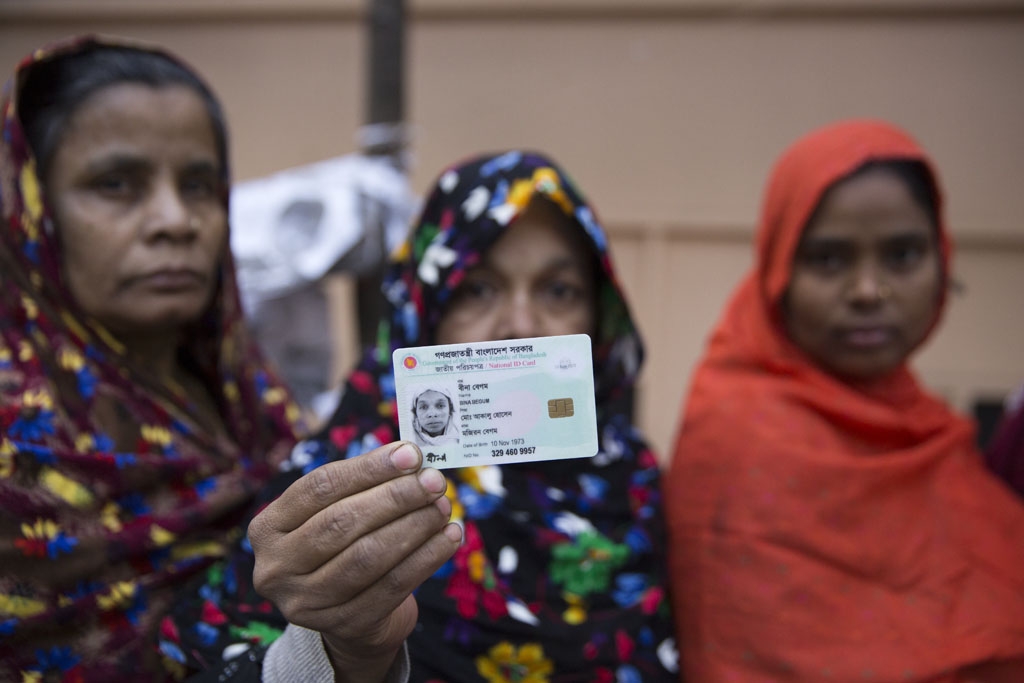
Bangladesh is facing a stark democratic deficit as women remain largely shut out of political leadership despite making up a significant share of the country’s voters, the United Nations Development Programme has warned.
The alarm was raised at a dialogue held in Dhaka last month, jointly organised by UNDP and the Bangladesh Election Commission, which opened with a symbolic performance titled Women to Discover, Develop, and Lead.
The figures tell a stark story. Bangladesh’s electoral law mandates 33 per cent female representation in political party committees by 2030. The current level stands at just 2.33 per cent.
Election Commissioner Anwarul Islam Sarker placed the responsibility firmly on political parties. “Political parties must take more initiatives regarding nominations for women candidates,” he said. “The Election Commission acts as a referee — without initiatives from both sides, progress is not possible.”
Fellow Commissioner Tahmida Ahmad said safety was central to the problem. “Good governance and proper implementation of law enforcement are essential to ensure safety, which will encourage women’s participation,” she said.
The dialogue made clear that quotas alone would not solve the problem. Speakers called for a deeper cultural shift within political structures to create an environment where women can safely and confidently step into public life.
Chief Election Commissioner A M M Nasir Uddin offered a striking economic argument for change, noting that if women’s unpaid household work were monetised, Bangladesh’s GDP could triple.
UNDP Resident Representative Stefan Liller said the stakes extended beyond equality. “When women lead, democracy becomes stronger, and communities and societies prosper,” he said. “A strong democracy depends on women participating fully, not only as voters but also as leaders and decision-makers.”
The dialogue concluded with a renewed partnership between UNDP and the Bangladesh Election Commission, signalling a shared commitment to institutional reform and sustained advocacy.
“Advancing women’s political leadership is not just a matter of rights or justice,” UNDP said, “but a fundamental necessity for the prosperity and strength of Bangladesh’s democracy.”