Russia’s Chief Justice Igor Krasnov has arrived in New Delhi for a three-day BRICS judicial forum focused on legal cooperation and emerging challenges. Judicial leaders will discuss international disputes, artificial intelligence, technology and sustainable development…reports Asian Lite News Desk
Russian Chief Justice Igor Krasnov has arrived in New Delhi to attend the BRICS Chief Justices’ Forum, where judicial leaders from member and partner countries are expected to discuss legal cooperation, international dispute resolution and the use of artificial intelligence in the justice system.
The three-day forum, hosted by the Supreme Court of India, brings together senior judicial figures from across the BRICS grouping and partner countries. The event is taking place in New Delhi from September 4 to 6.
Krasnov was received at the airport by Russian Ambassador to India Denis Alipov and other officials. During his visit, the Russian Chief Justice is scheduled to hold bilateral meetings with judicial counterparts from other participating countries, with discussions focused on strengthening legal cooperation.
The Russian Embassy in India said in a post on Telegram: “Chief Justice of Russia Igor Krasnov has arrived in New Delhi to participate in the BRICS Chief Justices’ Forum. During his visit, Igor Krasnov will also hold bilateral meetings with foreign counterparts aimed at strengthening legal cooperation. The central event will be a discussion on the use of artificial intelligence in justice,”
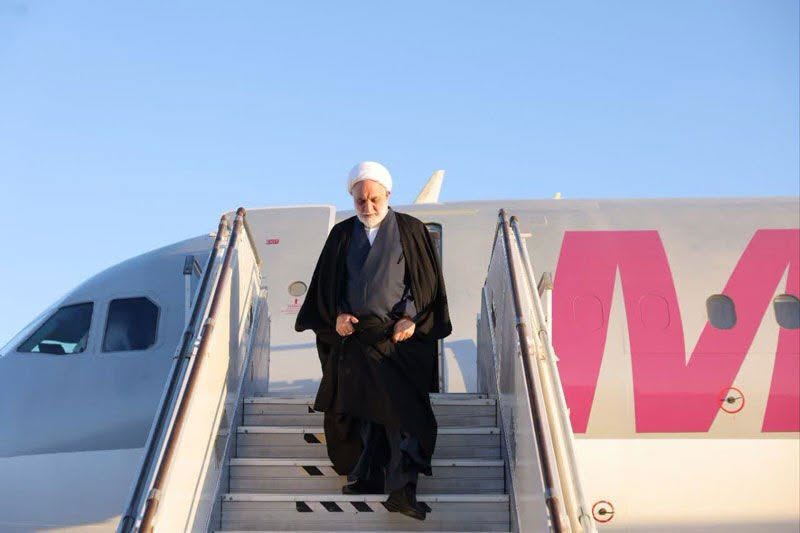
Iran’s Head of Judiciary, Ayatollah Gholam-Hossein Mohseni-Ejei, has also arrived in New Delhi for the forum. On Friday, he offered prayers at Jama Masjid and met its Imam, Maulana Syed Shaban Bukhari.
During his visit, Mohseni-Ejei also interacted with Islamic scholars and religious leaders from various faiths at the Iranian Embassy in New Delhi.

The forum is intended to provide an opportunity for judicial leaders to exchange views on issues affecting justice systems and international legal cooperation. The Supreme Court of India said participating judiciaries would discuss contemporary issues involving justice delivery, international dispute resolution, technology and sustainable development.
Chief Justice of India Surya Kant is due to hold bilateral meetings with heads of judicial delegations during the forum. On Friday, he is scheduled to meet judicial leaders from Russia, China, Egypt, Indonesia, the United Arab Emirates, Belarus, Kazakhstan, South Africa, Iran and Uzbekistan.
“The bilateral meetings will provide an opportunity for direct interaction and exchange of views on matters of mutual judicial interest and will further strengthen engagement among the participating judiciaries,” the Supreme Court of India said in a statement.
On the second day, heads of delegations from BRICS member states and partner countries will address the forum and share their views on issues of common interest to judicial institutions.
The substantive sessions will cover four main areas. These include mediation and international commercial disputes, with a focus on mediation as a mechanism for resolving commercial disputes in a globalised economy.
Another session will examine the cross-border enforcement of arbitral awards, including challenges surrounding enforcement and the prospects for greater procedural harmonisation.
Artificial intelligence and the judiciary will form another major area of discussion. Delegates are expected to examine digital innovation, artificial intelligence and the future of judicial administration.
The fourth area will focus on judicial leadership and sustainable development, including the judiciary’s role in ecological governance and the development of sustainable energy systems.
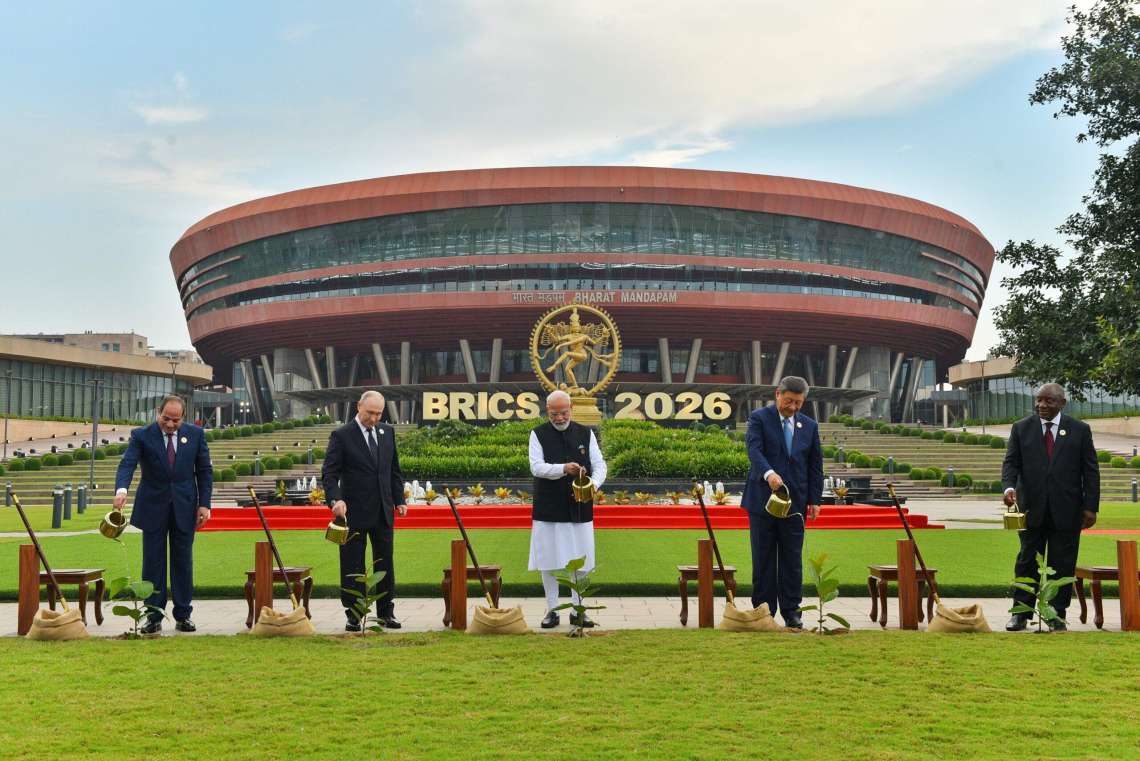
India’s BRICS chairship is being guided by the theme “Building for Resilience, Innovation, Cooperation and Sustainability”. The theme reflects a people-centric and humanity-first approach articulated by Prime Minister Narendra Modi at the 2025 Rio Summit.
BRICS currently comprises Brazil, China, Egypt, Ethiopia, India, Indonesia, Iran, Russia, Saudi Arabia, South Africa and the United Arab Emirates. Its listed partner countries include Belarus, Cuba, Bolivia, Kazakhstan, Malaysia, Nigeria, Thailand, Uganda, Uzbekistan and Vietnam.
The New Delhi forum comes as participating judiciaries seek greater engagement on legal issues that increasingly cross national borders, while also examining the impact of emerging technologies on the administration of justice.