More than a week after devastating flash floods, authorities turn focus towards rebuilding shattered communities…reports Asian Lite News Desk
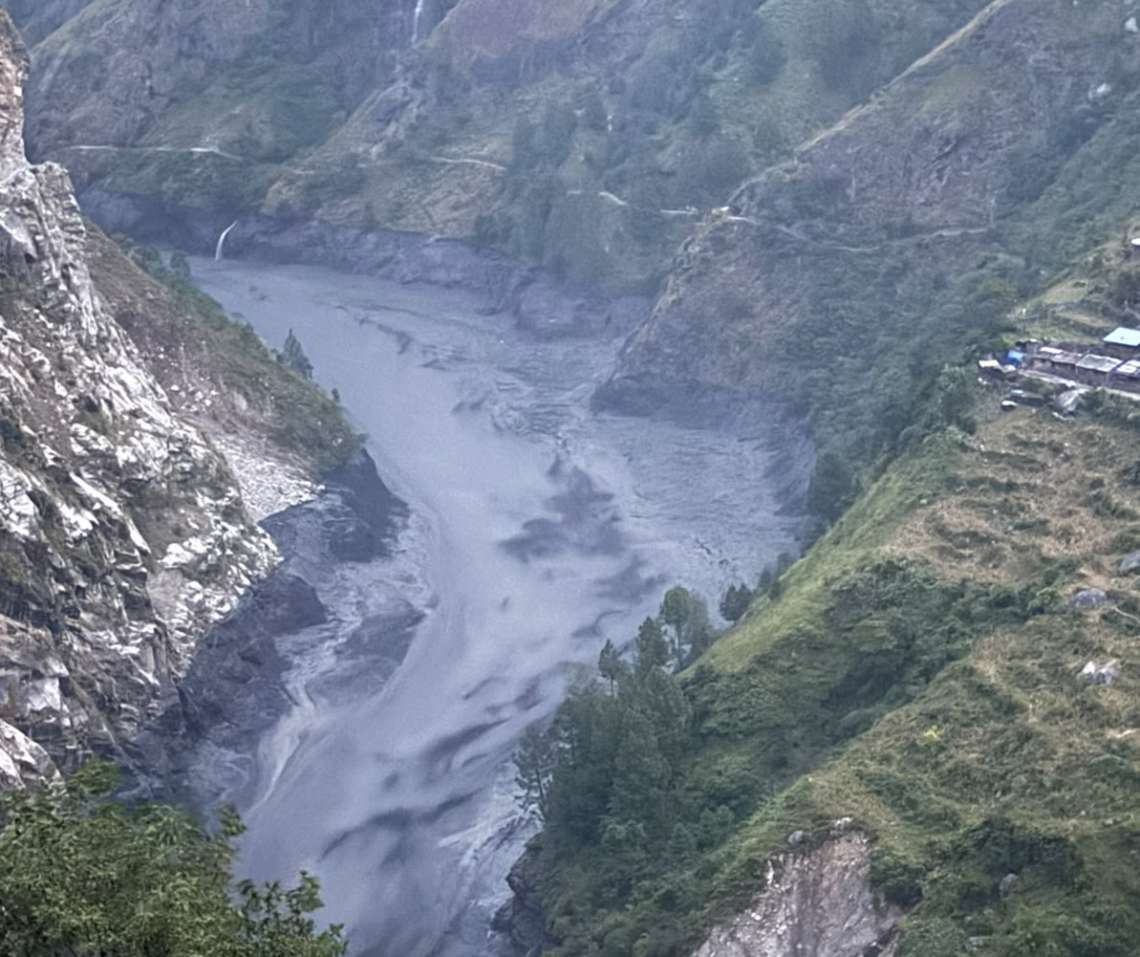
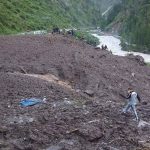
More than a week after devastating flash floods swept through parts of Nepal, killing at least 1,252 people and leaving thousands missing, authorities are shifting their focus towards rebuilding communities and restoring damaged homes, roads and public infrastructure.
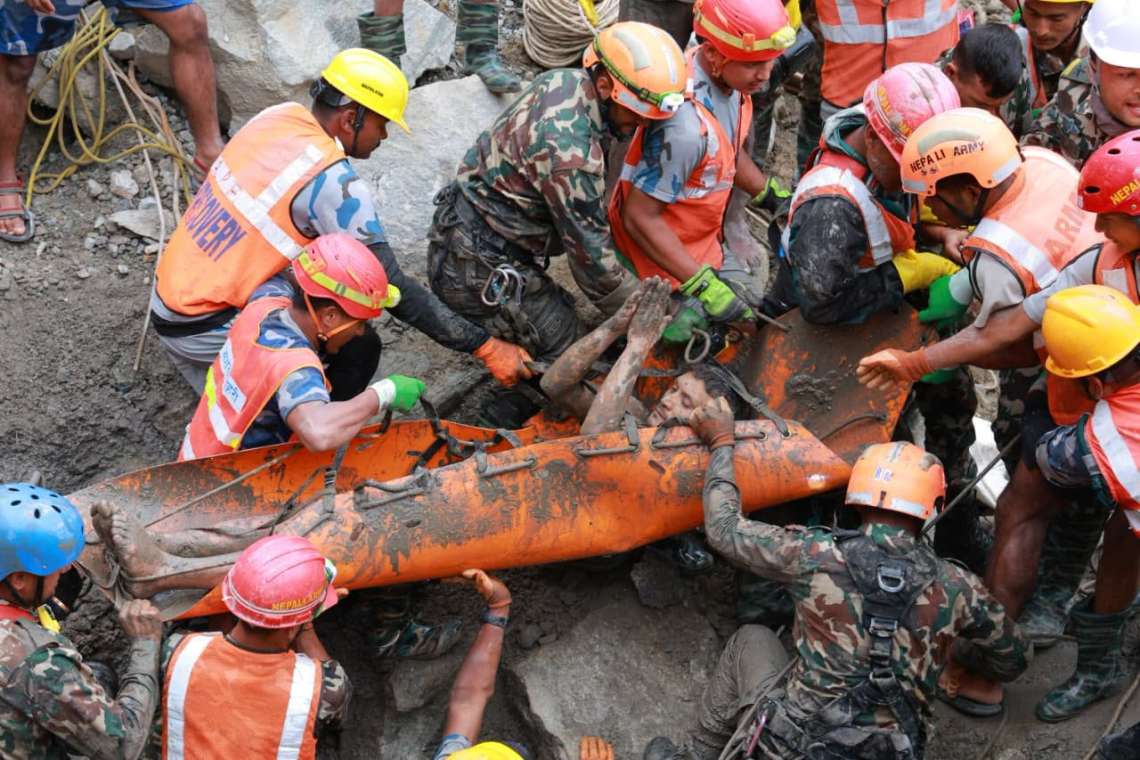
Rescue and relief operations remain underway in several badly affected areas, where thousands of displaced residents continue to live in temporary shelters.
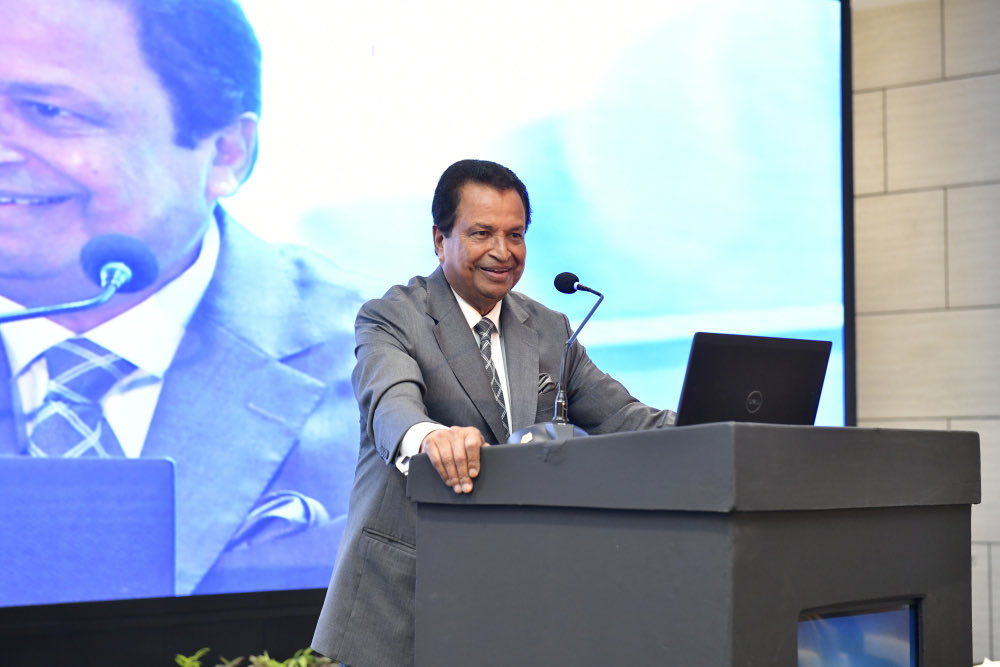
Bidur Municipal Corporation Mayor Rajan Shrestha said the scale of destruction caused by the disaster was unlike anything many Nepalese people had experienced.
“Citizens of Nepal had never in their lives witnessed such a massive scale of destruction caused by a natural disaster,” Shrestha told IANS.

He said property damage in Bidur Municipality had been extensive, with 10 of its 13 wards severely affected by the floods.
“Rescue and relief operations are still underway. There are about 17 holding centres in our area where currently more than 3,000 people have taken shelter,” he said.
With immediate rescue efforts continuing, local authorities are now beginning to plan for the longer-term restoration of homes and other destroyed property.
Shrestha also expressed gratitude to India for providing assistance following the disaster, describing the neighbouring country as one of Nepal’s earliest supporters during the crisis.
He said India had previously provided support following Nepal’s devastating 2015 earthquake and was again contributing to relief, rescue and rehabilitation efforts.
Meanwhile, the Nepal Army has begun efforts to restore vital transport links damaged by the floods.
A 57.5-metre-long iron bridge capable of carrying up to 70 tonnes is being constructed to reconnect Devighat with Kathmandu via Gulchi after the previous bridge collapsed in the disaster.
The destruction of the bridge disrupted road connectivity and caused significant damage to infrastructure in Devighat and surrounding areas.
Major Chiranjibi Chaulagain, Bridge Commander of the Nepal Army’s Bridging Unit, said preparatory work was progressing before construction of the replacement bridge begins.
“We are now going to set up roller layout for the bridge. Today, we’ll complete the roller layout system, and tomorrow early in the morning we will begin the bridge work,” he told IANS.
The Army expects to complete the bridge within five days, providing a crucial transport connection for affected communities.

Away from the rebuilding effort, the human cost of the disaster continues to unfold.
In Kathmandu, families of missing people have gathered near the morgue at Tribhuvan University Teaching Hospital, searching desperately for relatives who disappeared in the floods.
One man searching for a relative said the missing person had travelled to Rasuwa district to deliver goods and was caught in the disaster while waiting for his vehicle to be repaired near Trishuli.
“While it was being repaired, a sudden heavy flood of water came, and since then, there is no trace of him,” he said.
He added that he had repeatedly visited the hospital to search among recovered bodies but had so far been unable to identify his relative.
As Nepal confronts the enormous human and economic cost of the floods, the country now faces the difficult task of rebuilding shattered communities while rescue teams continue searching for thousands still unaccounted for.