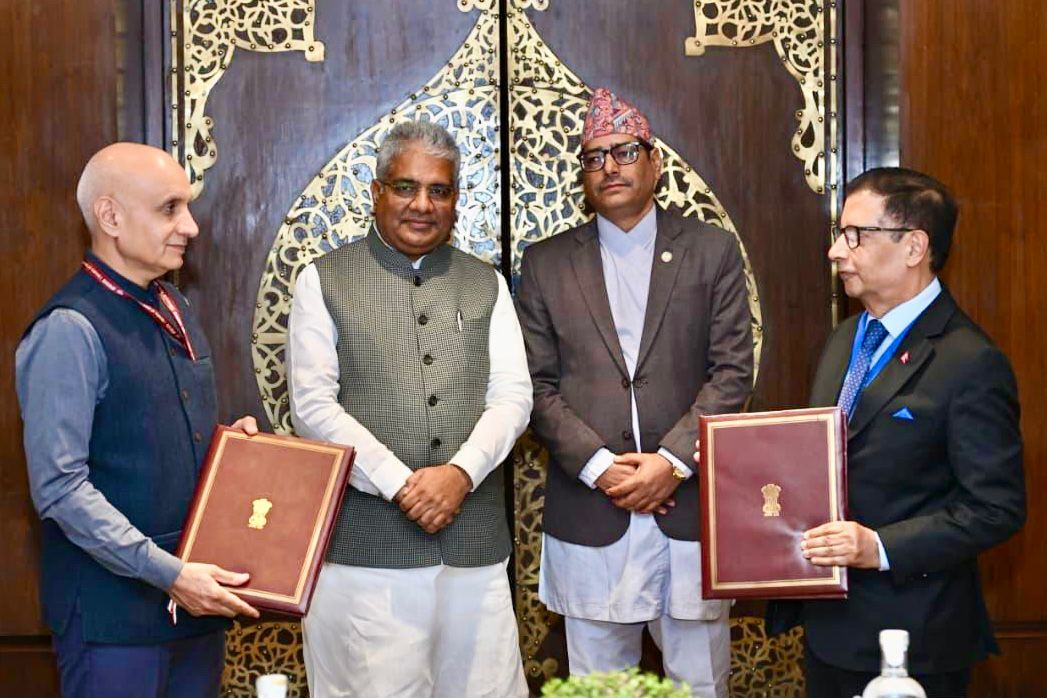
The ceremony was attended by India’s Environment Minister Bhupender Yadav and Nepal’s Minister for Forests and Environment, Madhav Prasad Chaulagain….reports Asian Lite News
India and Nepal have signed a wide-ranging agreement to deepen cooperation in forests, wildlife protection, biodiversity conservation and climate action, reinforcing environmental ties between the two neighbours who share fragile ecosystems and transboundary habitats across the Himalayas and the Gangetic plains.
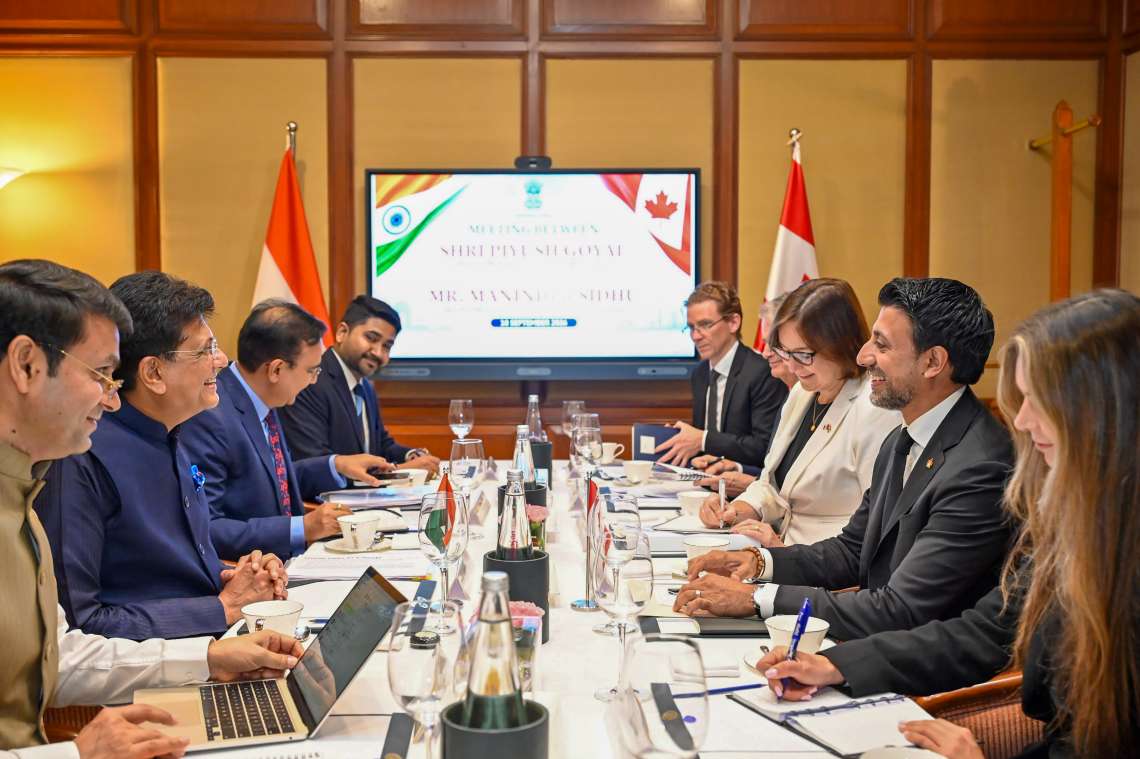
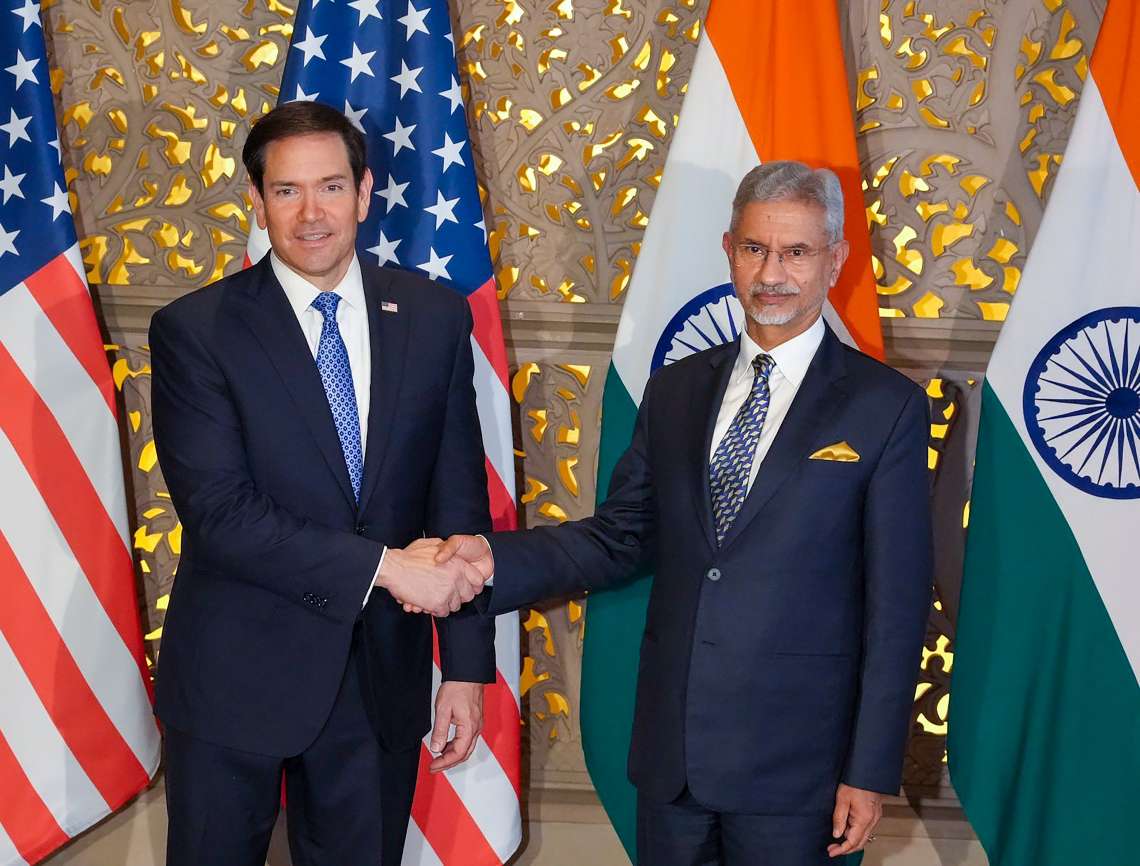
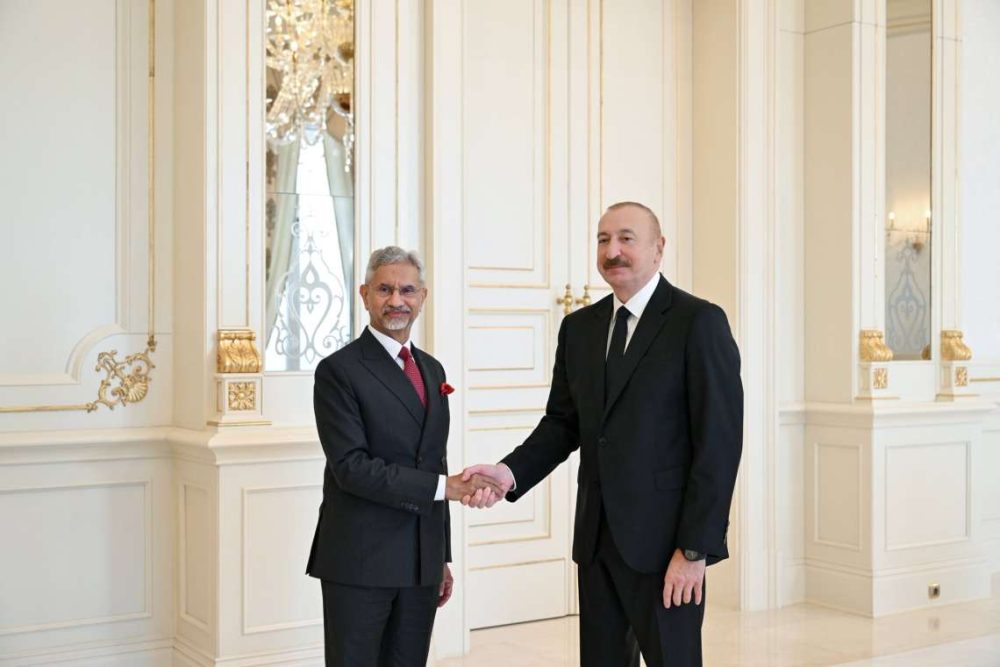
The Memorandum of Understanding was signed in New Delhi between India’s Ministry of Environment, Forest and Climate Change and Nepal’s Ministry of Forests and Environment. The ceremony was attended by Union Environment Minister Bhupender Yadav and Nepal’s Minister for Forests and Environment, Madhav Prasad Chaulagain.
Officials described the pact as a strategic step to strengthen coordination on conservation and climate resilience in a region that is home to some of the world’s most significant biodiversity hotspots. India and Nepal share open borders and interconnected landscapes that support iconic and endangered species, making joint management essential.
Under the agreement, both countries will collaborate on developing biodiversity conservation strategies at the landscape level, with particular emphasis on key species such as elephants, tigers, rhinoceroses, snow leopards, Gangetic dolphins and vultures. Many of these species move across borders, relying on continuous forest corridors and river systems that span both territories.
The MoU outlines plans to restore wildlife corridors and interlinking habitats to create transboundary conservation landscapes. These corridors are considered vital for reducing human-wildlife conflict, maintaining genetic diversity and allowing species to adapt to climate pressures. The agreement also provides for cooperation in forest and protected area management, tackling biodiversity threats and combating forest and wildlife crime.
Another focus area is strengthening the capacity of frontline enforcement staff. Both sides have committed to exchanging technical expertise, sharing best practices and enhancing coordination between conservation agencies. The MoU also promotes the concept of “smart green infrastructure” in biodiversity-rich zones, encouraging development that minimises ecological disruption.
Officials from both countries highlighted that India and Nepal are parties to multiple multilateral environmental agreements and conventions, and that closer bilateral collaboration would help them meet shared international commitments. With glaciers melting in the Himalayas, increasing flood risks in river basins and mounting pressures on forest ecosystems, climate change adds urgency to conservation cooperation.
The signing comes at a time when environmental diplomacy is gaining prominence in South Asia. As climate-related disasters intensify across the region, cross-border collaboration is increasingly viewed as critical to safeguarding water security, wildlife and rural livelihoods.
While the MoU underscores environmental solidarity, developments in Nepal’s domestic politics reflect a parallel shift in how public engagement is unfolding ahead of the country’s 2026 elections.
Nepal’s upcoming election campaign is taking on a distinctly hybrid character, blending traditional grassroots mobilisation with increasingly sophisticated digital outreach. The transformation is particularly notable following the 2025 Gen Z-led uprising, which reshaped political discourse and energised younger voters.
In Kathmandu’s Bagbazar, long known as the capital’s printing hub, business owners say the once-frenzied pre-election rush has slowed dramatically. Bijay Kumar Karki, a veteran printer with four decades of experience producing campaign flags, banners, badges and caps, said orders have fallen sharply compared with the 2022 election cycle.
He recalled that earlier elections relied heavily on hand-painted banners before shifting to screen printing after regulatory changes. This time, however, demand for physical campaign materials has dropped significantly, with political parties investing more in online platforms and targeted digital messaging.
Anita Chaudhary, another screen printer in Bagbazar, echoed the trend. She said sales of campaign materials are noticeably lower, attributing the decline to candidates prioritising social media campaigns over traditional door-to-door canvassing and large-scale banner displays.
Analysts suggest that Nepal’s political landscape is adapting to a more connected electorate. With younger voters consuming news and political messaging online, parties are reallocating resources from print-heavy campaigns to digital advertising, influencer engagement and data-driven outreach.