Record-breaking MILAN 2026 ends in Visakhapatnam as 74 nations and 42 warships join forces, showcasing India’s rising naval power and global maritime partnerships….reports Asian Lite News
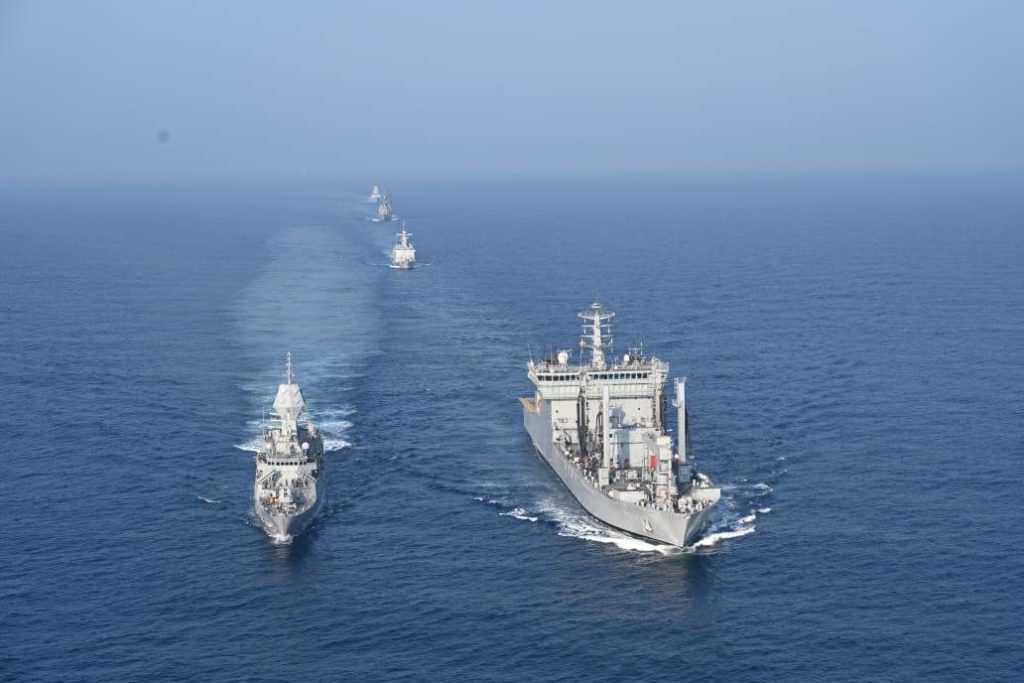
Exercise MILAN 2026, one of the world’s largest multilateral naval drills, has concluded in Visakhapatnam after days of high-intensity maritime operations, strategic exchanges and coordinated combat exercises involving 74 nations, 42 warships and more than 30 aircraft and helicopters.
Hosted by the Indian Navy on the eastern seaboard, the 13th edition of the exercise marked its most expansive chapter yet, underscoring India’s growing role as a key maritime security partner in the Indian Ocean Region. The event brought together a broad spectrum of navies, reflecting increasing global focus on cooperation in securing vital sea lanes and maintaining stability across interconnected waters.
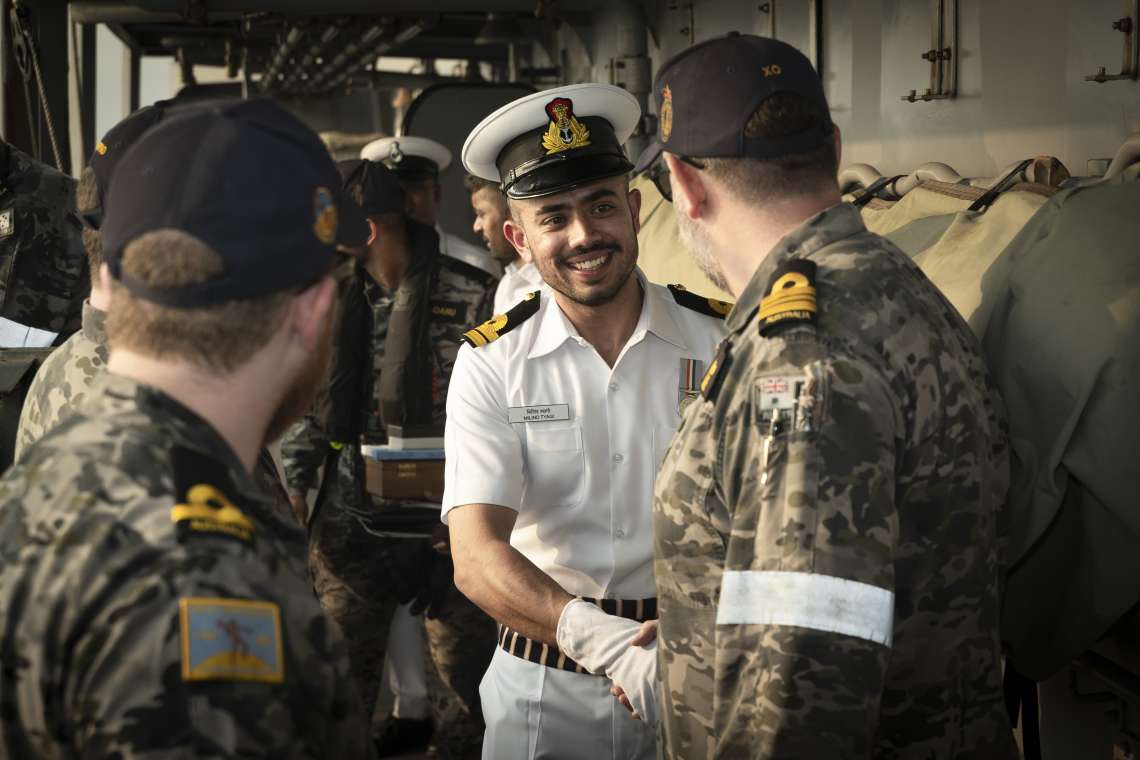
The exercise unfolded in two distinct segments: the Harbour Phase and the Sea Phase. The Harbour Phase centred on professional exchanges, operational discussions, subject matter expert interactions and cross-deck visits aimed at enhancing understanding and interoperability. The Sea Phase transitioned into complex tactical manoeuvres, coordinated drills and simulated maritime combat scenarios, allowing participating forces to test joint operational readiness in real-time conditions.
Speaking at the inauguration ceremony in Visakhapatnam, Defence Minister Rajnath Singh described MILAN 2026 as the largest and most inclusive edition in the exercise’s history. He said the scale of participation reflected the confidence the global maritime community places in India as a trusted and responsible maritime partner.
He emphasised that modern maritime challenges — from piracy and trafficking to humanitarian crises and strategic competition — cannot be tackled by any single navy in isolation. In an era defined by interdependence and shared vulnerabilities, cooperation at sea has become indispensable. MILAN, he said, provides a platform to enhance interoperability, share best practices and strengthen bonds rooted in mutual benefit.
Originally conceived as a regional naval gathering, MILAN has steadily expanded in scope and stature over the years. What began as a modest interaction among a handful of friendly navies has evolved into a major multinational exercise that draws participation from across continents. The 2026 edition demonstrated not only quantitative growth in numbers but also qualitative depth in operational integration.
The Indian Navy used the opportunity to showcase its expanding capabilities and operational reach. With a new warship being commissioned roughly every 50 days, India’s maritime force is undergoing rapid modernisation. The participation of 42 warships and dozens of aircraft highlighted the logistical coordination and planning required to execute such a large-scale exercise.
Beyond combat readiness, MILAN also carries diplomatic weight. Naval engagements of this scale serve as instruments of maritime diplomacy, reinforcing partnerships and signalling collective commitment to freedom of navigation, rule-based order and regional stability. For many smaller and developing nations, the exercise offers exposure to advanced operational procedures and technology sharing opportunities.
As MILAN 2026 drew to a close, the message from Visakhapatnam was clear: maritime cooperation is no longer optional but essential. In waters that carry the bulk of global trade and energy flows, shared security frameworks are critical to ensuring open and secure seas.
With participation reaching record levels and operational complexity continuing to deepen, MILAN’s trajectory mirrors India’s own ascent as a significant maritime power — one seeking not dominance, but durable partnerships across the oceans.