Canada’s British Columbia province has declared a state of emergency as fast-spreading wildfires threaten communities and force large-scale evacuations….reports Asian Lite News Desk
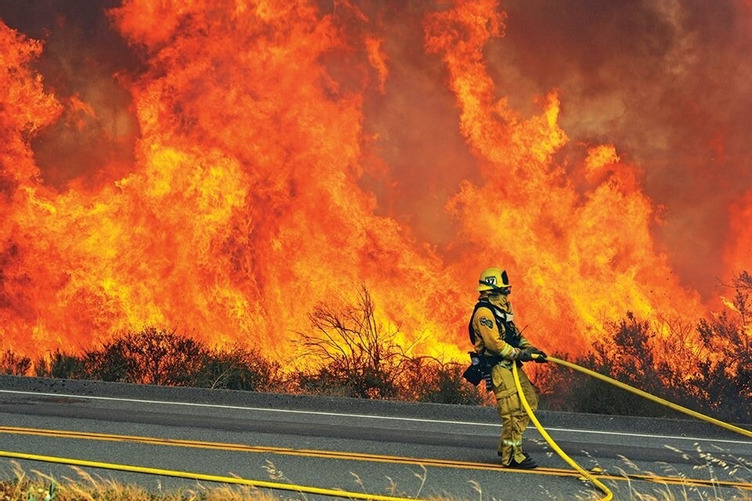
Canada’s western province of British Columbia has declared a provincial state of emergency as fast-spreading wildfires threaten several communities and force thousands of people to evacuate.
British Columbia Premier David Eby announced the emergency declaration on Saturday, saying the move was necessary because of the rapidly changing wildfire situation and large-scale evacuations carried out overnight.
Speaking at a news conference in Vancouver, Eby said authorities needed additional powers and resources to respond to the crisis and protect communities threatened by the fires.
“The conditions of this fire are extremely dangerous and are changing minute by minute,” Eby said, stressing that saving lives and supporting rescue efforts remained the government’s top priority.
He added that air evacuations were under way to rescue people who had become cut off by the advancing flames.
According to the province’s emergency management ministry, the declaration gives the government greater flexibility to respond to the wildfire emergency. The additional powers include the ability to commandeer accommodation and impose local travel restrictions where necessary.
The wildfire near Summerland has been among the most severe, forcing thousands of residents to leave their homes and destroying several homes and other properties.
The emergency declaration comes as authorities across Canada continue to deal with an intense wildfire season and the effects of smoke spreading across large parts of the country.
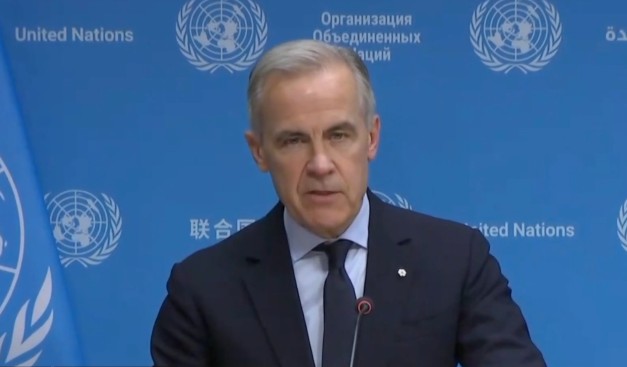
Canadian Prime Minister Mark Carney said on social media later on Saturday that the federal government was ready to provide full support to British Columbia as it responds to the fires and carries out firefighting and relief operations.
Meanwhile, wildfires in northwestern Ontario have caused severe smog and a sharp deterioration in air quality in several regions, including Ottawa and Toronto.
Toronto’s air quality index was reported to be the worst among major cities globally, while Environment Canada classified the city’s Air Quality Health Index as posing a “very high risk”.
Ottawa had also issued air quality alerts as wildfire smoke combined with humid weather. Authorities said high humidity was trapping smoke particles in the air, with the conditions turning the sky yellow in parts of the capital.
The wildfire emergency has also disrupted rail services in affected areas.
A video widely circulated on social media showed a Canadian National Railway train surrounded by raging wildfires near Armstrong, Ontario. The footage, filmed by a member of the locomotive crew, showed flames rising on both sides of the train as the surrounding woodland burned.
Canadian National, commonly known as CN, confirmed on Wednesday that the footage was authentic and said the train crew had been safely evacuated.
More than 100 active fires are currently burning across northwestern Ontario, according to the information provided by authorities, with several communities affected by emergency evacuations.
CN has announced a temporary suspension of train operations along the affected section as the wildfire situation continues to pose risks to transport and public safety.
The fires in British Columbia and Ontario have highlighted the scale of the wildfire threat facing communities across Canada, with authorities responding to evacuations, deteriorating air quality and disruptions to transport.
In British Columbia, officials continue to focus on evacuating people from areas threatened by rapidly advancing flames while using additional emergency powers to support the response.
Eby said the government’s immediate priority remained protecting lives as firefighters and emergency crews worked to contain the fires and assist affected communities.
The situation remains fluid, with authorities warning that wildfire conditions can change rapidly and urging residents in affected areas to follow evacuation orders and emergency instructions.