The UAE has condemned an Iranian missile attack on an ADNOC-linked tanker in the Strait of Hormuz, warning of risks to regional and global energy security, reports Asian Lite News Desk
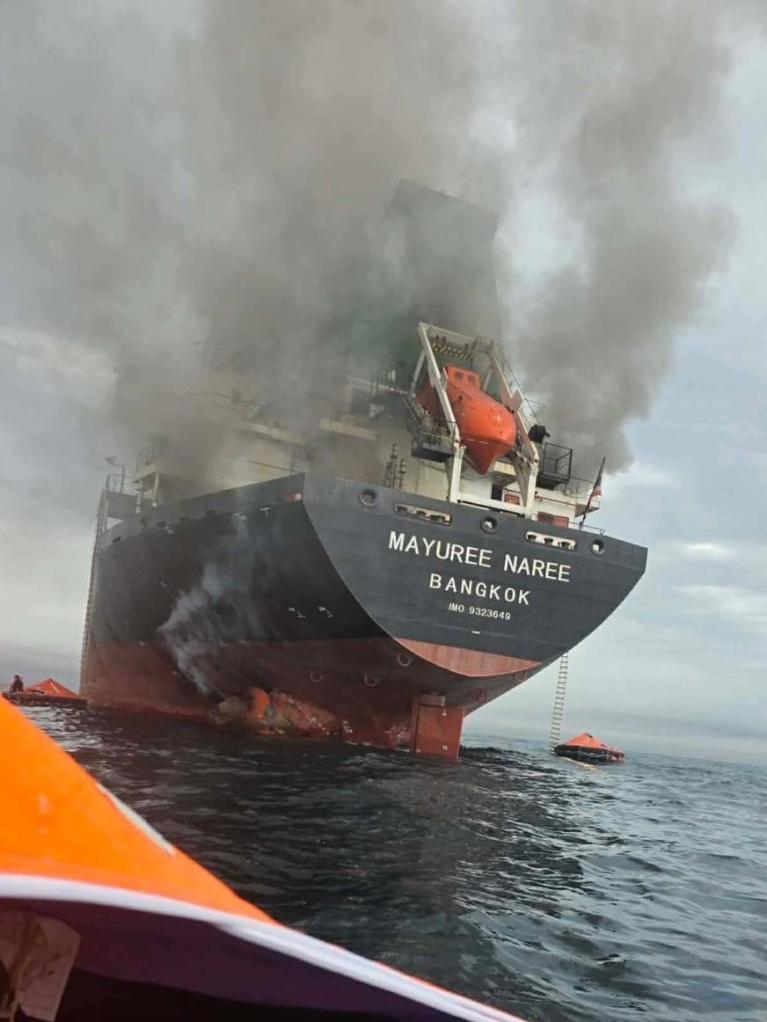
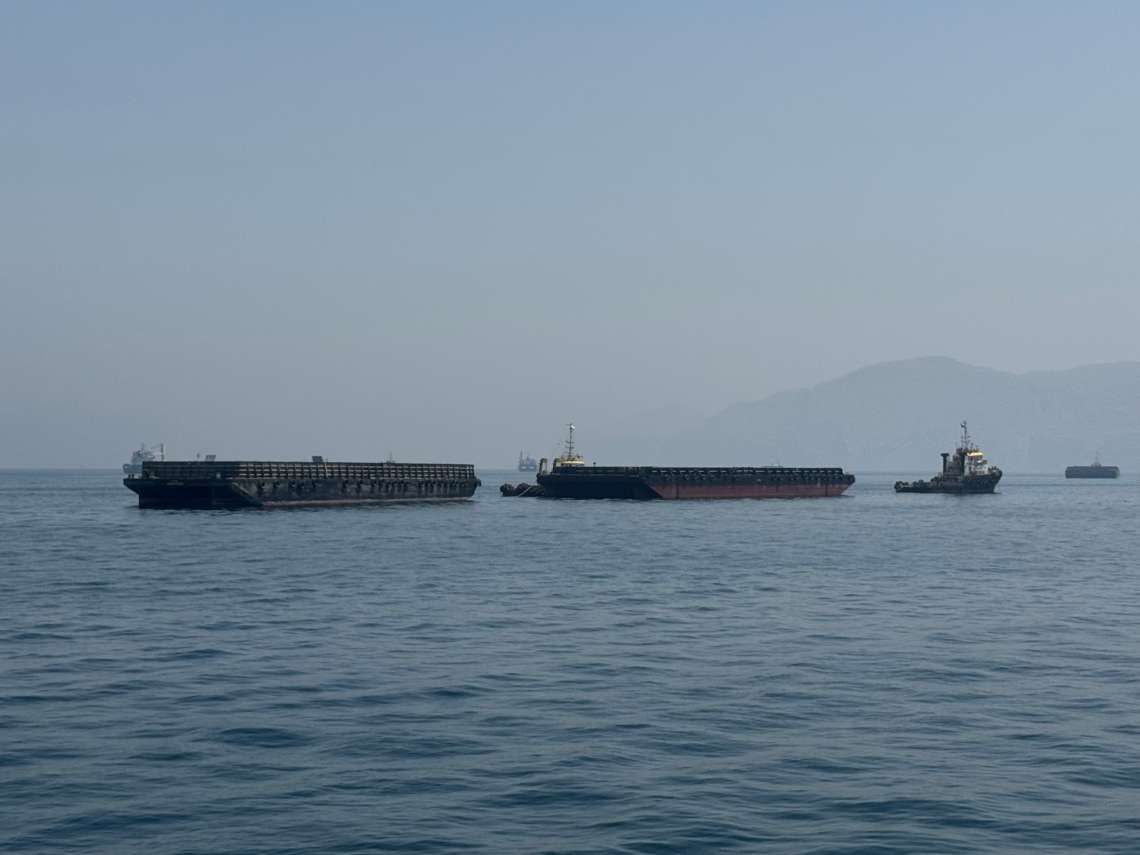
The United Arab Emirates has strongly condemned what it described as a hostile Iranian missile attack targeting a tanker affiliated with Abu Dhabi National Oil Company (ADNOC) as it transited the Strait of Hormuz.
No injuries were reported in the incident.
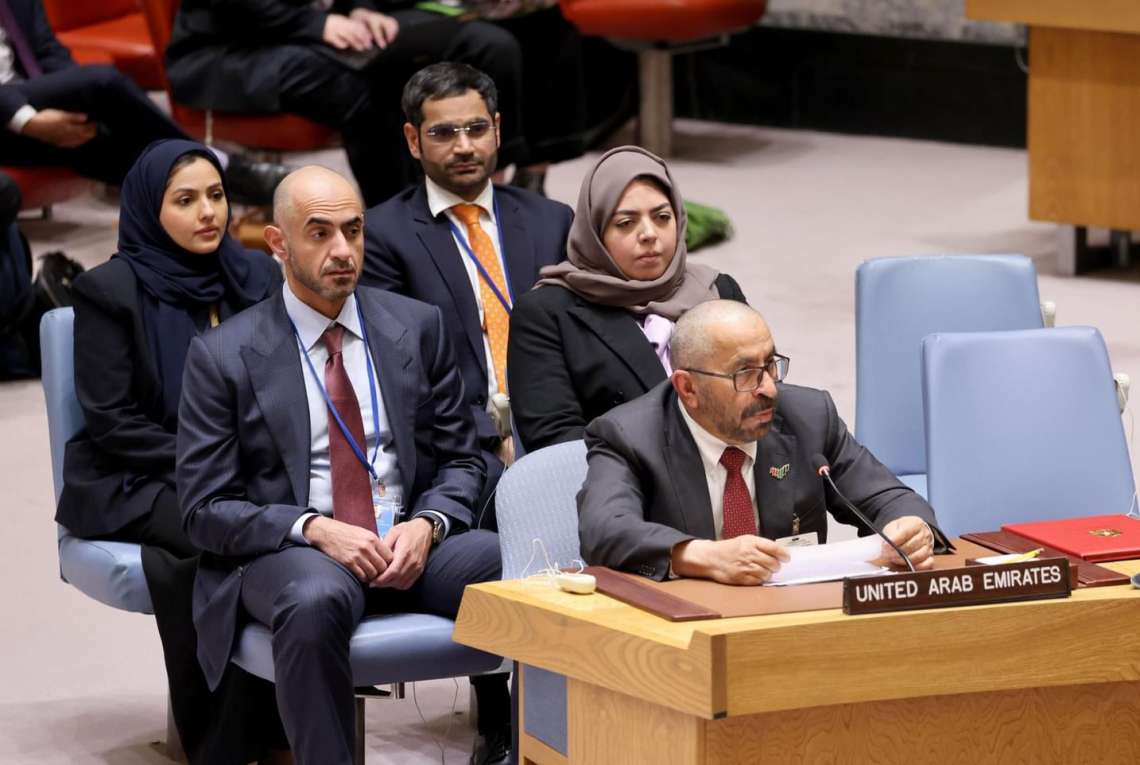
In a statement, the UAE Ministry of Foreign Affairs said the attack was a “flagrant violation” of UN Security Council Resolution 2817, which emphasises freedom of navigation and rejects attacks on commercial vessels or attempts to disrupt international maritime routes.
The ministry said targeting commercial shipping and using the Strait of Hormuz as a means of economic pressure or blackmail amounted to “acts of piracy” by Iran’s Islamic Revolutionary Guard Corps (IRGC).
It warned that such attacks posed a direct threat to regional stability, the safety of people in the region and global energy security.
The UAE called on Iran to immediately halt what it described as unprovoked attacks and reaffirmed the need for an immediate cessation of hostilities.
Abu Dhabi also called for the complete and unconditional reopening of the Strait of Hormuz, stressing the importance of maintaining the security of the vital maritime route for regional stability, international trade and the global economy.
The Strait of Hormuz is one of the world’s most important energy corridors, connecting the Persian Gulf with the Gulf of Oman and the wider Arabian Sea. Disruption to shipping through the waterway can have significant consequences for global energy markets and international trade.
The incident comes amid heightened tensions between Iran and countries in the region, with the security of commercial shipping through the Strait of Hormuz becoming an increasingly sensitive issue.
The UAE’s condemnation also coincided with comments from Iranian President Masoud Pezeshkian, who said Tehran remained committed to dialogue to safeguard its rights but would not be forced to surrender.
Pezeshkian defended Iran’s decision to enter negotiations with the United States and sign a memorandum of understanding aimed at ending the war.
He said Iran would continue to honour its commitments under the agreement as long as Washington fulfilled its own obligations.
“Wherever they fail to fulfil their commitment, we have no obligation to continue,” Pezeshkian said in an interview published on his office’s website.
Iran and the US signed the memorandum in June and were expected to hold negotiations within 60 days to reach a final agreement. Renewed tensions, however, have cast uncertainty over the future of the talks.