UAE urges immediate reopening of Strait of Hormuz, warning Iran’s actions threaten global trade, energy security and maritime stability, as international pressure mounts at the UN, reports Asian Lite Newsdesk
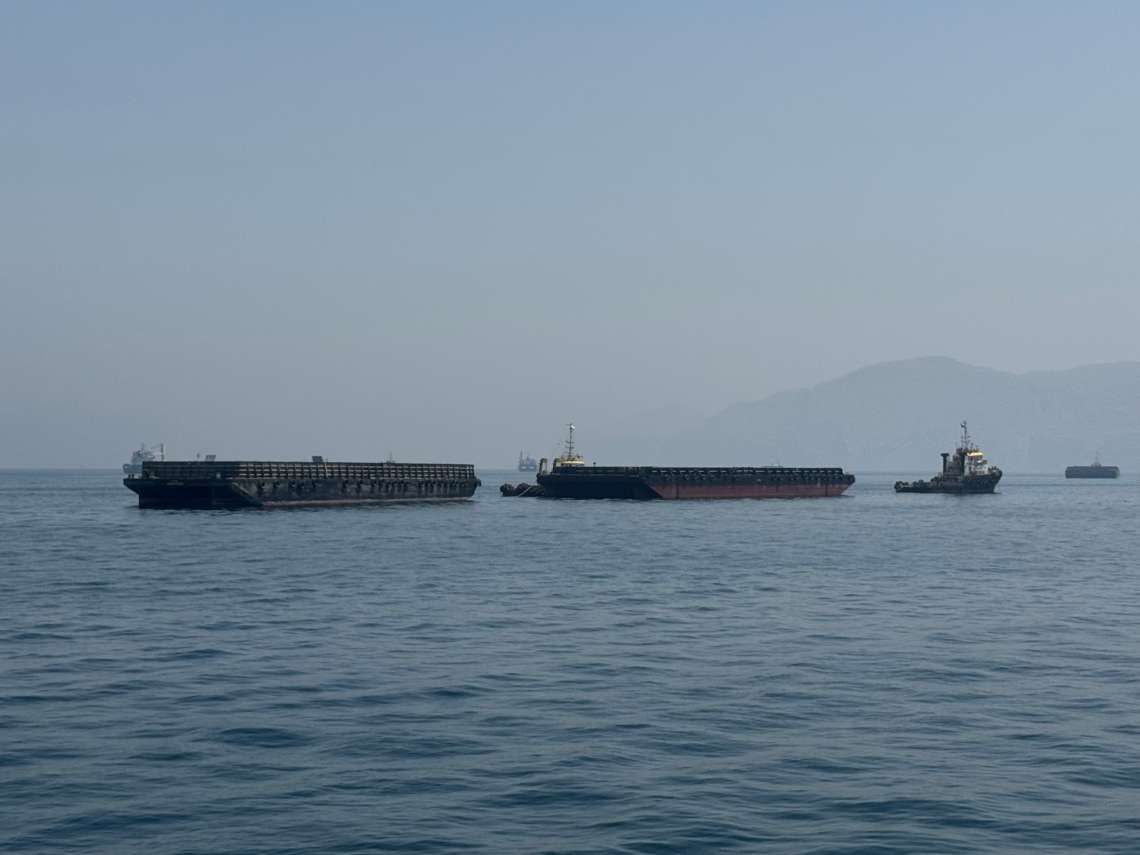
United Arab Emirates has called for the immediate and unconditional reopening of the Strait of Hormuz, urging the international community to hold Iran accountable for what it described as unlawful obstruction of global maritime navigation.
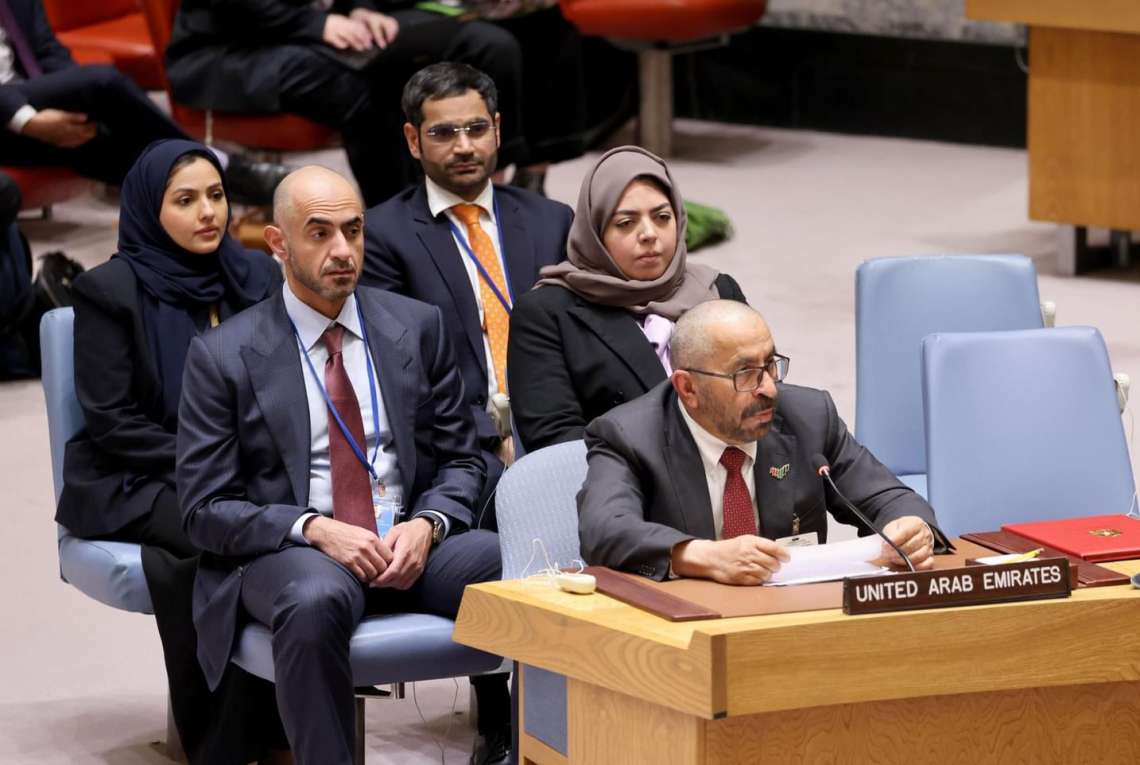
Addressing a high-level debate at the United Nations Security Council, Minister of State Khalifa bin Shaheen Al Marar said Tehran’s actions posed a direct threat to international law, regional stability and global trade, warning that continued disruption could set a dangerous precedent for other critical waterways.
UAE pushes for global action
Speaking at the session on the safety and protection of maritime routes, chaired by Bahrain, Al Marar said recent diplomatic efforts had sought to counter what he termed “unprovoked” Iranian actions, including attacks on Gulf countries and the obstruction of shipping lanes.
He pointed to UN Security Council Resolution 2817, which condemns any attempts to block or interfere with navigation through the Strait of Hormuz, as a reflection of the international community’s stance.
Al Marar also referenced decisions by the International Maritime Organization and the UN Human Rights Council, stating that global institutions have called on Iran to cease its actions and ensure unrestricted transit in line with international law.
Violations and economic coercion
Detailing the allegations, the UAE minister accused Iran of imposing illegal fees on vessels, laying naval mines, and engaging in threats and attacks targeting maritime navigation. He said such actions amounted to “flagrant violations” of international norms and posed serious risks to shipping security.
Al Marar warned that allowing Iran to use the Strait as a geopolitical lever would undermine the rules-based international order. “If such actions persist, it could erode freedom of navigation in vital waterways globally,” he said.
He further asserted that Iran should be held fully liable for damages resulting from its actions, including environmental harm and disruptions to maritime commerce.
The UAE stressed that the Strait of Hormuz remains one of the world’s most critical energy corridors, with its closure already having ripple effects across global markets. Al Marar cautioned that prolonged disruption could significantly impact energy supplies, supply chains, and access to food and fertilisers, particularly in developing economies.
He said the consequences were already being felt and could intensify if the situation is not resolved swiftly, affecting both regional and global economic stability.
Call for coordinated international response
Reiterating the UAE’s position, Al Marar urged collective international action to ensure the sustained and unconditional freedom of navigation through the Strait. He affirmed Abu Dhabi’s readiness to engage in multilateral efforts aimed at safeguarding maritime security.
Ahead of the Security Council debate, the minister joined a joint press event led by Abdullatif bin Rashid Al Zayani, alongside representatives from more than 90 countries. The group issued a unified call for Iran to immediately halt its actions and reopen the Strait to unrestricted transit.
Participating nations warned that continued obstruction and attacks would pose a serious threat to international security and the global economy, reinforcing calls for urgent diplomatic and legal measures.