US and Iran are set to begin high-stakes talks in Islamabad amid deep mistrust, Lebanese conflict tensions, and disputes over sanctions, ceasefire conditions, and regional power balance, reports Asian Lite Newsdesk
High-stakes peace negotiations between the United States and Iran are set to begin in Islamabad, but the process is already under strain as mistrust, political conditions, and regional conflicts threaten to derail the talks before they formally start.
The delegation led by US Vice President JD Vance, along with US special envoy Steve Witkoff and senior adviser Jared Kushner, is travelling to Islamabad for what Washington has described as a critical diplomatic push to stabilise West Asia following weeks of conflict.
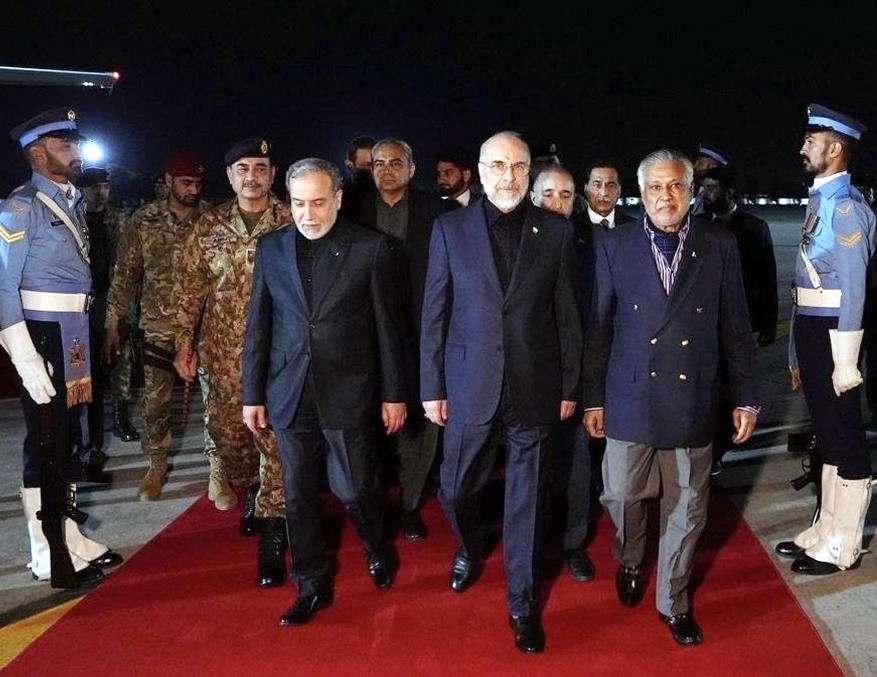
On the Iranian side, a delegation led by Iranian Parliament Speaker Mohammad Baqer Qalibaf and Foreign Minister Abbas Araghchi has already arrived in the Pakistani capital. The group also includes senior officials from security, political, economic and military institutions, underscoring Tehran’s view that the talks carry national strategic weight.
Iranian Parliament Speaker Mohammad Baqir Qalibaf, speaking upon arrival, reiterated that Iran approaches negotiations with “goodwill but no trust”. He said Iran’s experience with past US negotiations had repeatedly ended in “broken promises”, signalling deep scepticism about Washington’s intentions.
However, Tehran has raised immediate preconditions that could delay or even stall the start of discussions. Iranian officials are demanding that the US first ensure a ceasefire in Lebanon and the release of frozen Iranian assets before formal negotiations proceed.
US President Donald Trump, speaking ahead of the talks, took a more confrontational stance, arguing that Iran had limited leverage and warning against what he described as attempts to “play” the negotiating team. Despite this, US officials have expressed cautious optimism that progress can still be achieved if both sides remain engaged.
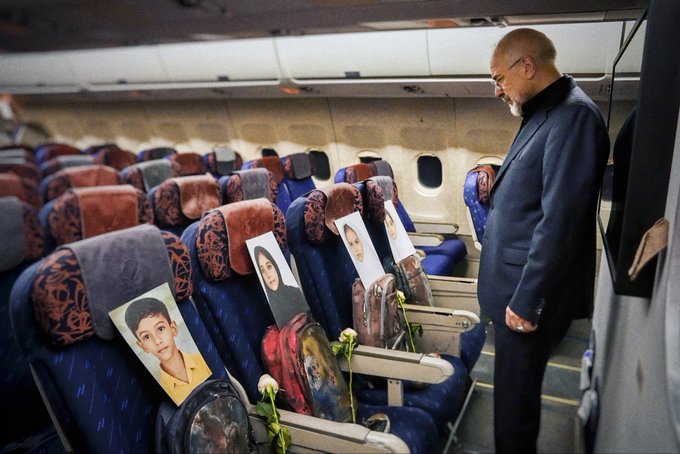
The talks are unfolding against the backdrop of continued instability in Lebanon, where Israeli strikes and rocket fire from Hezbollah militants have persisted despite earlier ceasefire announcements. The conflict has further complicated efforts to separate regional wars from the US-Iran diplomatic track.
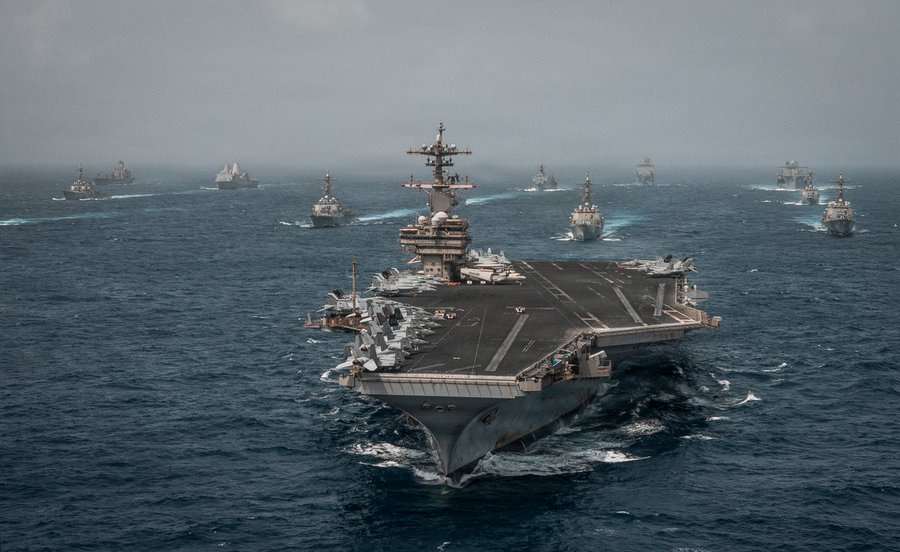
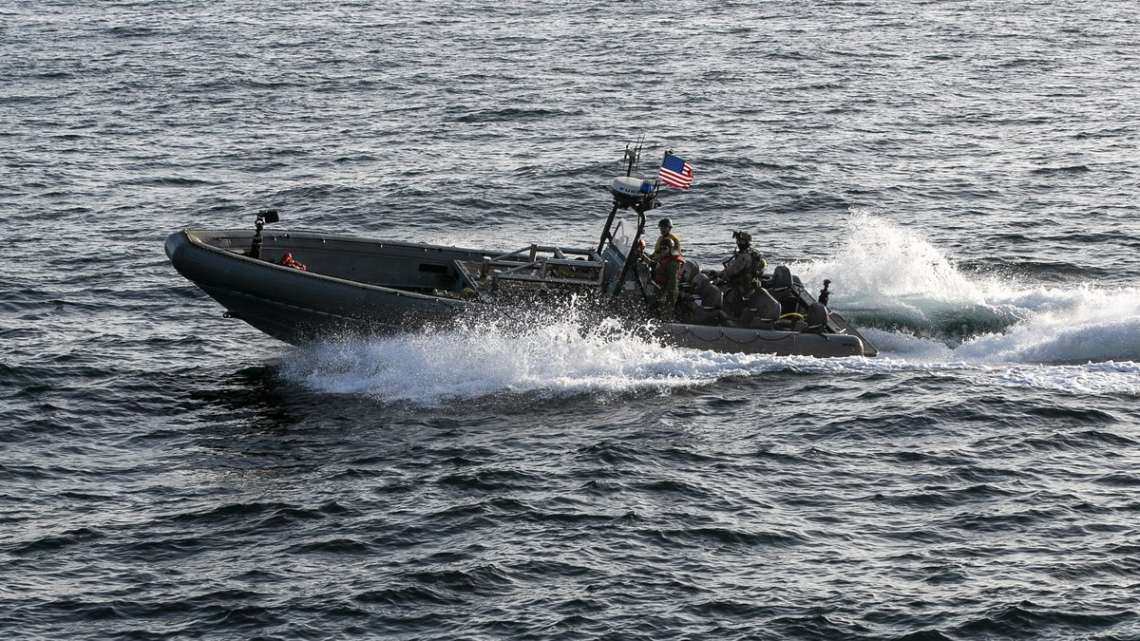
A key point of tension remains the Strait of Hormuz, where partial disruptions have already triggered major global energy supply shocks. Iran’s continued pressure in the waterway has intensified fears of prolonged economic disruption, with ripple effects on inflation and global trade.
Adding to the diplomatic complexity is the role of Pakistan, where heightened security has turned Islamabad into a fortified zone ahead of what Prime Minister Shehbaz Sharif has called “make-or-break” negotiations. Islamabad is hosting the talks at a time of intense geopolitical scrutiny, with competing global powers watching closely.
Iran’s broader demands reportedly include sweeping sanctions relief and international recognition of its influence over key regional maritime routes. Tehran has also maintained that any agreement must address what it sees as wartime losses and frozen financial assets.
At the same time, Iran’s Supreme Leader Ayatollah Mojtaba Khamenei has taken a hardline position, warning that Tehran will seek compensation for wartime damage and hold those responsible for attacks on Iran accountable. His remarks have further hardened Tehran’s negotiating posture.
Despite US claims of strategic gains in the conflict, including degrading Iran’s military capacity, significant challenges remain. Iran continues to maintain missile capability, drone strength, and enriched uranium stockpiles, ensuring it retains substantial leverage in any negotiation.
The outcome of the Islamabad talks remains highly uncertain. While both sides have publicly signalled willingness to engage, the combination of preconditions, regional violence, and mutual distrust suggests that the path to any lasting agreement will be fraught with difficulty.