US-Iran tensions explode as Washington restores blockade on Iranian ports after attacks in Strait of Hormuz, threatening global oil supplies and fragile Middle East stability, reports Asian Lite News Desk
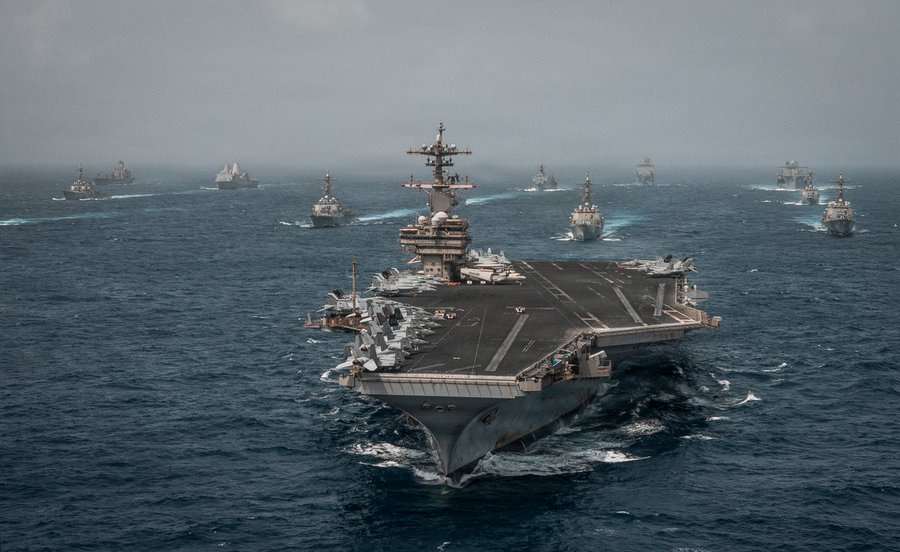
The United States has reimposed a naval blockade on Iranian ports after a series of attacks on commercial vessels in the Strait of Hormuz, escalating tensions between Washington and Tehran and raising fears of a wider Middle East conflict.
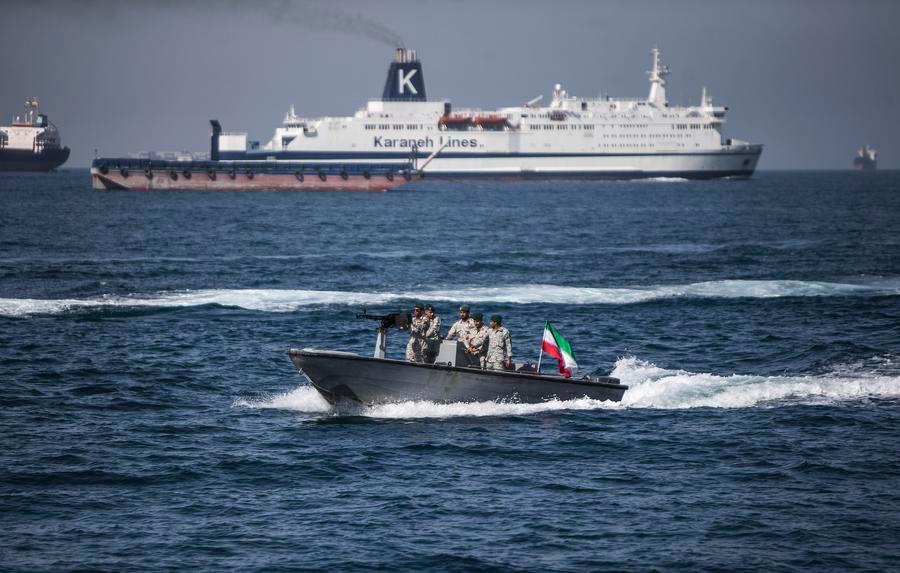
The move comes after Iranian forces targeted ships attempting to pass through the strategic waterway, which serves as one of the world’s most important energy routes. Around 20 million barrels of oil and significant volumes of liquefied natural gas pass through the Strait of Hormuz every day, making any disruption a major threat to global markets.
US President Donald Trump ordered the return of the blockade after an earlier agreement between Washington and Tehran began to collapse. The temporary arrangement, reached in June, had opened a 60-day window for talks on Iran’s nuclear programme and maritime security, but negotiations stalled as military exchanges intensified.
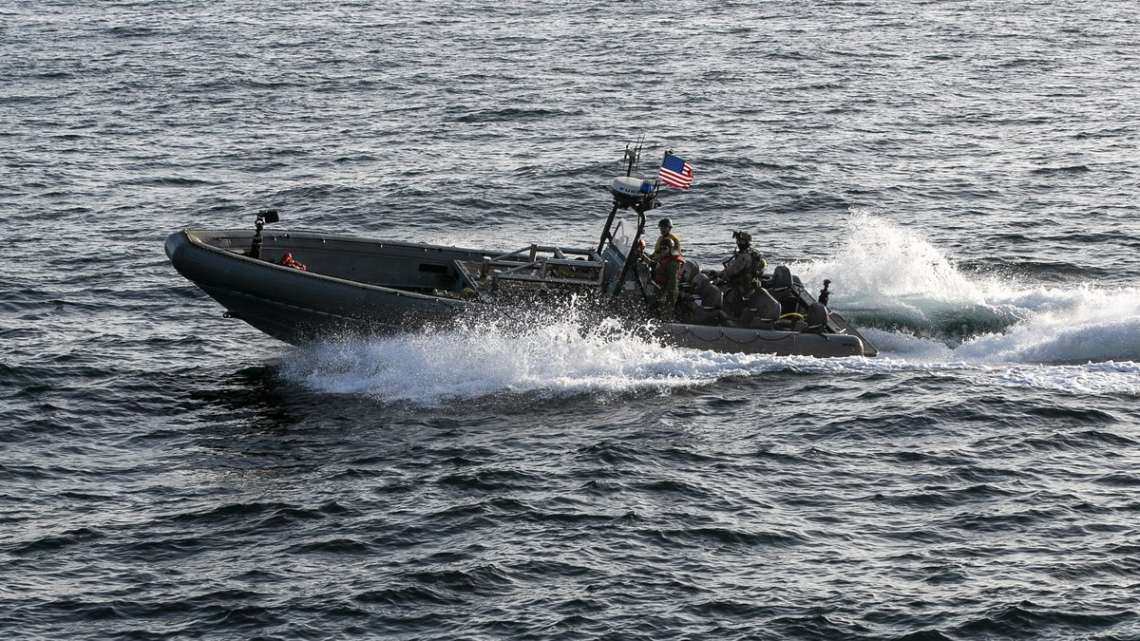
The US military said its latest operations involved strikes against dozens of targets over several hours, aimed at Iranian military infrastructure linked to attacks on shipping. Washington said the blockade was designed to restrict Iranian maritime activity while allowing other commercial vessels to continue using international waters.
Iran responded with missile and drone attacks against US-linked facilities in the Gulf region, with Bahrain, Kuwait and other US allies placed on alert. Iranian officials warned that continued restrictions on its shipping could lead to wider disruptions to regional energy exports.
The confrontation has sent fresh shockwaves through energy markets, with traders warning that prolonged instability around Hormuz could push up oil prices, increase shipping costs and disrupt supply chains. The narrow waterway connects the Persian Gulf with the Gulf of Oman and the Arabian Sea and remains a critical route for exporters including Saudi Arabia, the UAE, Iraq, Kuwait, Qatar and Iran.
The crisis also threatens fragile diplomatic efforts to prevent a broader war. Regional governments have urged restraint, fearing that continued attacks could draw more countries into the conflict and trigger a global energy crisis.