Egyptian President El-Sisi urges Trump to halt Gulf war, warns oil could exceed $200 a barrel, highlights global food risks, and stresses US role in regional stability, reports Asian Lite Newsdesk
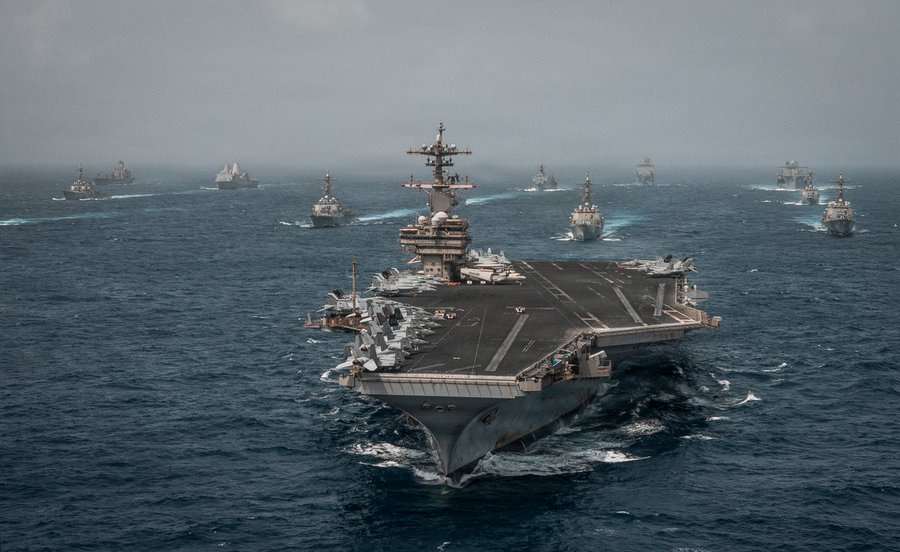
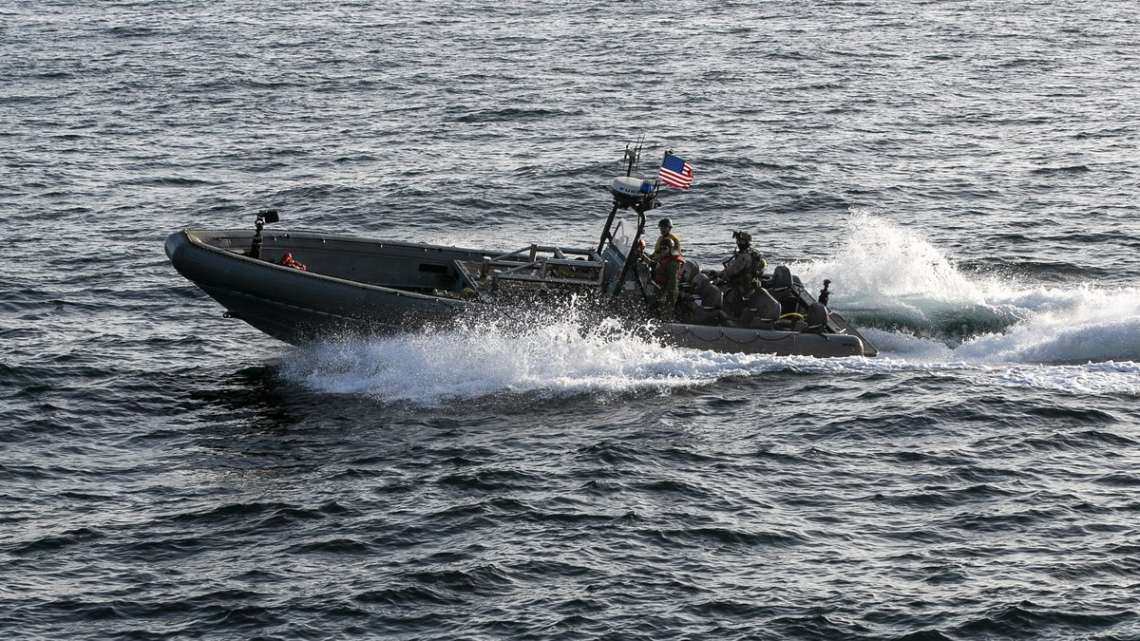
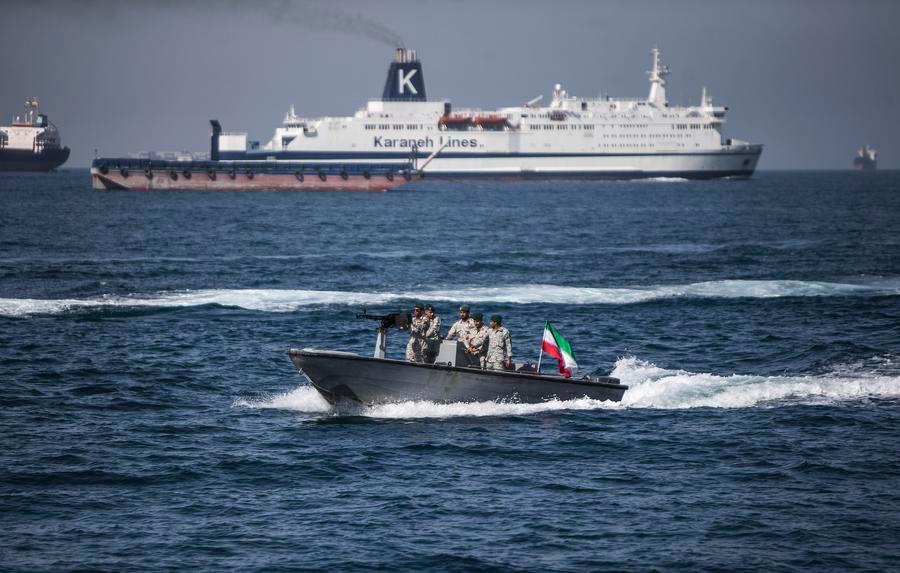
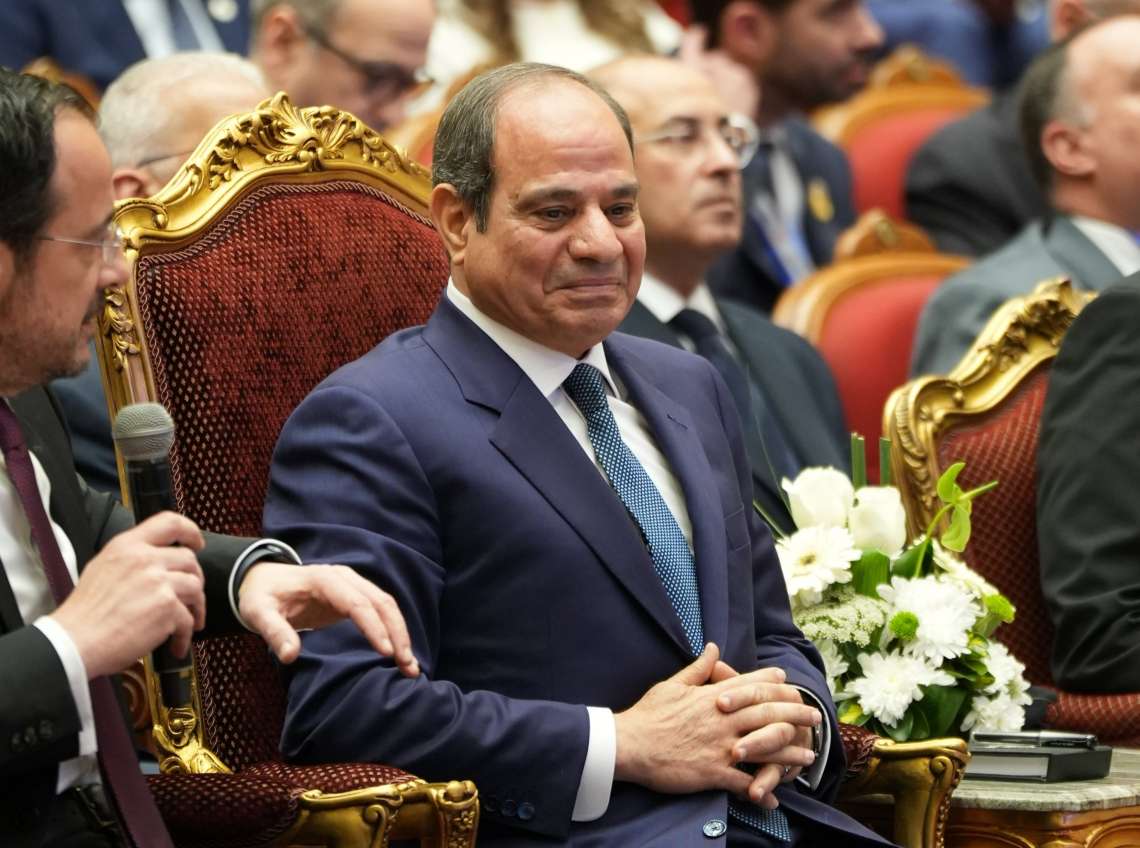
Egyptian President Abdel Fattah El-Sisi on Monday called on US President Donald Trump to intervene to end the ongoing conflict in the Gulf, warning that global oil prices could soar above $200 a barrel if hostilities continue.
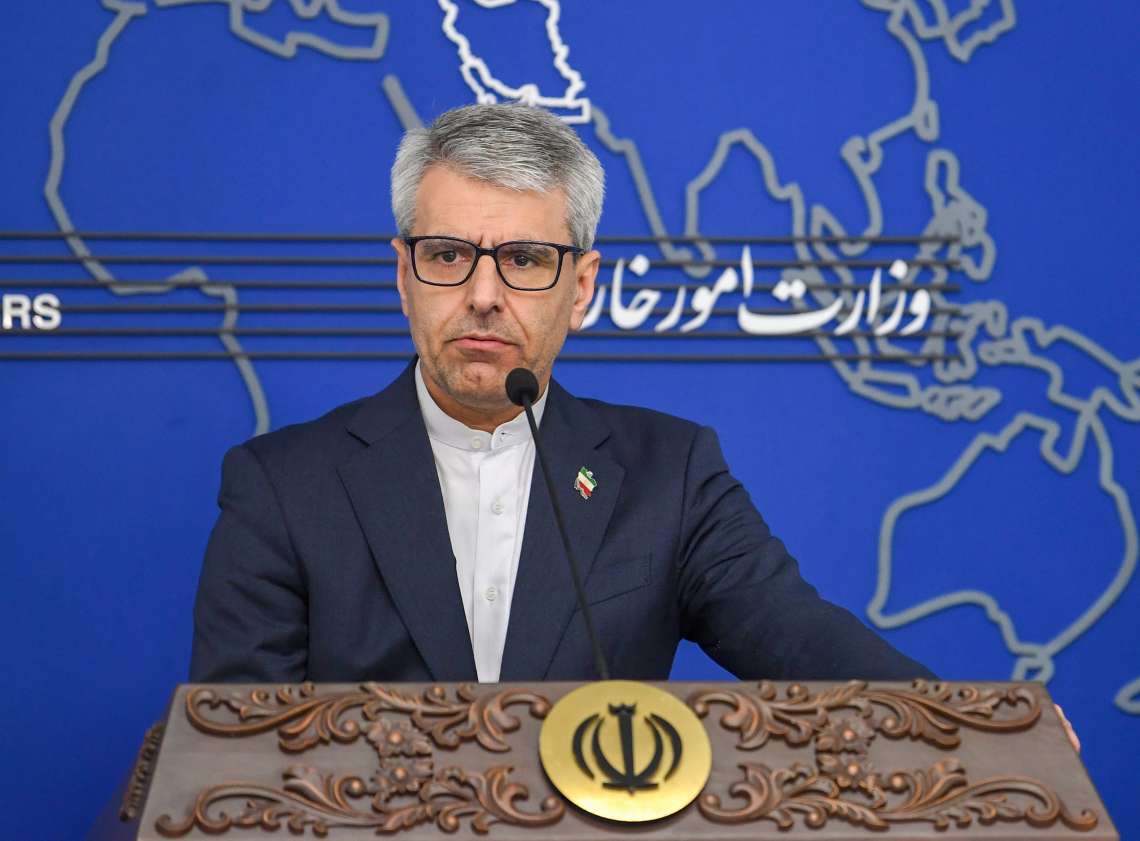
Speaking at the Egypt Energy Show 2026, El-Sisi said, “Nobody can stop the war in our region in the Gulf but you. Please, Mr. President, please. Please help us stop the war. You are capable of doing so”, Reuters reported.
Egypt, a longstanding recipient of US military aid and support from wealthy Gulf nations, has condemned Iranian attacks on Gulf Arab states and actively pursued diplomatic measures to prevent a wider regional conflict.
El-Sisi cautioned that the war could trigger “twin shocks” of supply shortages and sharp price rises, particularly in oil and energy markets. “I fear that targeting energy facilities, whether production or refineries, will have very serious repercussions for the global economy and fuel prices. Market watchers have warned the price of a barrel of oil could reach more than $200, and this is not an exaggeration,” he said.
The Egyptian President also highlighted risks to global food supplies, noting that disruptions in fertilizer exports could dramatically increase costs. “Wealthy countries might be able to absorb this, but for middle-income and fragile economies, it could have a very, very severe impact on their stability,” he added.
El-Sisi drew parallels with Gaza, noting that Trump played a pivotal role in ending that conflict before a ceasefire agreement was signed in Sharm el-Sheikh last November. He stressed that, as with Gaza, the US president remains uniquely positioned to halt hostilities in the Gulf.
Egypt has maintained diplomatic relations with Israel since the 1979 peace treaty, which returned the Sinai Peninsula, though the relationship is often described as a “cold peace.” Cairo has remained cautious regarding the humanitarian situation in Gaza and potential spillover across its border.