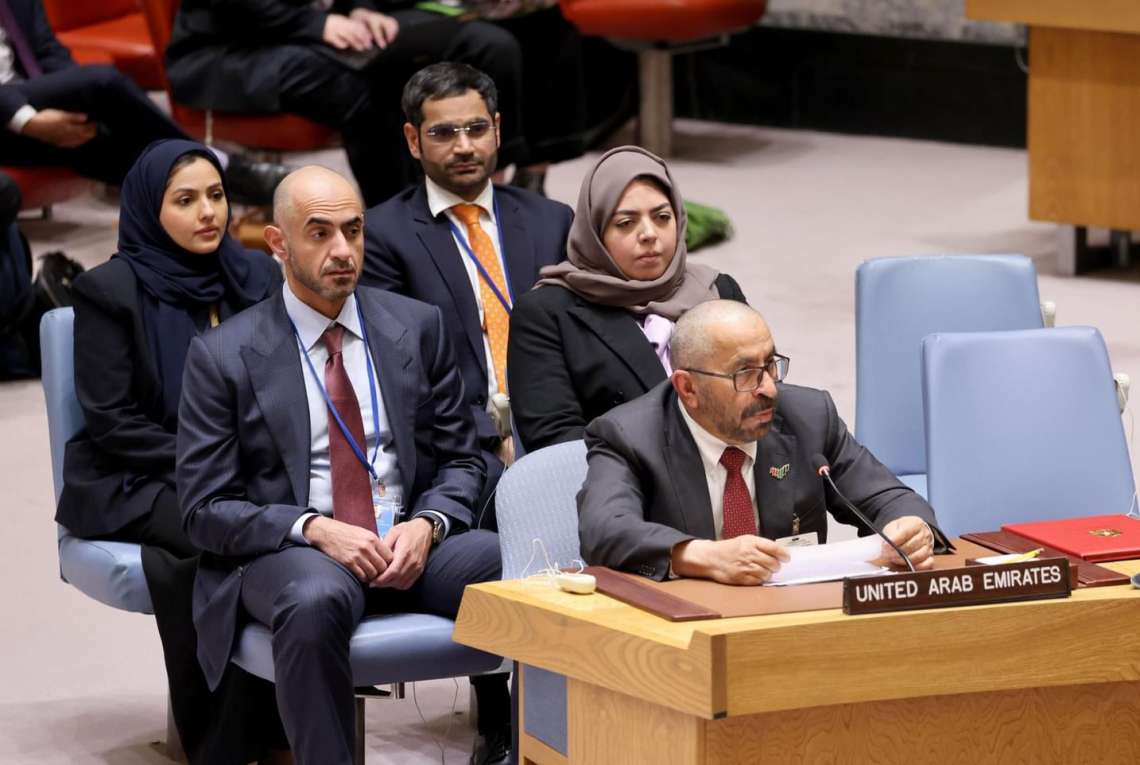
Dr Anwar Gargash, diplomatic adviser to the UAE President said that the UAE remains “firm and steadfast” in confronting Iranian aggression while emphasising the role of both the media and society in preventing the spread of misinformation
The United Arab Emirates has said the region may be approaching a decisive turning point in the ongoing confrontation with Iran, even as Gulf states continue to intercept waves of missiles and drones linked to the escalating conflict across the Middle East.
Dr Anwar Gargash, diplomatic adviser to the UAE President H.H. Sheikh Mohamed bin Zayed Al Nahyan, urged caution against misinformation and rumours during wartime, saying responsible communication is essential as the region navigates one of its most volatile security crises in years.
“Throughout history, wars have been linked to rumours and attempts at disruption, making caution against them a national responsibility,” Gargash said. He added that the UAE remains “firm and steadfast” in confronting Iranian aggression while emphasising the role of both the media and society in preventing the spread of misinformation.
Gargash said the country now stands “on the threshold of a decisive overcoming of this crisis”, urging the public not to allow rumours or exaggerated claims to cloud the situation.
His remarks came as the UAE confirmed another round of defensive operations against incoming projectiles.
Missiles and drones intercepted across UAE
According to the Ministry of Defence, UAE air defence systems intercepted 10 ballistic missiles and 26 unmanned aerial vehicles launched from Iran on Thursday.
The interceptions form part of a wider defensive effort since the conflict intensified earlier this year.
Since the onset of the Iranian attacks, UAE defences have intercepted 278 ballistic missiles, 15 cruise missiles and 1,540 drones targeting the country.
Authorities said the attacks have resulted in six fatalities, including nationals from the UAE, Pakistan, Nepal and Bangladesh. A further 131 people sustained minor to moderate injuries.
Those injured include residents from a wide range of countries, reflecting the UAE’s diverse expatriate population. Among them were nationals from Egypt, Sudan, Ethiopia, the Philippines, Pakistan, Iran, India, Bangladesh, Sri Lanka, Azerbaijan, Yemen, Uganda, Eritrea, Lebanon, Afghanistan, Bahrain, Comoros, Türkiye, Iraq, Nepal, Nigeria, Oman, Jordan, Palestine, Ghana and Indonesia.
The Ministry of Defence said the armed forces remain fully prepared to confront threats to the country’s security and sovereignty. Officials emphasised that the UAE will respond firmly to any attempt to undermine national stability or strategic capabilities.
Oman port hit by drones
The broader Gulf region has also been affected by the widening confrontation.
The UAE strongly condemned what it described as an unprovoked Iranian drone attack on the Port of Salalah in neighbouring Oman, which damaged several fuel storage tanks at the facility.
In a statement, the UAE Ministry of Foreign Affairs described the strike as a dangerous escalation and a violation of international law.
The ministry also expressed full solidarity with Oman and pledged support for measures aimed at protecting its security and stability.
Dubai building damaged by missile debris
Authorities in Dubai confirmed that debris from an intercepted attack caused minor damage to a building in the city’s central district.
Residents reported hearing two large explosions that shook buildings and sent a cloud of black smoke rising above the skyline.
Dubai’s media office later clarified that the damage was caused by falling debris from a successful air defence interception.
Officials said the incident caused minor damage to the façade of a building and that no injuries were reported.
Other Gulf states have also faced sustained attacks.
The General Command of the Bahrain Defence Force announced that air defence systems in Bahrain have intercepted and destroyed 114 ballistic missiles and 190 drones since the start of the Iranian offensive.
Military officials said the targeting of civilian areas and private property represents a flagrant violation of international humanitarian law and the United Nations Charter, warning that such strikes pose a direct threat to regional peace and stability.
New Supreme Leader’s message
Iran’s new Supreme Leader Mojtaba Khamenei in his first message to the country, called for continued resistance and said that the Strait of Hormuz will remain closed.
In a written message, Mojtaba Khamenei vowed revenge for those killed in the conflict, insisting that Tehran “will not refrain from avenging the blood of its martyrs”.
The message, local media reported, was read by a female presenter on Iranian state television. It also said “the tool of closing the Strait of Hormuz must be preserved” and warned that Iran could open “other fronts, if necessary”.
The message added that Iran seeks friendly relations with neighbouring countries and would target only bases from which attacks are launched against it.
“The message attributed to Khamenei, the Islamic Republic’s third supreme leader, was released without any indication of his whereabouts, health condition or physical status,” Iran International reported.
Mojtaba Khamenei, son of Iran’s late Supreme Leader Ali Khamenei, was selected as Iran’s new Supreme Leader, after the killing of his father.