CHINESE FOREIGN MINISTER WANG YI: This is a war that should not have happened, and it is a war that does no one any good. Force provides no solution, and armed conflict will only increase hatred and breed new crises
China calls for an immediate stop to military operations in the Middle East to prevent further escalation and avoid the spillover of the conflict, Chinese Foreign Minister Wang Yi said.
This is a war that should not have happened, and it is a war that does no one any good, Wang said at a press conference on the sidelines of the fourth session of the 14th National People’s Congress.
“Force provides no solution, and armed conflict will only increase hatred and breed new crises,” he said.
The sovereignty, security and territorial integrity of Iran and all countries in the Gulf region should be respected and must not be violated, Wang said, outlining the fundamental principles for properly handling issues related to Iran and the Middle East.
Might does not make right and civilians should not be victimized, Wang said, stressing the principle of rejecting the abuse of force.
The people in the Middle East are the true master of this region and Middle Eastern affairs should be determined by regional countries independently, the foreign minister said, urging non-interference in internal affairs.
“Plotting colour revolution or seeking regime change will find no popular support,” he added.
All sides should return to the negotiating table as quickly as possible, resolve differences through equal dialogue, and make efforts to realize common security, Wang said, highlighting the principle of promoting political settlement of hotspot issues.
Wang called on major countries to act in the spirit of justice and righteousness, and contribute more positive energy to peace and development of the Middle East.
China stands ready to work with Middle Eastern countries to implement the Global Security Initiative, and restore order to the Middle East, tranquility to its people, and peace to the world, Wang said.
DEATH TOLL RISES
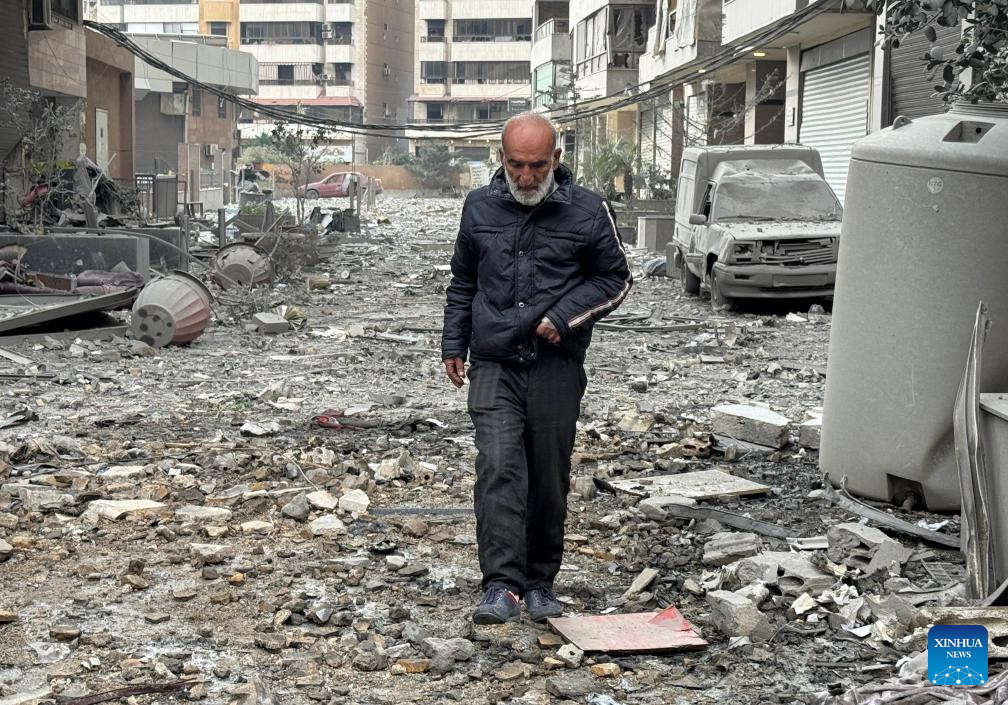
As the regional exchange of fire triggered by U.S.-Israeli strikes on Iran entered its ninth day on Sunday, questions are mounting over how the conflict involving the United States, Israel and Iran may unfold in the coming days.
Here’s a quick overview of recent statements from the three sides on their objectives and the potential course of the conflict.
THE UNITED STATES
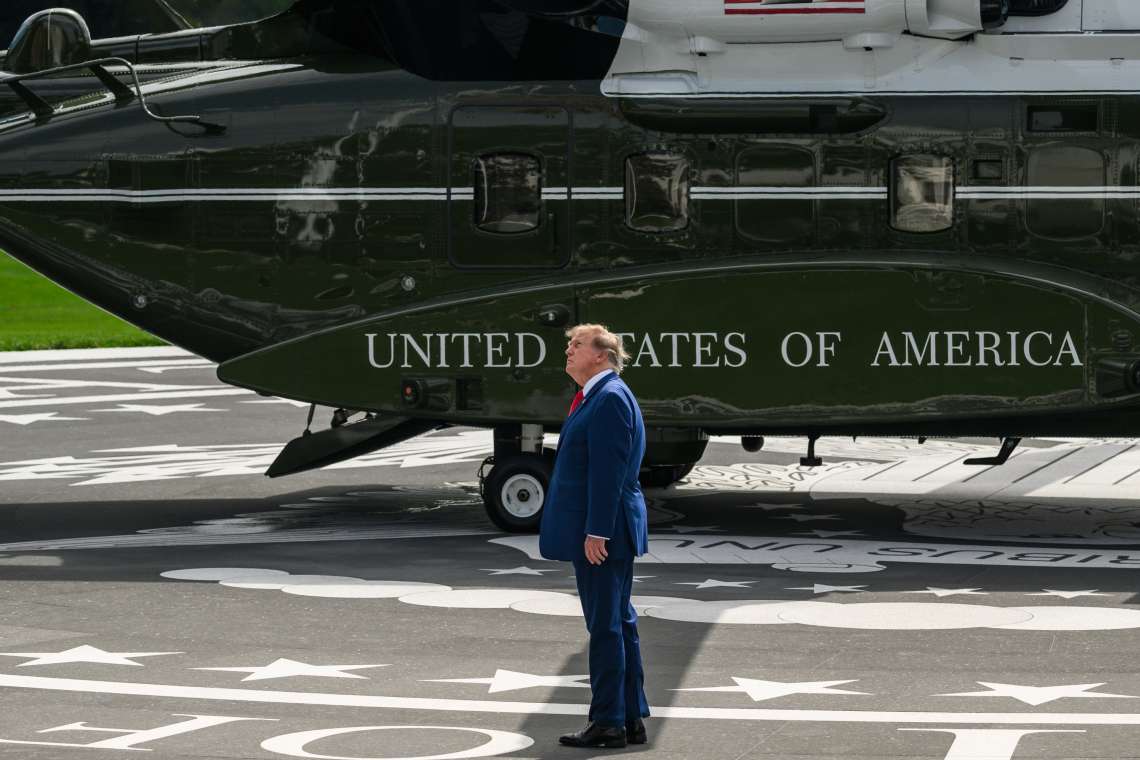
On Saturday, U.S. President Donald Trump said in a post on Truth Social that “today” Iran will be hit very hard.
On Friday, the U.S. State Department said that it has approved a possible Foreign Military Sale to Israel of munitions and related support services, including 12,000 aerial bombs. The deal is worth about 151.8 million U.S. dollars.
On Friday, Trump has privately expressed “serious interest” in deploying U.S. ground forces into Iran, NBC News reported, citing multiple sources. Trump has discussed the idea of deploying ground troops with aides and Republican officials outside the White House, focusing on a small contingent of troops for specific strategic missions rather than a large-scale invasion.
On Friday, White House Press Secretary Karoline Leavitt said that Trump will alone decide when Iran has effectively delivered the “unconditional surrender” Washington demands. Hours earlier, Trump said on Truth Social that “there will be no deal with Iran except unconditional surrender.”
ISRAEL
Israeli Prime Minister Benjamin Netanyahu said in a live broadcast statement on Saturday that Israel’s attack on Iran will continue with “full force and uncompromising momentum.”
Israel has a well-prepared plan with many surprises to undermine “Iranian regime” and “enable change,” Netanyahu said.
On Saturday, the Israeli military said that it had begun “a broad-scale wave of strikes” on Iranian government infrastructure in Tehran.
It also said it had struck two main ballistic missile production sites in the Iranian areas of Parchin and Shahrud over the past week, and it had conducted 3,400 strikes on Iran since war began.
On Thursday, Israel’s military chief Eyal Zamir said in a televised address that Israeli forces are moving to the “next phase” of their campaign against Iran, in which they will intensify strikes against the Iranian government’s foundations and its military capabilities.
He said the goal of the joint U.S.-Israeli operation is to strip the Iranian government of its military capabilities and bring it to “a point of strategic isolation and a point of weakness they have never been in before.”
IRAN
On Saturday, Iran’s Foreign Ministry said in a statement that Iran’s exercise of its inherent right to legitimate self-defense will continue until the “aggression” ceases, or until the UN Security Council fulfills its duty identifying and naming the “aggressors” and determining the responsibilities arising from their “aggression.”
The statement emphasized that Iran’s defensive operations against U.S. military bases and installations in the region should by no means be construed as enmity or hostility towards the countries of the region.
On Saturday, Iranian President Masoud Pezeshkian said that Iran has decided not to attack or fire missiles at targets in neighboring countries from now on unless it is targeted from those countries.
On Saturday, Abolfazl Shekarchi, a spokesman for Iran’s armed forces, said that Iran has not and will not attack those regional countries that do not put their airspace, land and facilities at the disposal of the “enemies.”
On Friday, Pezeshkian said that some countries have begun mediation efforts, without identifying them. “Let’s be clear: we are committed to lasting peace in the region yet we have no hesitation in defending our nation’s dignity and sovereignty,” Pezeshkian said in a post on social media platform X.
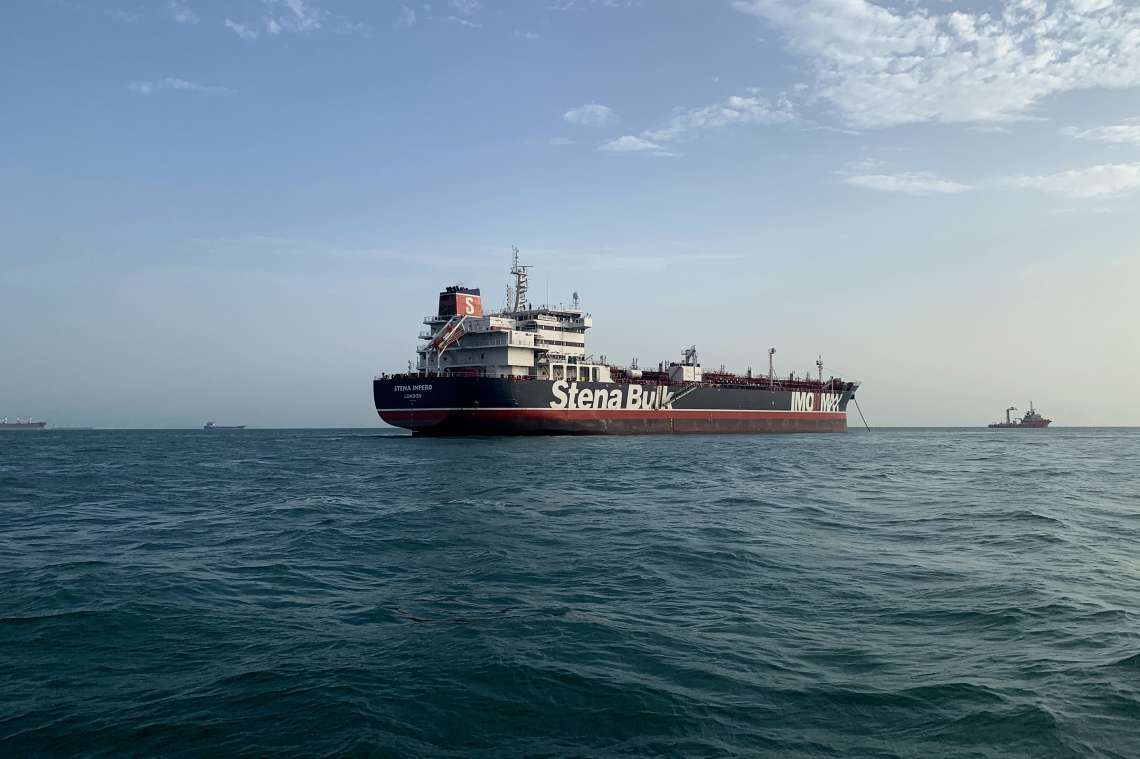
On Friday, Iran’s state TV quoted a military source as saying that the Strait of Hormuz remained open, but warned that any vessels belonging to the United States or Israel would be considered military targets.