China is using US distractions in Venezuela and Iran to expand influence, promote economic diplomacy and reshape global norms, though contradictions threaten its stabilising narrative, a report warns.
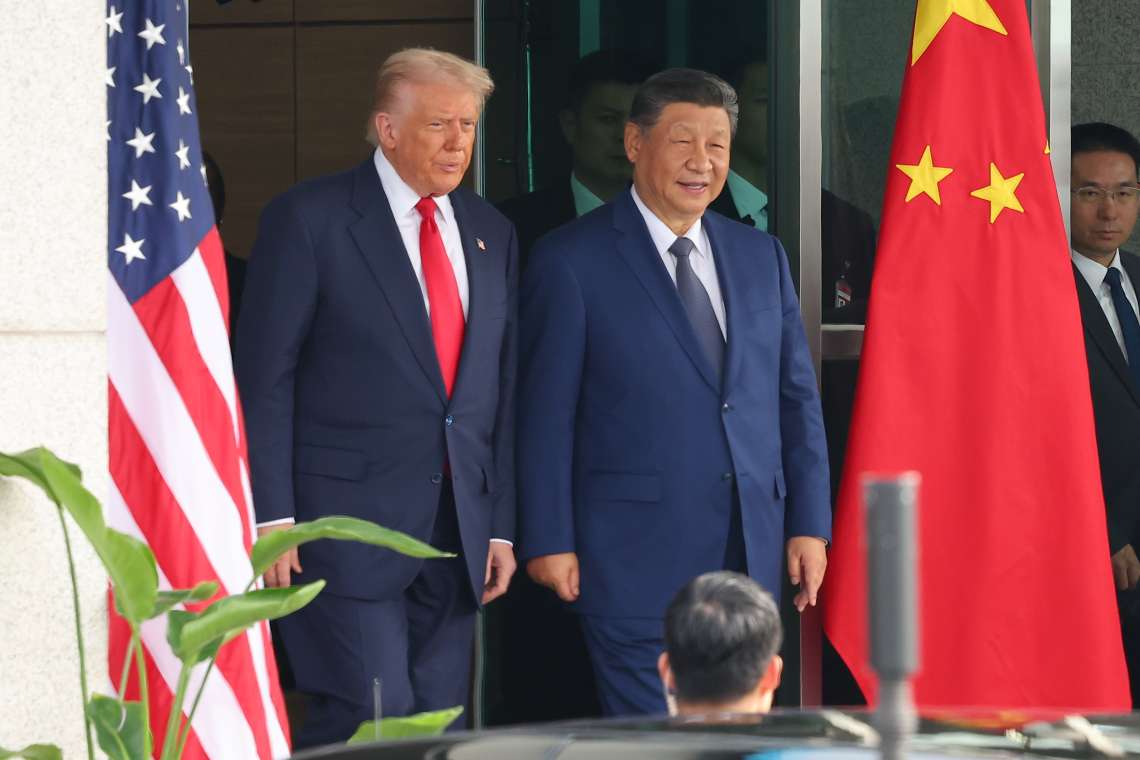
China is using Washington’s growing preoccupation with crises in Venezuela and Iran to accelerate its strategic expansion and present itself as a stabilising global power, according to a new report that warns of a widening contest for international leadership.
An analysis published by European Times says Beijing is moving swiftly to fill diplomatic and economic space while the United States is absorbed in multiple flashpoints, allowing China to promote a narrative of stability rooted in economic partnership rather than military intervention. The report argues this is not short-term opportunism but a calculated strategy aligned with China’s long-term ambition to reshape the rules and norms of the international order.
As the US devotes military, diplomatic and economic resources to managing tensions in Latin America and the Middle East, Beijing has sought to position itself as a pragmatic alternative, offering investment, infrastructure and trade without overt political conditions. The report notes that China’s emphasis on non-interference and sovereignty resonates with many developing nations wary of Western interventionism.
Venezuela and Iran as strategic openings
In Venezuela, the report says US pressure on President Nicolás Maduro has reinforced perceptions of American dominance in the Western Hemisphere. China has countered this by deepening economic engagement through platforms such as the China–Community of Latin American and Caribbean States (CELAC) Forum, promoting infrastructure and financial cooperation as tools of influence.
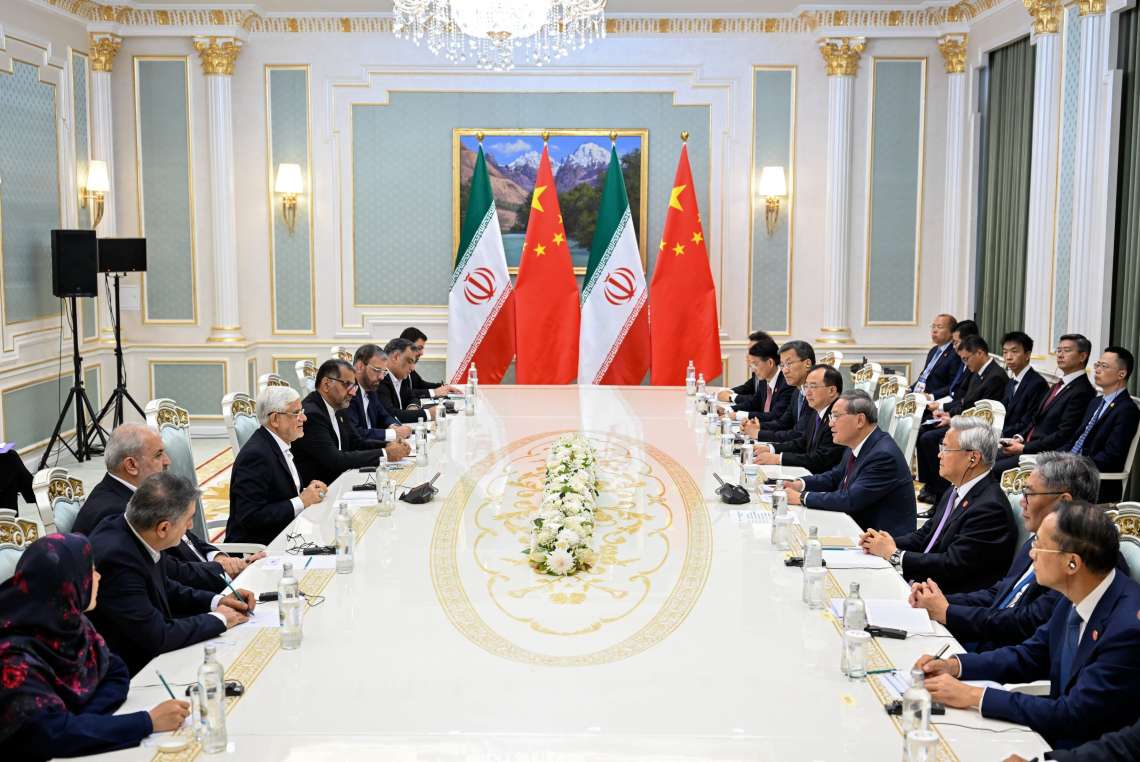
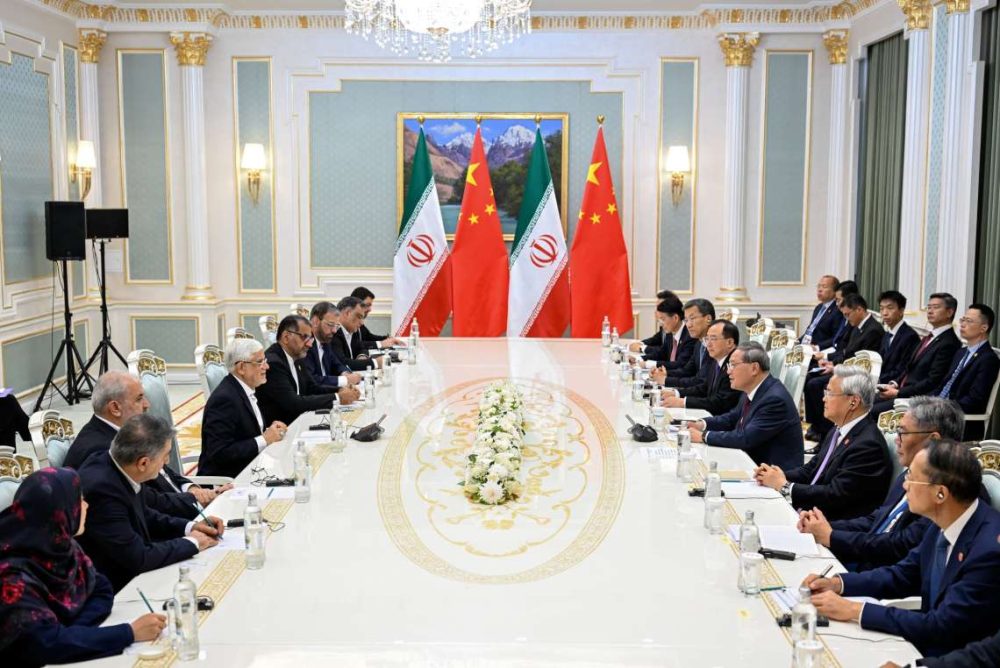
Iran, meanwhile, remains central to China’s energy security strategy. Despite US sanctions, Beijing has continued trade with Tehran, presenting itself as a dependable partner in contrast to Washington’s punitive approach. The report says this has strengthened China’s standing in the region while quietly expanding its geopolitical footprint.
Stability narrative faces credibility test
However, the report cautions that Beijing’s attempt to brand itself as a stabilising force has limits. China’s close alignment with authoritarian regimes, including those in Venezuela and Iran, risks undermining its credibility as a responsible global actor. Its own sovereignty claims over Taiwan and Tibet also expose contradictions in its rhetoric, making many countries wary of viewing Chinese engagement as purely benign.
The report draws historical parallels, noting that rising powers have often exploited periods of US distraction. During the Vietnam War, the Soviet Union expanded its influence across Africa and the Middle East. Today, Beijing is leveraging similar conditions to project itself as a balancer in global affairs — a role traditionally claimed by Washington.
China’s strategy, the analysis says, rests on three pillars: economic statecraft through Belt and Road projects, diplomatic mediation in regional conflicts such as the Saudi-Iran rapprochement, and normative framing that appeals to states seeking alternatives to US-led intervention.