Myanmar emerges as a key strategic corridor for China amid Middle East instability, offering alternative trade routes and intensifying geopolitical competition between Beijing and Washington, reports Asian Lite Newsdesk
Myanmar’s geopolitical importance is rising sharply in China’s strategic calculations as instability in the Middle East disrupts key global shipping routes, according to a new analysis.
The report, written by journalist and strategic analyst Bertil Lintner for The Irrawaddy, argues that Beijing is increasingly prioritising Myanmar as an alternative gateway to the Indian Ocean amid growing risks to traditional maritime corridors.
Alternative routes gain urgency
Heightened tensions in the Middle East have renewed concerns over the vulnerability of critical chokepoints such as the Strait of Hormuz, which handles a significant share of global energy shipments. Against this backdrop, China’s long-standing infrastructure ambitions in Myanmar are gaining fresh relevance.
At the centre of this strategy is the China Myanmar Economic Corridor, a network of transport and energy projects linking China’s inland provinces to the Bay of Bengal. The corridor, first conceptualised in the 1980s, was initially aimed at boosting trade access for landlocked regions such as Yunnan, Sichuan, and Guizhou.
However, analysts say its strategic dimension has always been central. “It would be naïve to believe that China, with its geostrategic interests, will not play an important role in shaping the future of Myanmar,” Lintner noted, adding that the corridor provides Beijing with a potential workaround to traditional shipping routes.
Bypassing key chokepoints
The report highlights Myanmar’s unique geographic position as a land bridge to the Indian Ocean, offering China a way to partially bypass other sensitive maritime routes including the Strait of Malacca, the South China Sea, and the Nicobar Gap.
While the CMEC cannot fully replace existing global shipping lanes, it provides an alternative that could reduce reliance on vulnerable sea routes during times of crisis. This has become particularly significant as global supply chains face renewed disruptions.
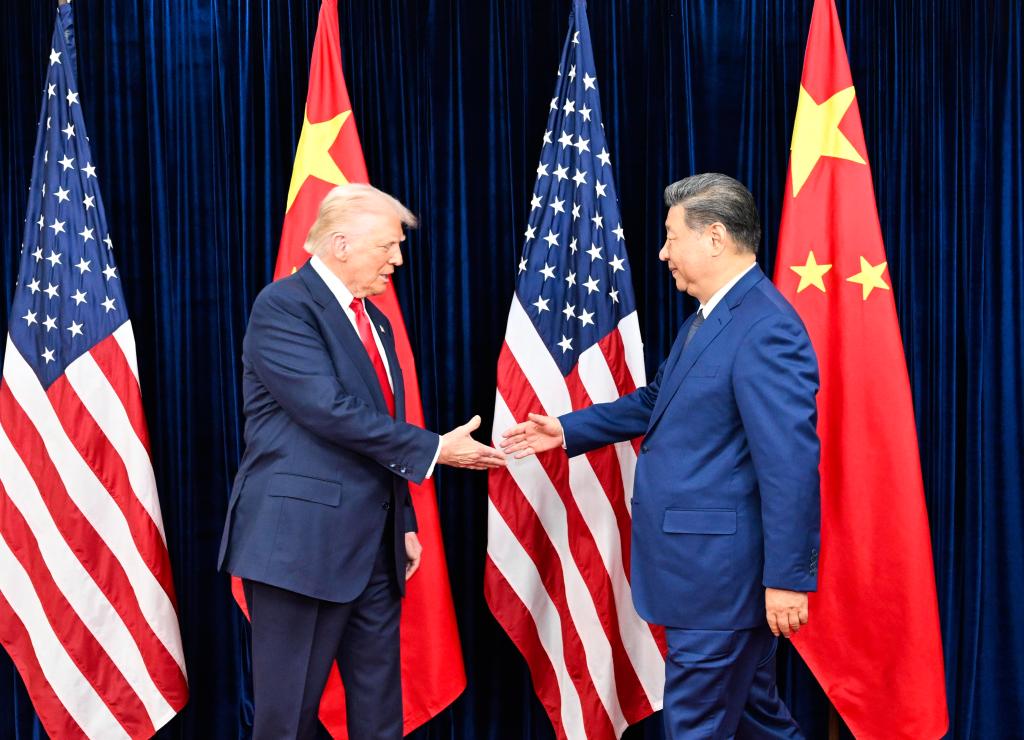
The analysis also points to growing debate in Washington over how to respond to Myanmar’s shifting alignment. Some US analysts, including former Congressman Dave Brat and consultant Adam Castillo, have suggested “calibrated engagement” with Myanmar’s military authorities as a way to counter China’s influence and secure access to critical resources such as rare earth elements.
Although such proposals have not yet translated into formal policy changes, the report suggests they reflect a broader reassessment of Myanmar’s role in global geopolitics.