Nepal cuts working week to five days as fuel shortages deepen, with government imposing austerity measures to manage energy crisis linked to Middle East conflict, reports Asian Lite Newsdesk
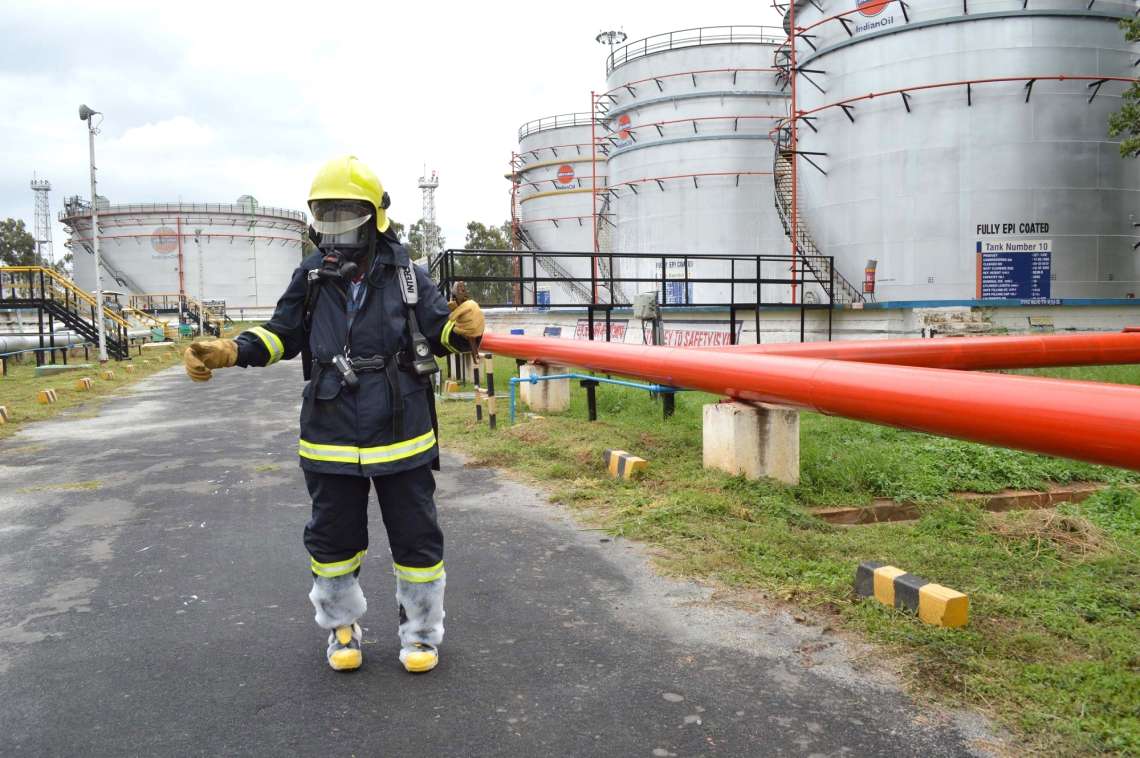
Nepal has announced a shift to a two-day weekend for government offices and educational institutions, as the country grapples with an escalating fuel crisis linked to disruptions in global oil supply.
The decision, approved by the Cabinet on Sunday, comes amid ongoing turmoil in West Asia that has significantly affected energy markets. Under the new policy, Saturdays and Sundays will now be observed as public holidays, replacing the long-standing six-day working week where Saturday was the only day off.
Government spokesperson and education minister Sasmit Pokharel said the move was necessary to manage fuel shortages and reduce energy consumption, as the impact of the crisis continues to ripple across Asia.
Government offices will now operate from 9 a.m. to 5 p.m. on working days, compared with the earlier 10 a.m. start. Officials say the revised schedule is intended to balance reduced operating days with continued public service delivery.
The energy crunch has been triggered by disruptions linked to the conflict involving the United States, Israel and Iran, which has effectively halted movement through the Strait of Hormuz — a critical global chokepoint through which around 20 per cent of the world’s oil supply passes.
For Nepal, the impact is particularly acute. As a landlocked nation, it depends entirely on imports routed through India for its petroleum needs. Any constraints on India’s supply capacity quickly translate into shortages in the Nepali market.
Authorities say rising fuel costs have already begun to push up the prices of goods and services across the country. Alongside petroleum, both food and non-food items have seen noticeable price increases, adding pressure on households and businesses.
In response, the government is also looking at longer-term measures to reduce reliance on fossil fuels. The Cabinet has approved plans to develop a legal framework to support the conversion of petrol and diesel vehicles into electric alternatives. While Nepal has seen a growing shift towards electric vehicles in recent years, conventional internal combustion engine vehicles still dominate due to legacy usage.
Officials say the transition could help improve energy security and reduce vulnerability to global market shocks, though implementation details remain under development.
The move to a two-day weekend mirrors wider austerity-style responses being adopted by countries across the region, as governments attempt to conserve energy and stabilise domestic markets amid prolonged geopolitical tensions.