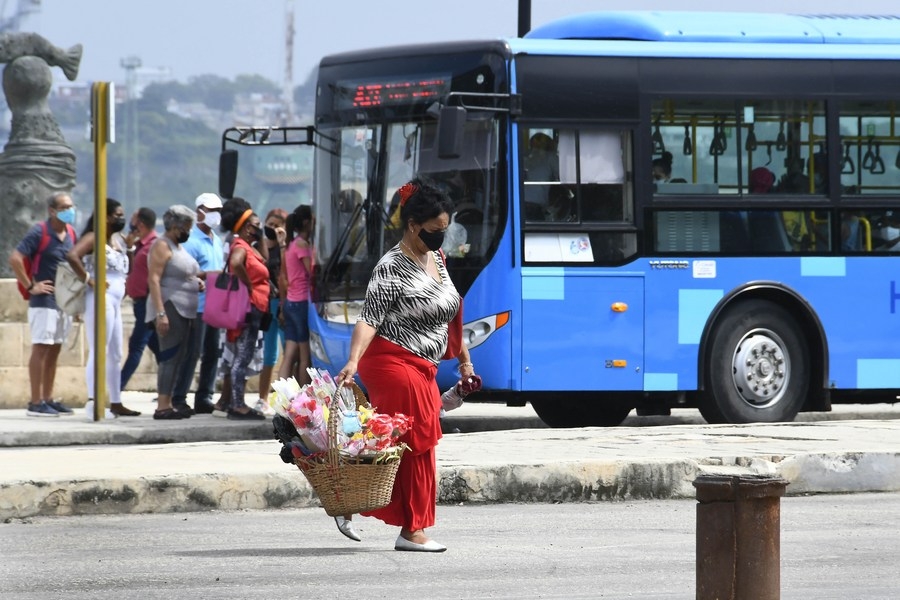
Heavily dependent on imported fuel, Cuba faces severe fallout as prolonged blackouts, fuel shortages and empty supermarket shelves increasingly disrupt daily life during the island’s worst economic crisis in decades….reports Asian Lite News
As the United States intensifies seizures of oil tankers linked to Venezuela, anxiety is mounting in Cuba over whether the island’s government and economy can endure another destabilising shock. According to reporting cited by The Week, analysts warn that any abrupt disruption in Venezuelan oil supplies could push Cuba’s already fragile system into deeper crisis, raising the risk of social unrest and accelerated migration.
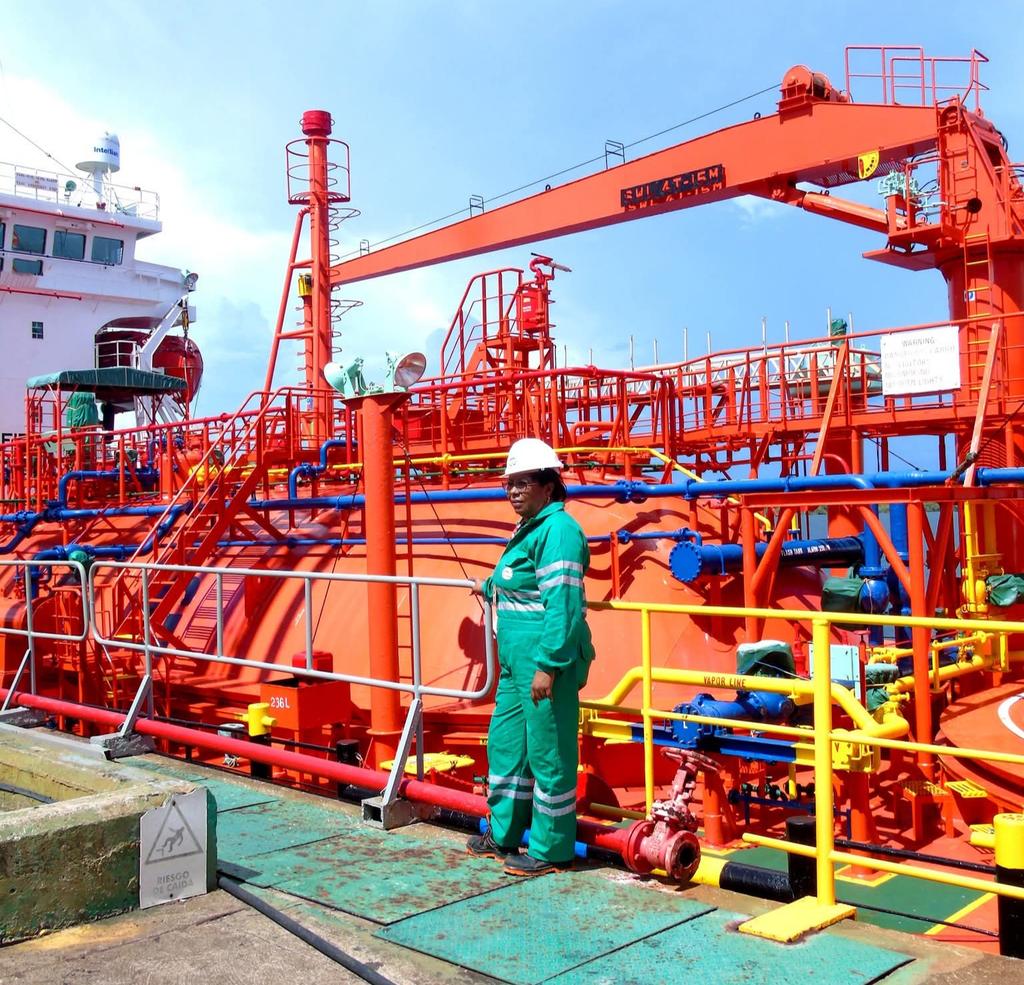
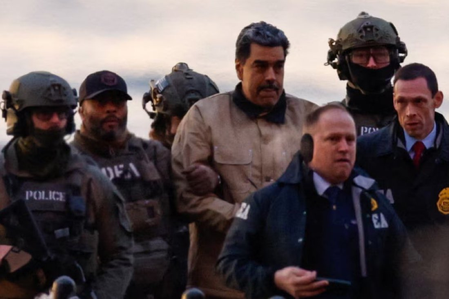
The concern follows a dramatic US military operation that resulted in the capture of former Venezuelan president Nicolás Maduro, an action that has sent ripples across the region. For Cuba, which remains heavily dependent on imported fuel, the potential fallout is severe. Prolonged blackouts, fuel shortages and empty supermarket shelves have already paralysed daily life amid the island’s worst economic downturn in decades.
Many Cubans say the worsening conditions have left them contemplating emigration. A teenage student in Havana told reporters that nearly everyone she knows — young and old — is thinking about leaving as prospects at home continue to fade. Such sentiments reflect a broader sense of exhaustion after years of economic decline.
Experts quoted by The Week say a halt in Venezuelan oil deliveries would be a tipping point. Michael Galant of the Centre for Economic and Policy Research in Washington described the scenario as an escalation of an already dire situation, arguing that it would expose what economic collapse looks like in real time. He suggested the pressure campaign is designed to inflict widespread civilian hardship in the hope of triggering political instability or regime change.
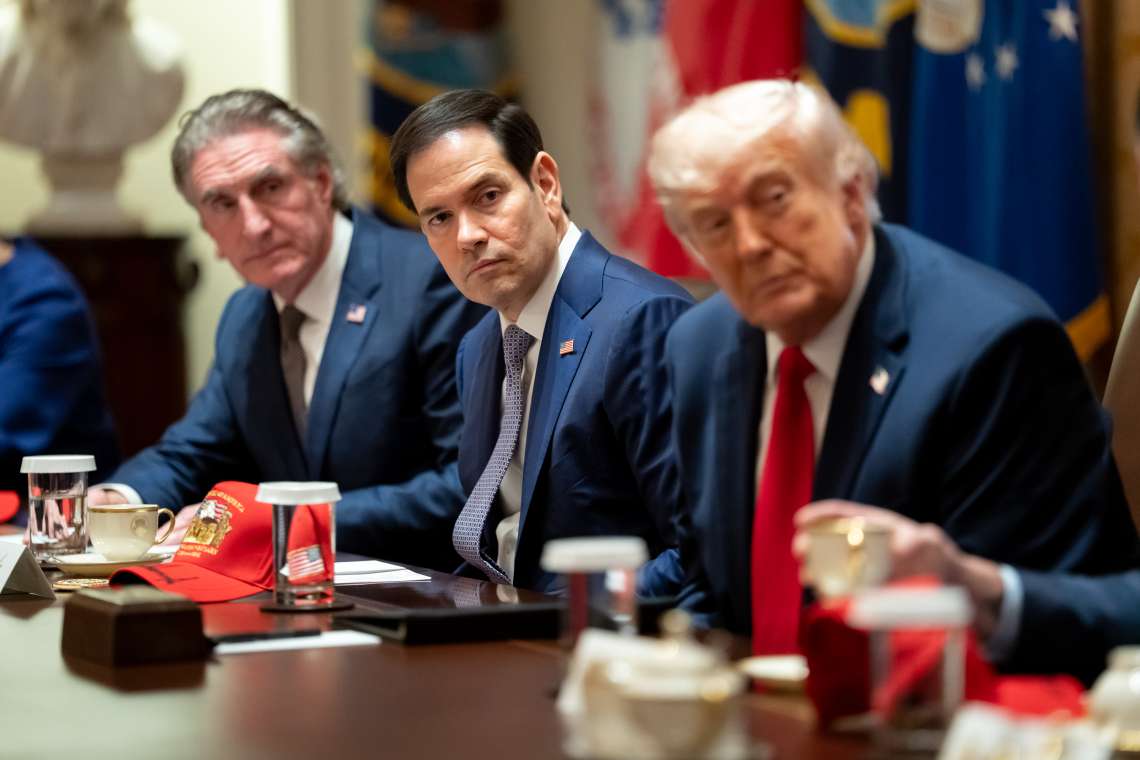
At the same time, analysts caution against assuming a rapid breakdown. Galant noted that Cuba has endured prolonged suffering before and that its leadership has experience managing siege-like conditions. From Washington’s perspective, particularly that of US Secretary of State Marco Rubio — the approach appears to rely on patience, waiting to see whether sustained economic pain ultimately produces a political rupture.
Migration pressures are already evident. Between 2020 and 2024, Cuba’s population shrank by an estimated 1.4 million people, largely due to outward migration. Economist Juan Carlos Albizu-Campos said fuel shortages affect every sector of life, prompting even those who once intended to stay to reconsider. Long queues outside foreign embassies in Havana have become a visible symbol of that desperation.
Cuba’s economy has contracted sharply, with gross domestic product down about 15 per cent over the past six years. President Miguel Díaz-Canel acknowledged that the economy shrank again last year. While the country experienced relative stability between 2000 and 2019, the COVID-19 pandemic and tightened US sanctions reignited long-standing vulnerabilities.
Despite continued oil shipments from Venezuela, along with smaller supplies from Mexico and Russia, blackouts have persisted. Scholars warn that a full suspension of Venezuelan oil could lead to prolonged nationwide power outages and possibly mass protests.
Still, some experts doubt the crisis would bring down the system. Andy S. Gómez of the University of Miami said that as long as Raúl Castro remains influential within the military, a collapse is unlikely. Even if unrest were to force the removal of a senior official, he argued, it would likely result in continuity rather than change.
For many Cubans, however, political outcomes feel secondary. As Gómez noted, the immediate concern is far more basic: securing food, electricity, housing and work in a country where survival has become the central challenge.