NSA Ajit Doval hosts key BRICS security meet in Delhi, combining bilateral talks and multilateral discussions to address emerging threats and strengthen coordination among member nations, reports India Daily News Desk
India’s National Security Adviser Ajit Doval has intensified diplomatic outreach at the 16th BRICS National Security Advisers Meeting in New Delhi, combining bilateral engagements with a broader multilateral push to address evolving global security challenges and deepen strategic coordination among member states.
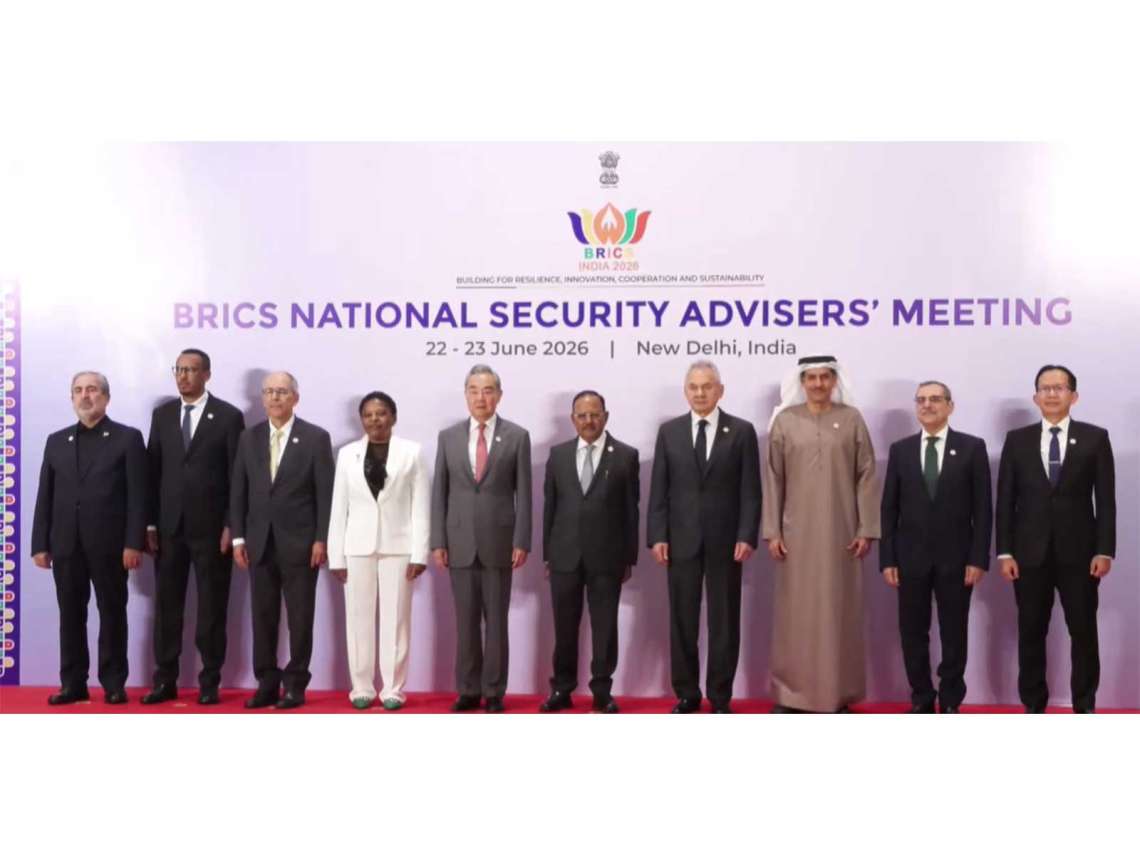
The high-level meeting, hosted by India under its 2026 BRICS chairship, entered its second day with Doval welcoming senior security and political leaders from across the bloc. Among those received were Chinese Foreign Minister Wang Yi, Russian Security Council Secretary Sergey Shoigu and Iran’s Deputy Secretary of the Supreme National Security Council Ghadir Nezamipour. A group photograph of all participating heads of security and delegations marked the formal commencement of proceedings on Tuesday.
Earlier in the day, Shoigu arrived in New Delhi to attend the meeting, with the Russian Embassy confirming his participation in the key multilateral engagement. The gathering brings together security leadership from BRICS member countries at a time of rapidly shifting geopolitical dynamics and increasing complexity in global threat landscapes.
The meeting is being chaired by Doval and centres on the theme “Non-traditional security challenges confronting the world today.” According to the Ministry of External Affairs, discussions are focused on the changing nature of threats, particularly those driven by emerging technologies, cyber vulnerabilities and transnational risks that cut across borders.
Delegates are also reviewing the outcomes of recent BRICS Joint Working Groups on counter-terrorism and the security of information and communication technologies. These discussions are expected to feed into a broader framework of cooperation aimed at enhancing resilience and coordination among member countries in addressing shared challenges.
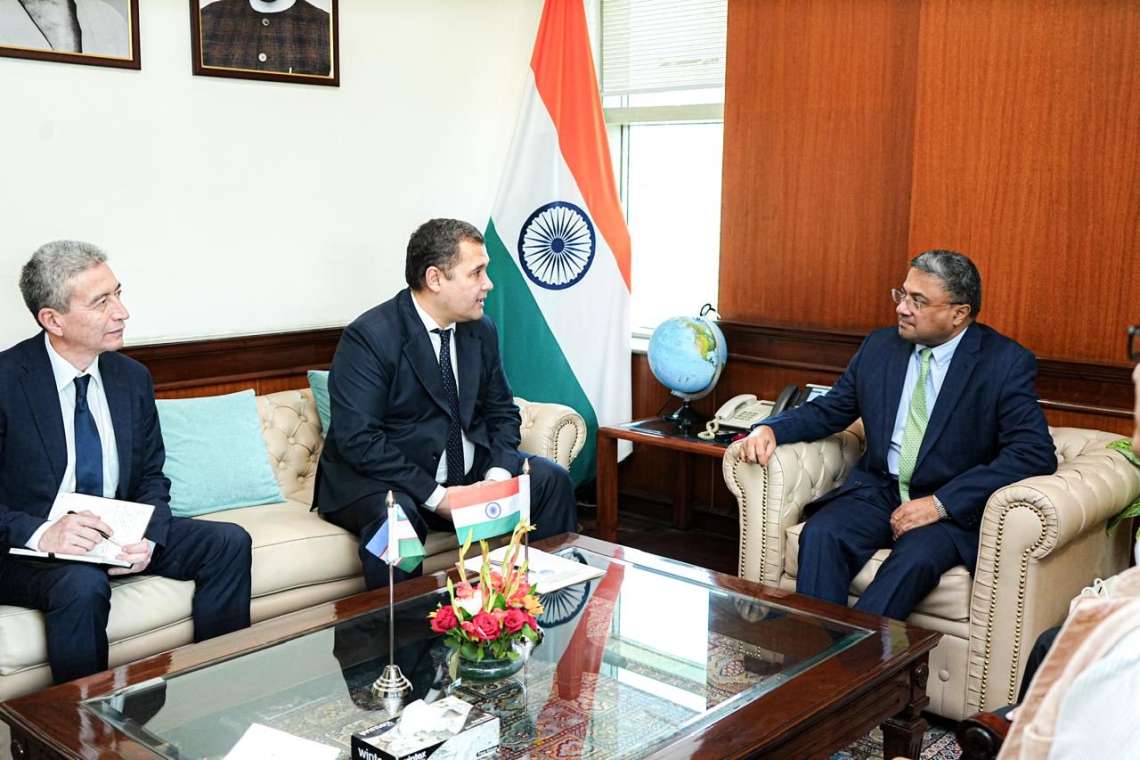
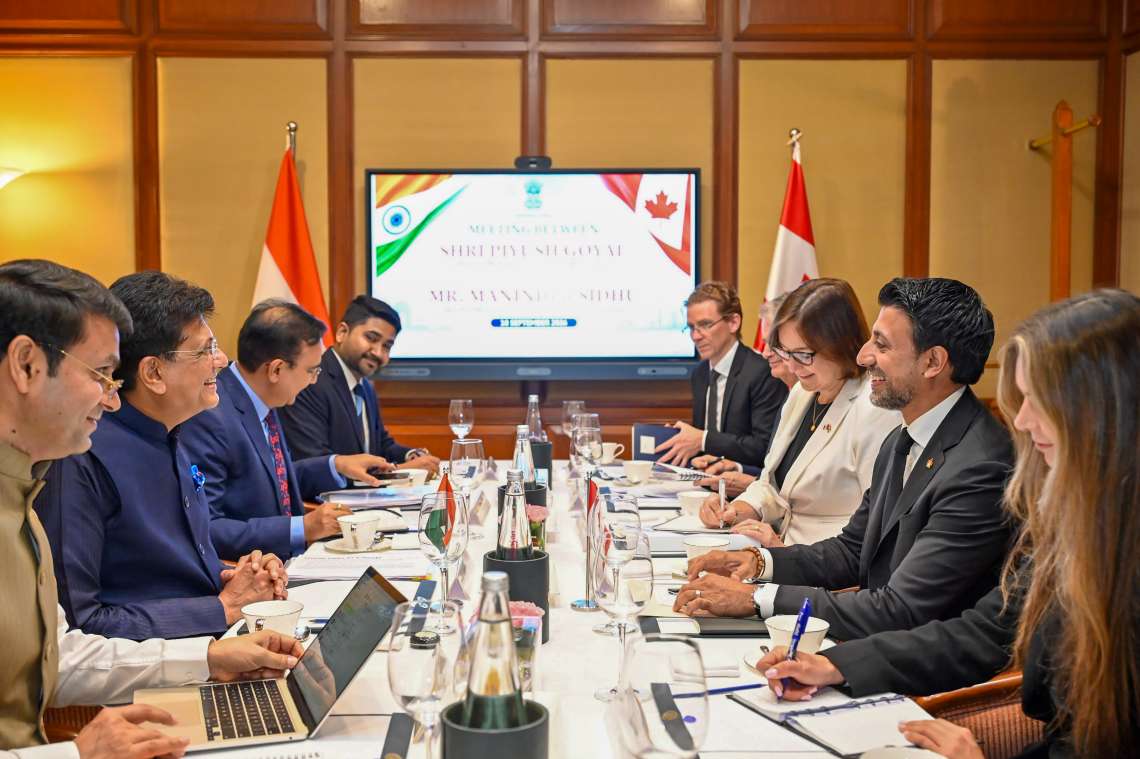
Alongside the plenary engagements, Doval held a series of bilateral meetings with key counterparts, underlining India’s effort to use the BRICS platform to strengthen individual strategic relationships. In talks with Carlos Cozendey, Secretary of Multilateral and Political Affairs of Brazil, both sides reviewed India-Brazil ties and welcomed ongoing cooperation within the BRICS framework.
Doval also met Million Lema Tadesse, Executive Director of Analysis at Ethiopia’s National Intelligence and Security Service, where discussions focused on expanding the India-Ethiopia Strategic Partnership. The engagement highlighted India’s growing outreach to African partners in areas linked to security cooperation and institutional capacity building.
In a separate interaction with Khumbudzo Ntshavheni, Minister in the Presidency of South Africa, both sides reviewed bilateral ties and explored specific avenues for developmental cooperation. They also exchanged views on regional and global developments, reflecting a shared interest in aligning positions on broader geopolitical issues.
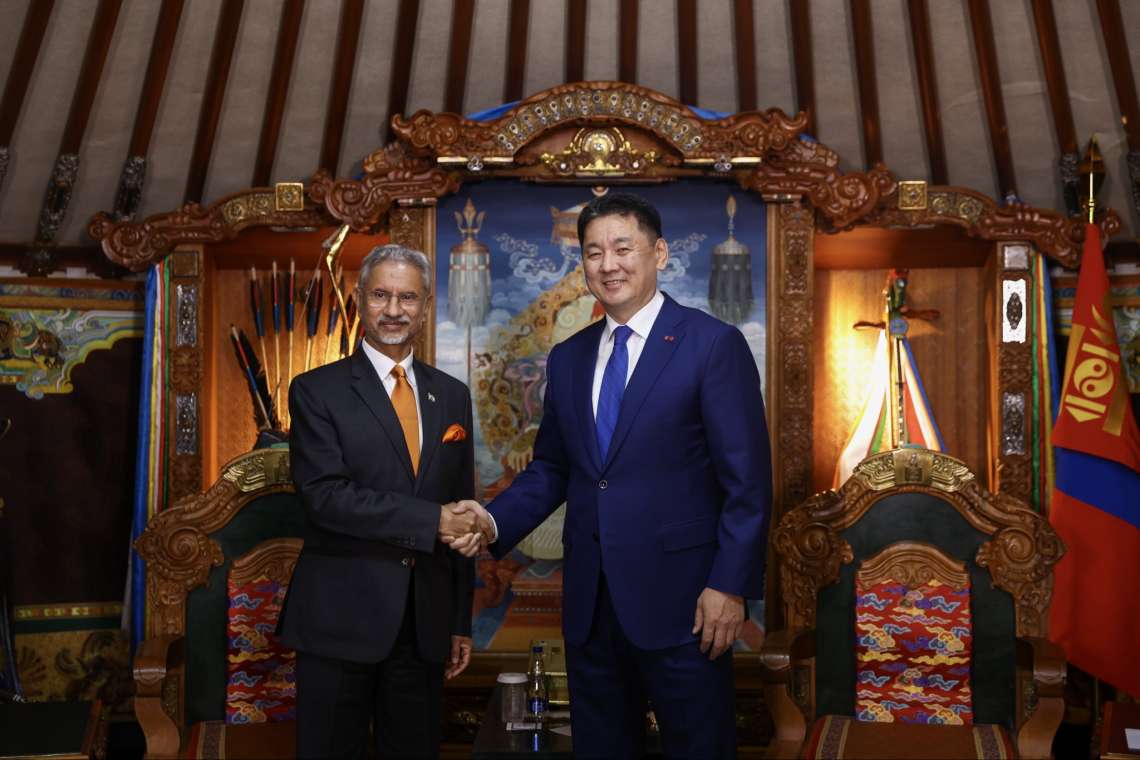
One of the most closely watched meetings on the sidelines was Doval’s interaction with Wang Yi. The Ministry of External Affairs described the talks as constructive and forward-looking, noting that both sides reviewed recent developments in bilateral relations and acknowledged progress towards gradual normalisation. Doval underlined that stable and predictable ties contribute to building trust and improving mutual understanding between the two countries.
India’s hosting of the BRICS NSAs Meeting comes as it assumes the chairship of the grouping for the fourth time, following earlier tenures in 2012, 2016 and 2021. The 2026 chairship is guided by the theme “Building for Resilience, Innovation, Cooperation and Sustainability,” reflecting a people-centric and humanity-first approach articulated by Prime Minister Narendra Modi at the 2025 Rio Summit.
BRICS has evolved significantly since its inception, expanding from an economic grouping into a broader platform for political, security and cultural cooperation. The bloc now comprises eleven major emerging economies, including Brazil, China, Egypt, Ethiopia, India, Indonesia, Iran, Russia, Saudi Arabia, South Africa and the United Arab Emirates.
The grouping’s agenda has widened to include a diverse range of issues such as counter-terrorism, climate change, food and energy security, international financial architecture, telecommunications, agriculture, labour, trade and multilateral governance. Within this framework, the NSAs Meeting serves as a crucial forum for addressing security and strategic concerns that underpin these broader areas of cooperation.