The United Arab Emirates has ushered in Eid Al Fitr 2026 with a blend of celebration, state-led welfare initiatives and a cautious public mood shaped by regional developments, as millions across the country marked the end of Ramadan.
Authorities across the UAE officially confirmed that Eid Al Fitr would be observed on Friday, March 20, following the non-sighting of the Shawwal crescent moon, completing a full 30 days of fasting. The announcement aligned the UAE with Saudi Arabia, Qatar and other Gulf nations, bringing clarity to residents and allowing nationwide preparations to reach their peak.
From early morning prayers to family gatherings and festive meals, Eid traditions were observed across all seven emirates. However, this year’s celebrations carried a more measured tone, with authorities prioritising safety and order. Eid prayers were held indoors in many locations as a precautionary step, reflecting a broader emphasis on public safety amid regional tensions.
The UAE government complemented the festive period with a series of welfare-focused measures. In Abu Dhabi, a major housing support package worth AED 4.21 billion was approved for over 2,600 Emirati citizens, aimed at strengthening family stability and improving living standards during the holiday period.
Dubai also rolled out a high-profile initiative targeting workers, offering prizes ranging from cars and gold to flight tickets, in a move designed to recognise the contribution of expatriate labour to the emirate’s growth. The initiative underscored a broader theme of inclusivity that has increasingly come to define Eid celebrations in the country.
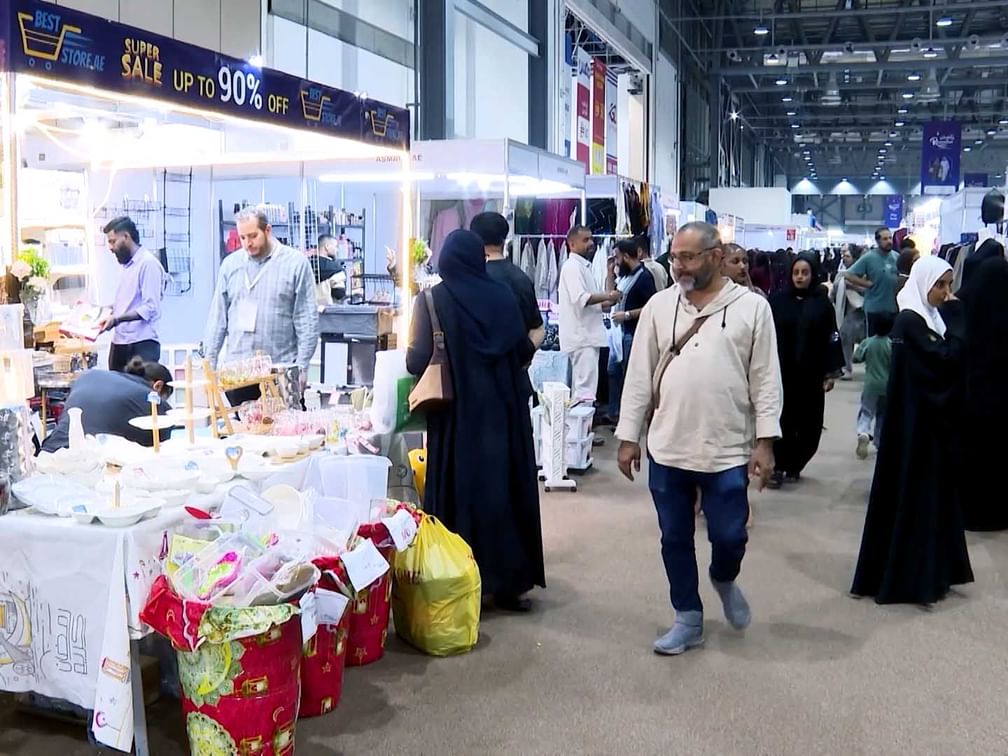
Economic activity surged in the run-up to Eid, particularly in Dubai’s gold markets, where a sharp drop in prices triggered a rush of last-minute shoppers. Retailers reported strong footfall in traditional souks, with residents taking advantage of lower prices to purchase jewellery and gifts. This seasonal retail spike once again highlighted the economic significance of Eid in the UAE, where consumer spending typically peaks during the festive period.
Public life also adjusted to accommodate the celebrations. Authorities announced a four-day holiday for the public sector from March 19 to 22, with similar breaks for private sector workers depending on the length of Ramadan. In Dubai, public parking was made free for several days, while transport schedules were modified to ease travel for residents visiting family and attending festivities.
At the same time, some traditional celebrations were scaled back. Dubai’s Global Village, a major cultural attraction, cancelled its customary Eid fireworks and remained closed, citing precautionary measures amid the evolving situation in the wider region. The decision reflected a more subdued approach to large public events this year.
Despite these adjustments, the spirit of Eid remained strong. Parks, beaches and community spaces hosted family-oriented events, live performances and cultural activities, offering residents alternative ways to celebrate while maintaining safety guidelines.