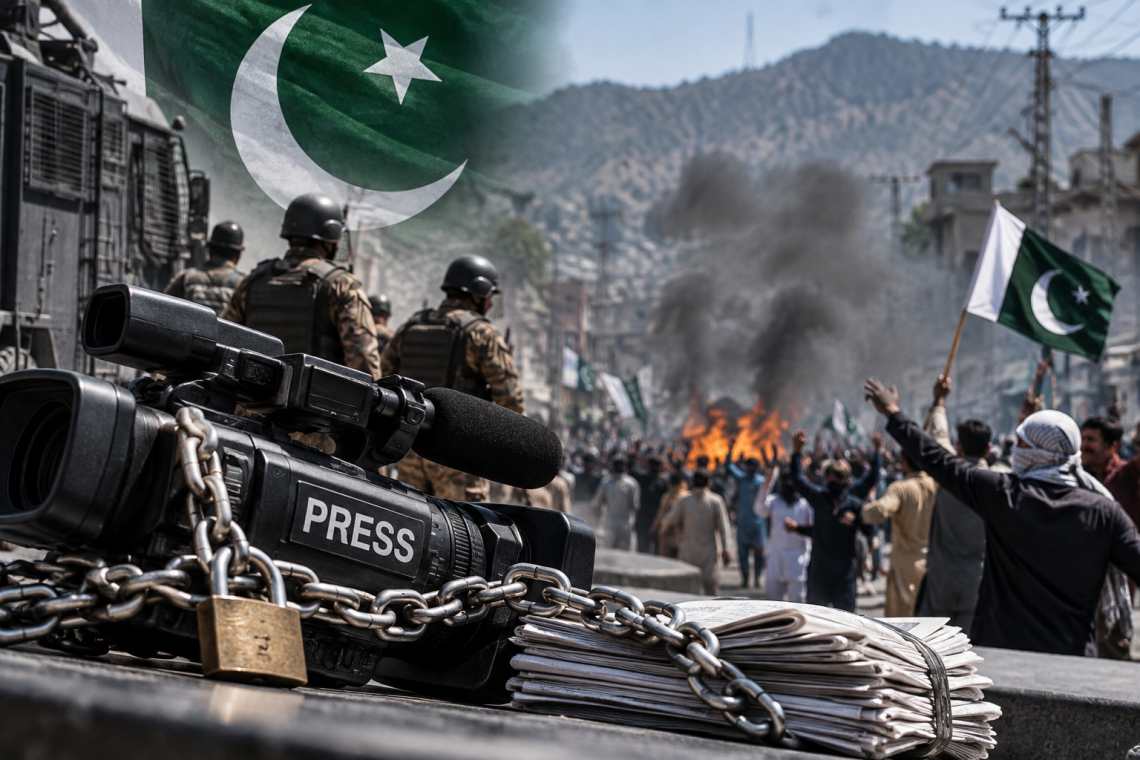
Growing concerns over Pakistan’s human rights record have reignited debate within the European Union over whether Islamabad should continue to benefit from the bloc’s preferential trade scheme….reports Asian Lite News Desk
The European Union remains divided over whether Pakistan should retain its preferential trade status under the Generalised Scheme of Preferences Plus (GSP+), despite mounting concerns about the country’s human rights record and calls for a reassessment of its eligibility.
According to an article published by 9DASHLINE.com, Pakistan has continued to enjoy significant trade benefits under the GSP+ programme even as questions persist over its implementation of key human rights commitments linked to the scheme.
Pakistan was granted GSP+ status on January 1, 2014, allowing the country preferential access to European markets. Under the arrangement, approximately 66 per cent of Pakistani exports to the EU became exempt from import duties, contributing to a substantial increase in trade with the bloc.
However, the scheme requires beneficiary countries to effectively implement a range of international conventions covering human rights, labour standards, environmental protection and good governance.
The article argues that Pakistan has struggled to meet expectations regarding human rights improvements despite benefiting economically from the programme.
Although the European Parliament has repeatedly called for a review of Pakistan’s GSP+ status since 2021, the European Commission has maintained that it is satisfied with the progress made by Islamabad, highlighting differences within EU institutions over how the scheme should be enforced.
The debate reflects broader tensions between economic and geopolitical interests on one hand and the integrity of the GSP+ framework on the other.
According to the analysis, the European Commission’s position is based partly on the belief that economic engagement can encourage reform and social progress. The rationale behind the scheme is that increased trade opportunities provide incentives for beneficiary countries to strengthen governance and improve human rights protections.
However, critics argue that Pakistan’s case has exposed weaknesses in the implementation of the programme.
The article contends that the EU also views Pakistan as an important strategic partner in a volatile region, particularly in areas such as counter terrorism, regional security and efforts to combat narcotics trafficking.
As a result, some observers believe strategic considerations have contributed to a more flexible approach towards Pakistan’s compliance with GSP+ conditions.
The report suggests that such an approach risks undermining the credibility of the programme and could create concerns among other countries participating in the scheme.
While Pakistan has introduced legislative reforms and established institutions aimed at addressing human rights concerns, critics maintain that implementation remains inconsistent.
According to the article, assessments from various organisations indicate that human rights conditions in Pakistan have not improved significantly since the country obtained GSP+ status and, in some areas, may have deteriorated.
The analysis argues that meaningful implementation of reforms, rather than the adoption of legislation alone, is central to meeting the obligations attached to the trade arrangement.
It further suggests that the EU’s reluctance to consider stronger measures, including the suspension or withdrawal of GSP+ benefits, reflects a desire to preserve broader strategic ties with Islamabad.
The debate is expected to continue as the European Union reviews its trade and human rights policies and weighs the balance between economic engagement, geopolitical interests and adherence to the principles underpinning the GSP+ framework.