The brutal suppression of the protests has exposed the fragility of the political arrangement in Pakistan occupied Jammu and Kashmir, writes Dr Sakariya Kareem
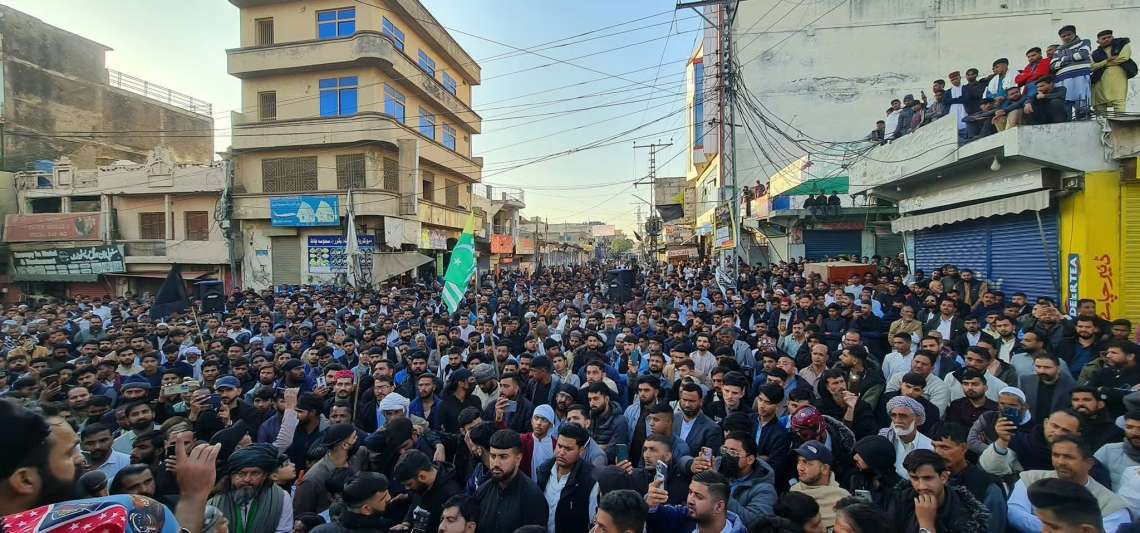
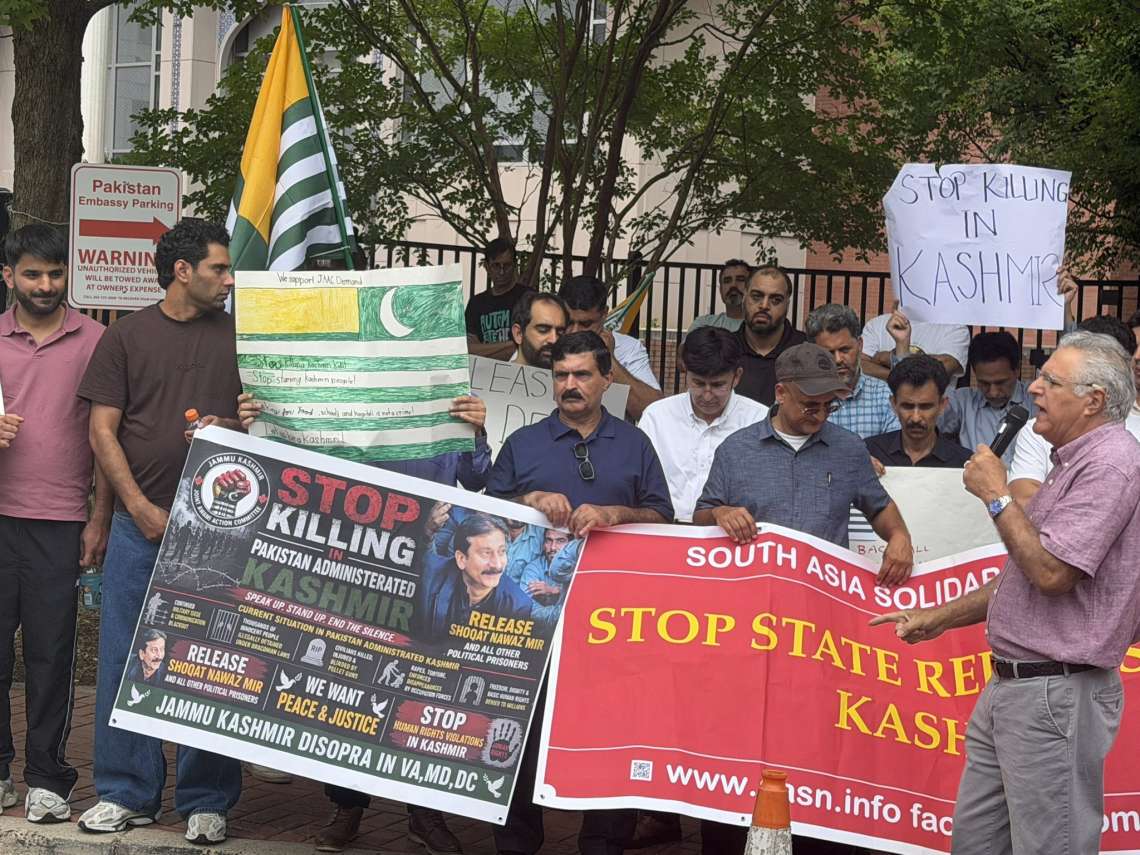
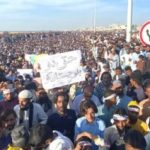
Pakistan occupied Jammu and Kashmir is undergoing a serious political and humanitarian crisis. The latest protests have drawn attention because they are not driven by a single issue, but by a broader sense of injustice, exclusion, and frustration with the Pakistani establishment. The movement is led by ordinary residents, students, local workers, and political activists mobilised by the Jammu Kashmir Joint Awami Action Committee, a grassroots group that has become the main organising force behind the agitation.
The JKJAAC, also referred to as the Joint Awami Action Committee or JAAC, is not a traditional political party in the conventional sense. It is a coalition formed to unite local grievances across districts and bring diverse communities under a single platform demanding economic relief, governance reform, and political rights. The committee has been leading demonstrations across Rawalakot, Mirpur, Muzaffarabad, Kotli, and Dadyal, organising shutdowns, marches, and sit-ins that have drawn thousands of participants. Its leadership includes local political figures and community representatives who have long criticised what they describe as Pakistan’s patronage-based control over Pakistan occupied Jammu and Kashmir.
The protesters are raising demands rooted in the everyday realities of life in the region. Their 38-point charter includes abolition of special allowances and privileges for government officials, elimination of 12 reserved legislative seats for refugees settled in Pakistan, reduction of electricity tariffs, subsidised wheat flour, free education and health facilities, and fairer distribution of royalties from hydroelectric projects built in the region. These are demands for basic economic relief and administrative accountability that any responsible government should be able to address without resorting to force.

The protesters’ anger is also directed at what they see as political marginalisation. The reserved seats controversy, in particular, has become a symbol of how external actors can influence the composition of the local assembly. The JAAC argues that these seats allow non-residents to shape governments in Pakistan occupied Jammu and Kashmir and help major Pakistani political parties maintain control. This is why the movement frames itself as a struggle for genuine representation rather than partisan politics. The protesters insist that local people should have the right to decide their own affairs without interference from Islamabad.
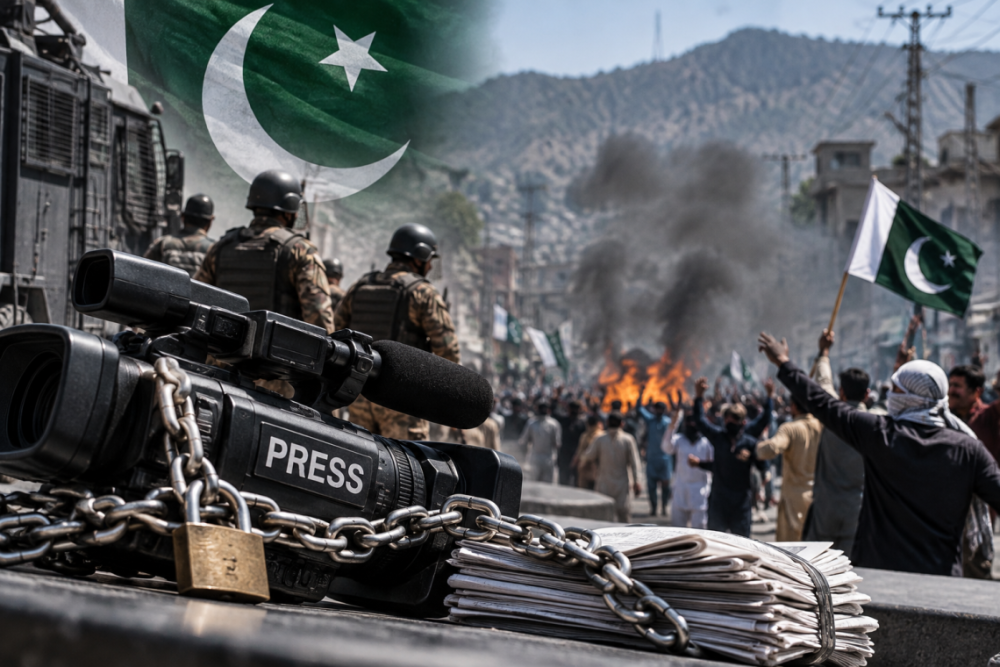
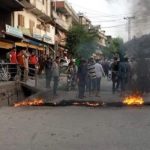
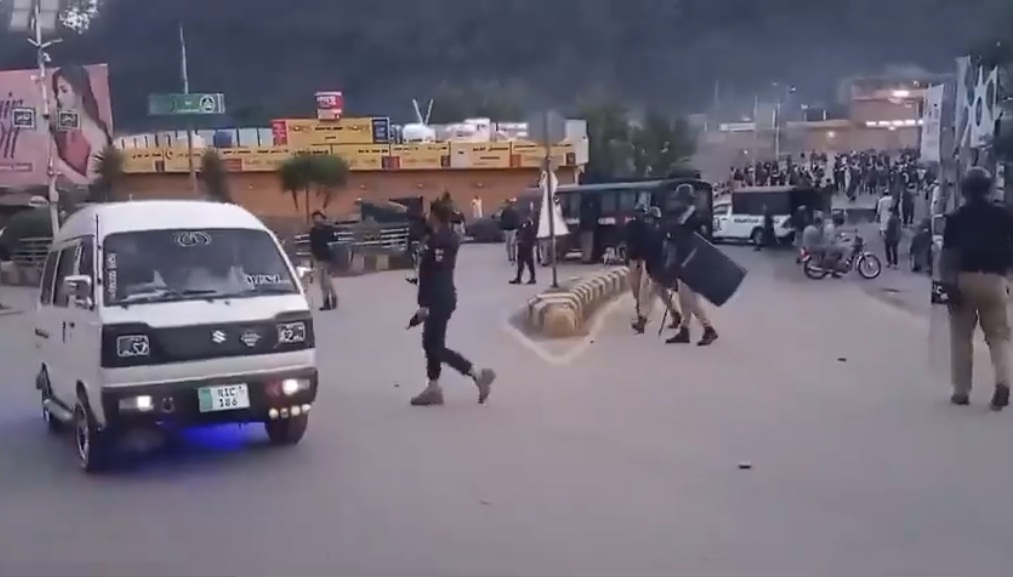
The Pakistani state’s response has been severe. Instead of opening space for dialogue, the authorities have banned the JAAC under anti-terrorism laws, termed its demonstrations as terrorism, imposed internet and mobile service blackouts, and responded to protests with police action and live ammunition. These tactics have not quelled the movement. Instead, they have reinforced the protesters’ central claim that the establishment is unwilling to listen until public pressure becomes impossible to ignore.
At least seven people were killed in recent clashes between police and JAAC supporters in Rawalakot, including four police officers and three civilians. Dozens more were injured. In earlier phases of unrest, fatalities have also accompanied the use of force, showing a repeated pattern in which social protest is met with violence, and reform arrives only after tragedy. The deaths have turned the protests from a political confrontation into a broader human tragedy. Each death adds urgency to the demand for accountability, because it is now impossible to discuss the situation only in terms of slogans or public order.
The protests also reflect frustration with the Muzaffarabad Agreement, a 32-point commitment that the JAAC claims was never properly implemented. The committee announced an indefinite strike from June 9, accusing authorities of failing to honor promises on electricity, power grid sharing, royalty distribution, and elimination of elitism. This is why the movement continues even after talks have collapsed. The protesters see the agreement as a betrayal and insist that their demands are legitimate political rights, not acts of terrorism.
The brutal suppression of the protests has exposed the fragility of the political arrangement in Pakistan occupied Jammu and Kashmir. A government confident in its legitimacy does not need to answer every grievance with tear gas, detentions, or live ammunition. It can afford dialogue, restraint, and reform. The fact that the authorities have chosen otherwise suggests they fear the political implications of the protesters’ demands.
The events in Pakistan occupied Jammu and Kashmir deserve close attention because they reflect unresolved grievances met with repression rather than reform. The protesters have put forward demands that are rooted in daily realities and long-term political frustrations. Pakistan occupied Jammu and Kashmir is now witnessing the consequences of accumulated neglect. The deaths that have occurred must not be treated as an unfortunate footnote. They are the clearest evidence yet that the crisis is real, the grievances are genuine, and the cost of repression is already far too high.